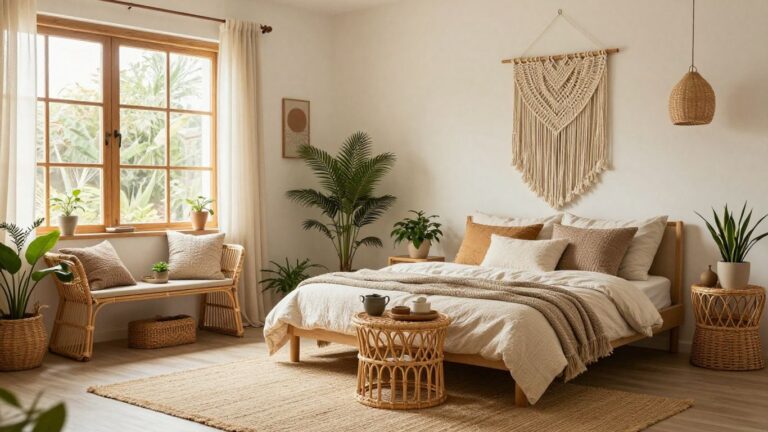
How to Mix and Match Textures in Home Design
Some homes instantly feel welcoming and chic, with layers that make every corner interesting. The secret often lies in texture. Texture in design goes far beyond fabrics — it’s the art of mixing materials, finishes, and layers to create depth and warmth. When done thoughtfully, textures add richness, elevate style, and make your home feel Pinterest-worthy without looking forced.
Think about the cozy vibe of a knit throw on a sleek sofa, the shine of a brass lamp against a rough wooden table, or the softness of velvet paired with linen. These combinations make spaces not only look more appealing but also feel more inviting. In this blog, we’ll walk you through how to confidently mix and match textures in home design so your space feels curated, balanced, and effortlessly stylish.
Why Texture Matters in Interior Design
Textures are the silent storytellers of a home. They influence mood and comfort in subtle but powerful ways. A space filled with flat surfaces can feel lifeless, while a room layered with tactile variety feels alive and cozy. Texture prevents spaces from looking sterile, adding contrast and warmth without overwhelming the eye.
In practical terms, layering home textures adds dimension and helps highlight focal points. For example, pairing a matte wall with glossy accents can immediately add visual interest. The right mix keeps your home from feeling one-note and makes it both stylish and comfortable.
Understanding the Types of Textures
To master mixing textures, it’s important to understand the different types. Hard textures, like wood, stone, and glass, add structure and strength. Soft textures, like cotton, velvet, and wool, bring comfort and coziness. Natural textures, such as rattan or linen, ground a room with an organic feel, while man-made textures like metal or acrylic provide modern sleekness.
Finishes also play a role — matte surfaces absorb light and feel subtle, while glossy finishes reflect light, creating a polished and vibrant effect. Mixing across these categories is what brings balance and personality to your home.
The Rule of Contrast — Balance Is Key
The most effective way to mix textures in interior design is by pairing opposites. Rough with smooth, matte with shiny, soft with structured — these contrasts create balance. Imagine the cozy weight of a chunky knit draped across a smooth leather sofa or glossy ceramic vases placed on a raw wooden shelf. The tension between differences is what makes the design compelling.
The key is moderation. Too many bold contrasts can overwhelm, but a few thoughtful pairings anchor a room and make it feel intentional.
Start with a Neutral Base
When layering textures, it’s easier to build from a neutral foundation. Think walls, floors, and large furniture pieces in shades of white, grey, beige, or muted tones. These create a calm backdrop, allowing textures to shine without competing with loud colors or patterns.
A neutral base also makes it easier to update your home over time — swapping in new throws, rugs, or accent decor without clashing with existing elements.
Layering Textiles for Depth
Textiles are one of the simplest and most impactful ways to layer texture. Rugs, curtains, cushions, and throws can instantly change the vibe of a room. By mixing fabrics like linen, cotton, velvet, and wool, you create a space that feels multidimensional and cozy.
For example, pair a linen sofa with velvet cushions, or layer a jute rug under a patterned wool rug for extra depth. These combinations create a sense of abundance without needing expensive decor. This technique of layering fabrics in interior design is timeless and adaptable for every season.
Natural Elements for Warmth
Nature has a way of grounding spaces and making them feel inviting. Incorporating wood, stone, rattan, and jute instantly adds warmth. A wooden coffee table, a rattan chair, or a stone vase can transform a flat room into one that feels alive. Adding greenery — whether houseplants, dried pampas grass, or small terracotta planters — brings organic softness into the mix.
Even in minimalist spaces, one or two natural textures prevent the room from feeling cold and impersonal.
Metals and Glass for Modern Edge
To balance cozy natural textures, introduce sleek elements like metals and glass. A brass light fixture, chrome side table, or glass vase can modernize a rustic space and add sophistication. The reflective surfaces also enhance light in the room, making it feel brighter and more dynamic.
For example, pair a rustic wooden dining table with modern metal chairs or glass pendant lighting. This balance of warm and cool creates visual harmony.
Playing with Patterns and Finishes
Patterns and finishes also count as texture. Subtle herringbone in wooden floors, geometric prints on cushions, or woven wallpaper can add layers without overwhelming. Similarly, finishes like glossy ceramics paired with matte pottery bring quiet variation that elevates a space.
The trick is subtlety — a few patterned or finished elements styled thoughtfully make your space look curated and designer-inspired.
Small Details That Elevate Texture
Texture isn’t just about big pieces. Small decor details often make the biggest difference. Woven baskets, ceramic trays, fabric lampshades, or brass knobs all contribute to the tactile experience of your home. These details are inexpensive but impactful, adding layers that make a space feel complete.
For instance, swapping out generic handles for stylish brass or matte black knobs can instantly elevate the look of cabinets without a full renovation.
Common Mistakes to Avoid
While mixing textures is fun, a few mistakes can make it look messy instead of chic. Avoid using too many bold textures at once — a shaggy rug, heavy curtains, and patterned wallpaper can overwhelm. Scale also matters: tiny textures like a small knitted pillow may get lost in a large living room unless balanced with larger tactile elements.
Finally, remember that layering is different from cluttering. Each texture should feel intentional, not like a random addition.
Conclusion
Texture is what transforms a space from flat to fabulous. It’s the secret ingredient that makes your home feel rich, warm, and visually layered. By combining natural and man-made materials, layering fabrics, balancing contrasts, and paying attention to small details, you can create a space that feels both curated and personal.
Don’t be afraid to experiment — start with simple pairings like wood and glass, linen and velvet, or matte and glossy finishes. Over time, you’ll find your own rhythm in mixing textures. Remember, it’s less about following strict rules and more about creating balance that feels good to you.
Your home can become more than just a place to live. With the right mix of textures, it can be a sanctuary of warmth and style — a reflection of your personality and creativity.