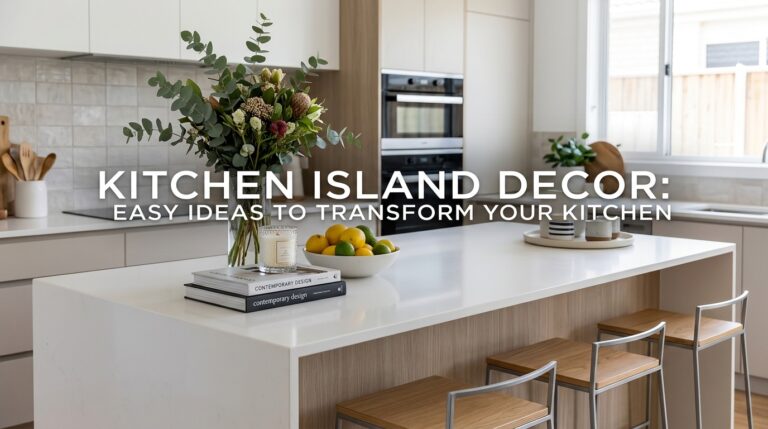
20 Timeless Kitchen Paint Colors to Transform Your Space
Introduction
If your kitchen feels dated or uninspiring, you might think a full renovation is the only answer. In reality, one of the most affordable ways to refresh the room is with a new coat of paint. The right color can brighten a dark kitchen, make a compact space feel larger, or add warmth without replacing cabinets or countertops. That’s why choosing timeless kitchen paint colors to transform your space is such a smart place to start.
Classic paint colors never go out of style. They work with changing decor trends, natural wood finishes, stone countertops, and both modern and farmhouse kitchens. Whether you’re updating cabinets, walls, or an island, the right shade creates a welcoming backdrop for everyday life. In this guide, you’ll discover twenty beautiful paint colors that remain stylish year after year. You’ll also find practical decorating tips, budget friendly ideas, and cozy interior inspiration that will help you create a kitchen you’ll continue to love long after today’s trends have faded.
1. Warm White That Brightens Every Corner
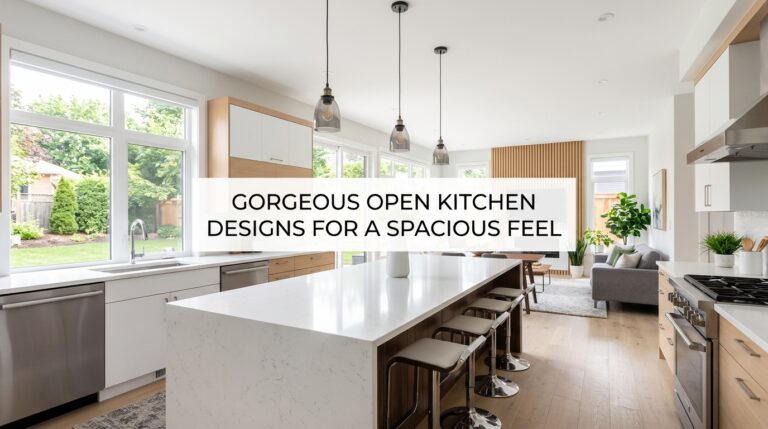
Warm white remains one of the most loved kitchen paint colors because it instantly makes a room feel open and welcoming. Picture soft white cabinets catching the morning sunlight, paired with natural oak shelves, woven baskets, creamy stone countertops, and fresh greenery. Instead of feeling cold, the space has a gentle warmth that invites family and friends to gather. The light reflects beautifully across every surface, helping even small kitchens appear more spacious.
Choose a warm white with subtle cream or beige undertones rather than a bright blue based white. Quality interior paint generally costs between $40 and $80 per gallon. In my experience, the biggest mistake here is choosing a white without testing it in your kitchen’s natural light. Paint samples on different walls before making your final decision.
2. Soft Greige for a Cozy and Elegant Kitchen
Greige combines the warmth of beige with the softness of gray, creating a relaxed atmosphere that never feels overwhelming. Imagine muted greige cabinets surrounded by white subway tile, brushed brass hardware, natural wood stools, and linen kitchen towels. The balanced color works beautifully in both traditional and modern kitchens while giving the room a calm, welcoming character.
Greige pairs well with matte black fixtures, oak flooring, and creamy countertops. Most cabinet painting projects cost between $200 and $800 if you do the work yourself. What I personally love about this color is that it complements changing decor styles without needing another repaint. Avoid selecting a shade that’s too dark if your kitchen receives limited natural light.
3. Timeless Kitchen Paint Colors with Sage Green
Sage green brings a gentle connection to nature while keeping the kitchen feeling bright and peaceful. Picture soft green cabinets paired with white marble countertops, warm wood shelving, handmade pottery, and potted herbs growing near the window. The muted color creates a comforting atmosphere that’s equally beautiful during sunny mornings and cozy evenings.
Sage green works especially well with brass hardware and natural wood accents. Cabinet paint and supplies usually cost between $100 and $400 depending on the project size. A lot of people skip testing green shades in different lighting, but sunlight can dramatically change the appearance. Always compare samples before painting the entire kitchen.
4. Classic Cream for Lasting Warmth
Cream offers more warmth than bright white while keeping the room light and inviting. Imagine creamy cabinets surrounded by butcher block countertops, woven pendant lights, natural linen curtains, and vintage inspired accessories. The gentle color softens the entire kitchen and creates a welcoming environment where every detail feels comfortable instead of formal.
Cream paint pairs beautifully with warm wood flooring, black hardware, and soft beige textiles. Most premium paints cost between $45 and $90 per gallon. I always recommend this when someone wants a noticeable change without making the kitchen feel dramatically different. Avoid pairing cream with cool gray countertops unless the undertones complement each other.
5. Rich Navy Blue for a Bold Statement
Navy blue adds depth while remaining timeless enough to stay beautiful for years. Picture deep navy lower cabinets contrasted by white upper cabinets, brushed gold hardware, light quartz countertops, and warm wood flooring. The darker color grounds the room while brighter surfaces keep the kitchen feeling open and balanced.
Navy works especially well on kitchen islands or lower cabinetry if you don’t want to paint the entire kitchen. Expect to spend between $50 and $120 for quality paint and supplies for smaller projects. What I personally love about navy is that it feels sophisticated without looking trendy. In my experience, balancing dark paint with lighter walls and plenty of natural light keeps the room from feeling smaller.
6. Gentle Light Gray for Everyday Style
Light gray has remained popular because it creates a clean background without feeling stark. Imagine soft gray cabinets paired with white quartz countertops, glossy subway tile, warm oak flooring, and woven baskets tucked beneath an open shelf. The gentle color reflects natural light while allowing wood textures and greenery to become the focal point. The kitchen feels bright, calm, and welcoming from morning coffee to evening dinners.
Choose a gray with warm undertones to keep the room comfortable rather than chilly. Cabinet paint and supplies typically cost between $100 and $400, depending on the project size. A lot of people choose a cool gray without testing it first, but artificial lighting can make it appear blue. Always paint sample boards and view them throughout the day before making your final choice.
7. Timeless Kitchen Paint Colors Using Soft Beige
Soft beige creates a welcoming atmosphere that works beautifully in both farmhouse and modern homes. Picture beige cabinets beside creamy stone countertops, linen café curtains, handmade pottery, and natural wood open shelves. The subtle warmth makes the kitchen feel lived in and inviting while giving decorative pieces room to shine.
Pair beige with matte black hardware for contrast or brushed brass for a softer finish. Most quality paints cost between $40 and $80 per gallon. I always recommend this color when someone wants a fresh update without starting over. In my experience, adding white trim around beige walls helps the entire room feel brighter and more defined.
8. Earthy Olive Green for Natural Charm
Olive green brings richness and warmth while keeping the kitchen connected to nature. Imagine deep olive cabinets paired with walnut shelving, creamy countertops, brass hardware, and fresh eucalyptus arranged in a ceramic vase. The earthy tones create a relaxed atmosphere that’s cozy during every season and looks especially beautiful with natural sunlight.
Olive green works well on lower cabinets, islands, or full cabinetry if the kitchen receives plenty of light. Expect to spend between $100 and $500 for a cabinet painting project. What I personally love about this shade is that it hides everyday wear better than lighter colors. Avoid pairing it with dark flooring in small kitchens because the room can feel heavier.
9. Dusty Blue for a Relaxed Farmhouse Feel
Dusty blue offers gentle color without overwhelming the space. Picture muted blue cabinets surrounded by white shiplap walls, butcher block countertops, woven pendant lights, and vintage inspired accessories. The soft blue feels fresh and calming while giving the kitchen a welcoming farmhouse personality that never feels overly trendy.
Pair dusty blue with warm wood finishes and creamy whites for balance. Painting cabinets usually costs between $150 and $500 if you complete the work yourself. A lot of people skip changing cabinet hardware after painting, but new knobs and pulls make the update feel complete. Choose warm metal finishes for extra character.
10. Charcoal Accent Cabinets for Contrast
Charcoal gray creates beautiful contrast when used thoughtfully. Imagine a charcoal kitchen island surrounded by white cabinets, light quartz countertops, woven bar stools, and large windows filling the room with sunlight. The darker color anchors the space while lighter finishes keep everything feeling open and balanced.
Instead of painting every cabinet charcoal, use it as an accent on an island or lower cabinets. Small painting projects generally cost between $50 and $150. In my experience, the biggest mistake here is pairing charcoal with poor lighting. Bright walls, reflective surfaces, and warm lighting help maintain an airy atmosphere while allowing the darker paint to stand out.
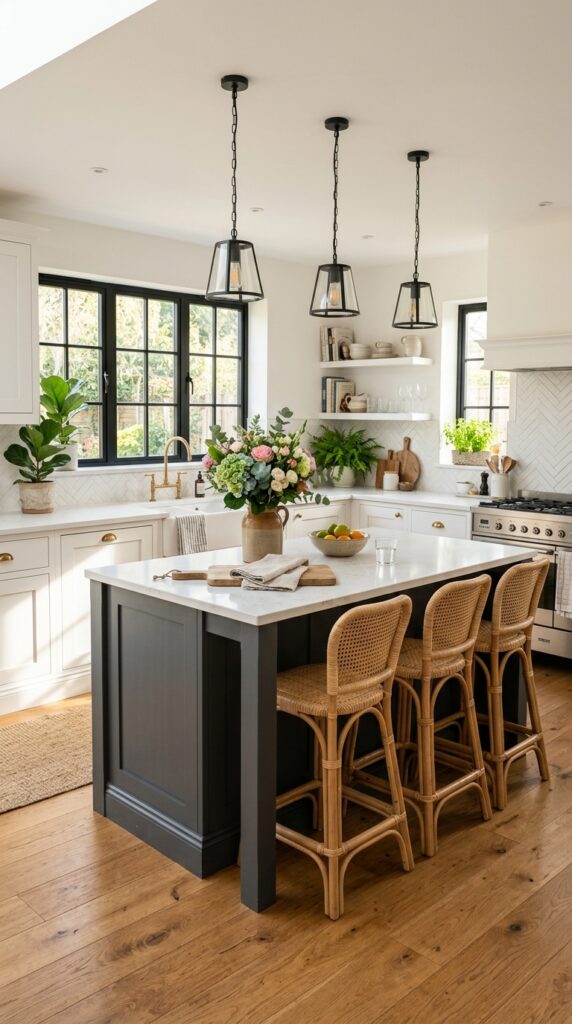
11. Soft Taupe for a Warm and Welcoming Kitchen
Taupe brings together the comfort of beige and the elegance of gray, making it one of the most versatile kitchen paint colors. Picture soft taupe cabinets paired with creamy white walls, light quartz countertops, oak flooring, and woven storage baskets. The gentle neutral tones create a relaxing atmosphere that feels timeless without looking plain. Sunlight bouncing across the cabinets adds warmth while allowing decorative accents to stand out naturally.
Taupe works beautifully with black hardware, brushed brass fixtures, or matte bronze finishes. Most cabinet painting projects cost between $150 and $500 if completed as a DIY update. What I personally love about this shade is how easily it adapts to changing decor styles over the years. Avoid pairing taupe with cool blue lighting because it can wash out the warm undertones.
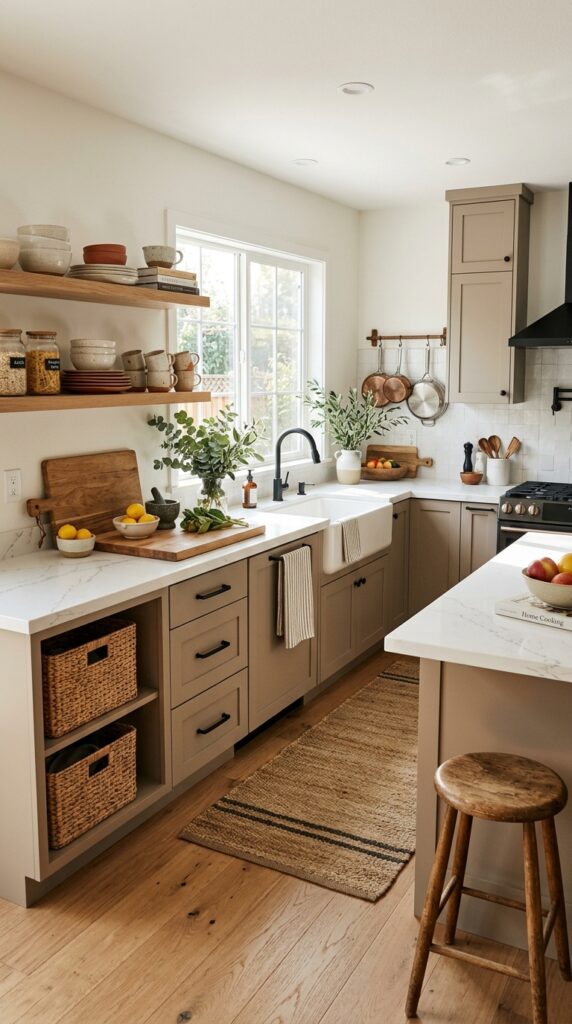
12. Timeless Kitchen Paint Colors with Mushroom Gray
Mushroom gray offers soft earthy warmth that feels calm without becoming dull. Imagine mushroom gray cabinets surrounded by white subway tile, warm walnut shelves, handmade pottery, and linen kitchen towels. The color changes gently throughout the day, creating depth while remaining light enough for both large and compact kitchens.
Choose mushroom gray if you want something softer than charcoal but richer than beige. Premium paint usually costs between $45 and $90 per gallon. A lot of people overlook this color because it seems understated, but it creates one of the most welcoming kitchens when paired with natural textures. Sample the paint under morning and evening light before committing.
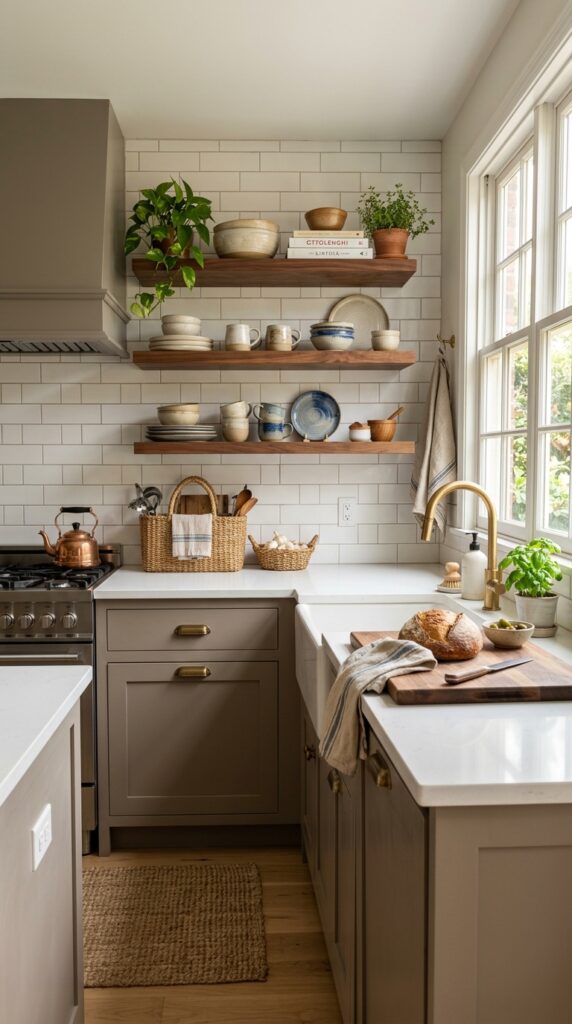
13. Crisp White with Natural Wood Accents
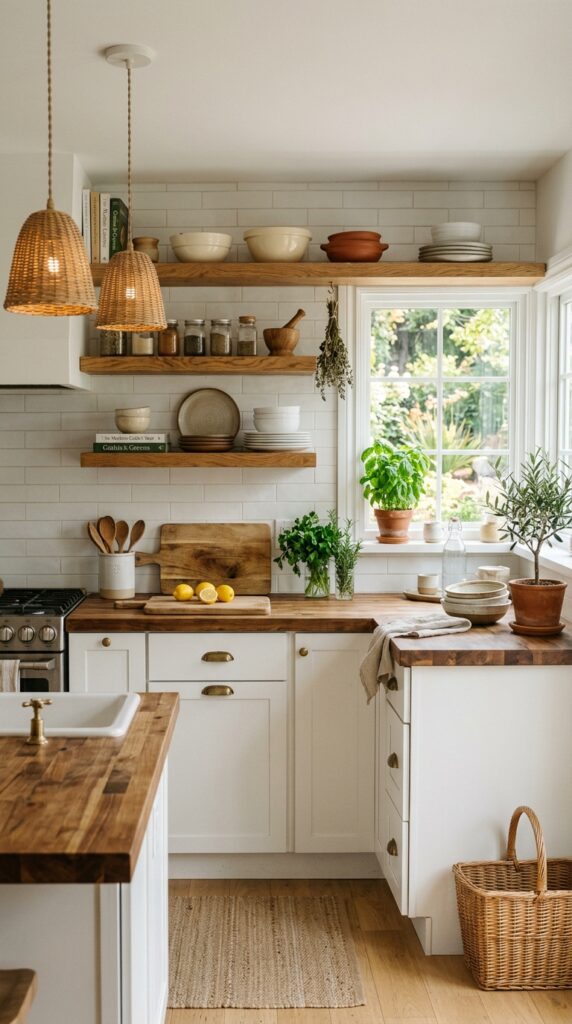
Crisp white creates a bright backdrop that allows natural materials to shine. Imagine white cabinets framed by warm butcher block countertops, floating oak shelves, woven pendant lights, and fresh herbs growing by the window. The combination feels clean yet comfortable because the wood balances the brightness of the paint.
This color works well in kitchens that receive plenty of natural light. Expect to spend between $40 and $80 per gallon for quality paint. I always recommend adding warm wood elements when using crisp white because they prevent the room from feeling sterile. Small updates such as wooden cutting boards and woven baskets make a noticeable difference without stretching your budget.
14. Gentle Pale Blue for a Fresh Look
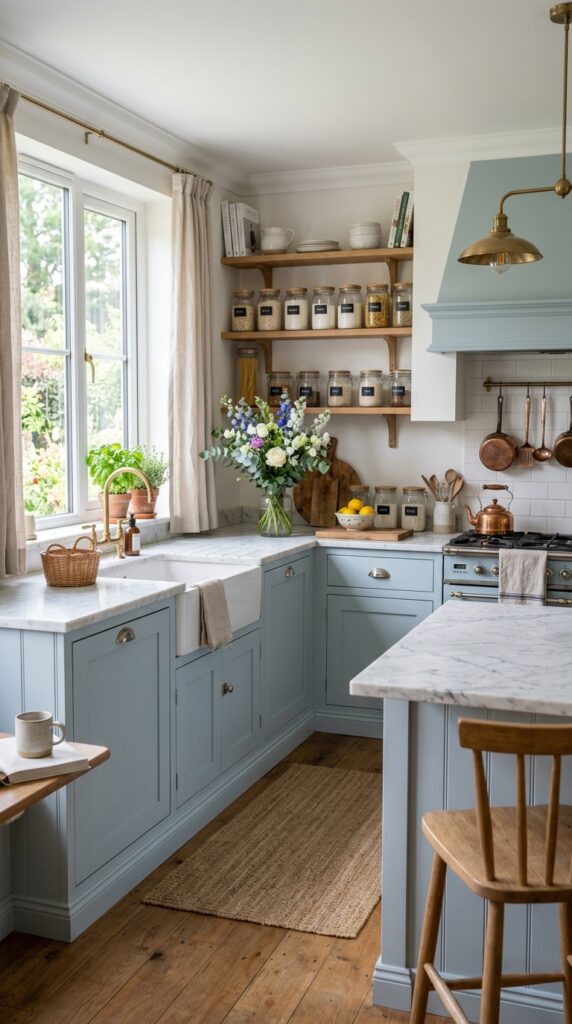
Pale blue creates a peaceful kitchen that feels bright and airy throughout the year. Picture soft blue cabinets paired with white marble countertops, polished nickel hardware, glass jars filled with pantry staples, and linen curtains moving gently in the breeze. The subtle color brings freshness without dominating the room, making it suitable for both traditional and modern homes.
Pair pale blue with white trim and light wood flooring for a balanced appearance. Cabinet paint typically costs between $120 and $400 for an average kitchen. In my experience, the biggest mistake here is choosing a blue that’s too vibrant. Softer shades remain timeless and work better with changing home decor ideas over time.
15. Deep Forest Green for Lasting Character
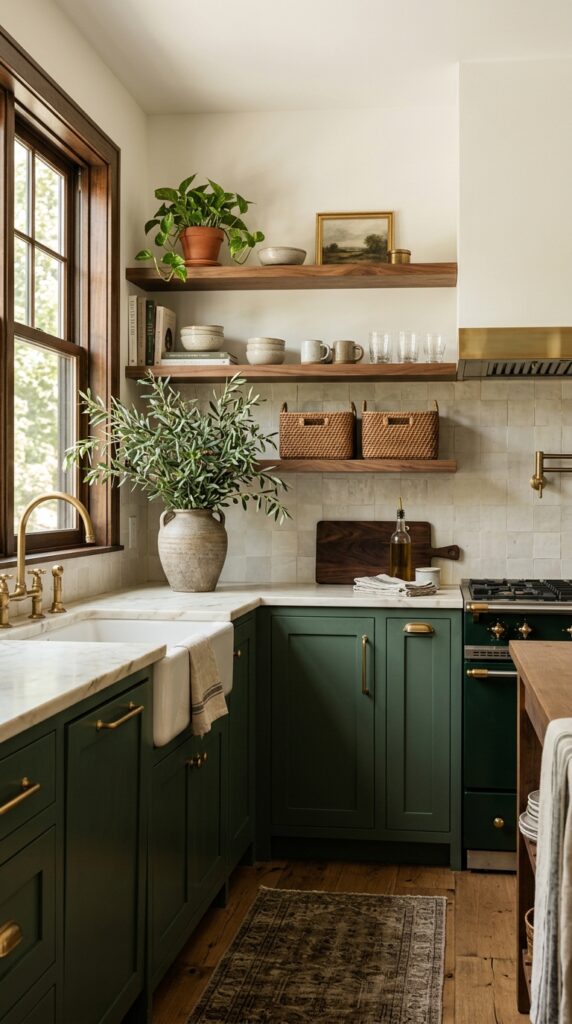
Forest green creates a rich, welcoming atmosphere while maintaining timeless appeal. Imagine deep green cabinets paired with creamy stone countertops, brass hardware, walnut shelves, woven baskets, and a large ceramic vase filled with olive branches. The dramatic color feels grounded and elegant, while natural textures keep the room warm instead of formal.
Forest green works especially well in kitchens with generous natural light. Most cabinet painting projects range from $200 to $600, depending on the size of the kitchen. What I personally love about this color is that it looks beautiful in every season. Avoid using too many other dark finishes nearby so the room continues to feel open and inviting.
16. Warm Sand for a Bright and Relaxed Kitchen
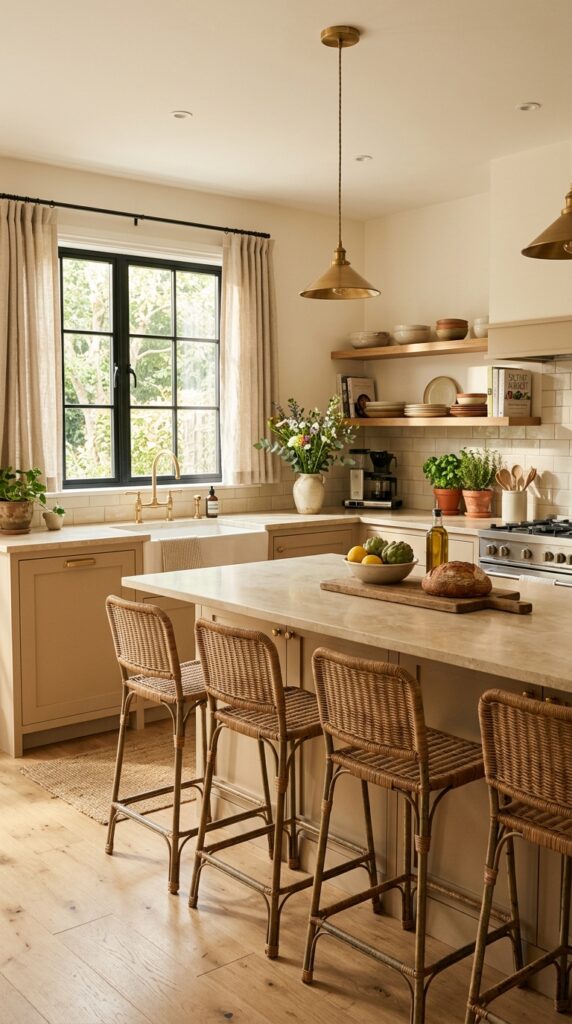
Warm sand is a beautiful neutral that brings softness without making the kitchen feel plain. Imagine sandy beige cabinets paired with creamy white walls, light oak flooring, woven bar stools, and textured linen curtains. The subtle warmth reflects natural light and creates a welcoming atmosphere that feels comfortable from morning coffee to family dinners. The color also works well with both modern home decor trends and traditional farmhouse details.
Warm sand pairs beautifully with brushed brass hardware and natural stone countertops. Most interior paints cost between $40 and $80 per gallon, making this an affordable decor update. I always recommend adding a few black accents, such as cabinet pulls or pendant lights, to create gentle contrast. Avoid pairing warm sand with cool gray flooring because the undertones may compete.
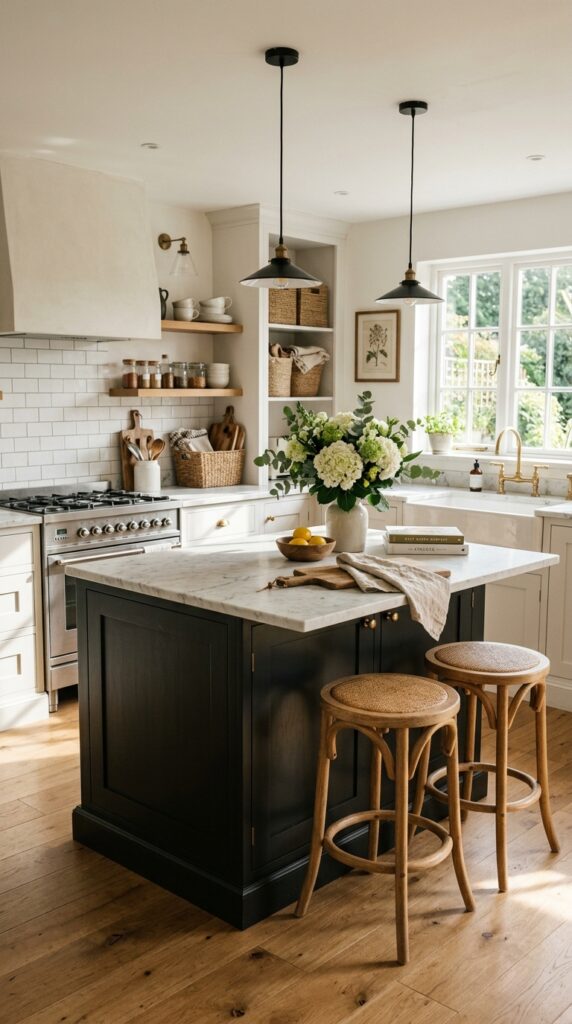
17. Timeless Kitchen Paint Colors with Soft Black
Soft black creates dramatic contrast while remaining classic when used thoughtfully. Picture a black kitchen island surrounded by white shaker cabinets, marble countertops, warm wood stools, and oversized windows flooding the room with sunlight. The darker color anchors the design while lighter finishes maintain an open and airy feel.
Instead of painting every cabinet black, consider using it on the island or lower cabinetry. A smaller painting project usually costs between $50 and $180. A lot of people assume black makes a room feel smaller, but balanced with light walls and reflective surfaces, it adds depth rather than heaviness. Matte finishes also help soften the overall appearance.
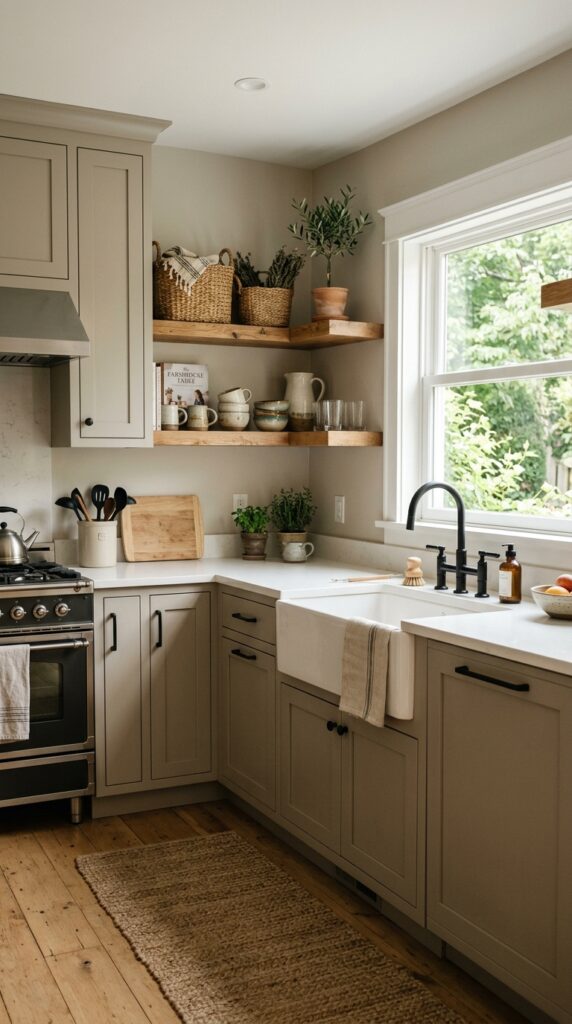
18. Warm Greige for Everyday Living
Warm greige continues to be a favorite because it feels both cozy and fresh. Imagine greige cabinets beside creamy quartz countertops, oak floating shelves, woven storage baskets, and handmade pottery displayed neatly on open shelving. The balanced neutral tones create a kitchen that feels welcoming without relying on passing design trends.
Greige complements nearly every hardware finish, from matte black to antique brass. Cabinet painting projects generally cost between $150 and $500. What I personally love about this shade is that it works with almost any decorating style, making future updates much easier. Test several greige samples because undertones vary more than most people expect.
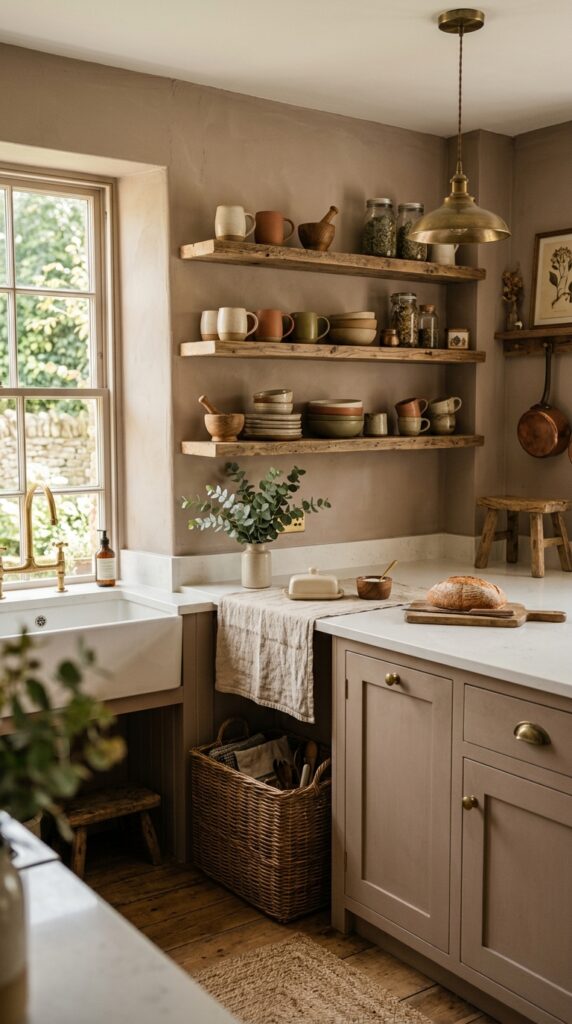
19. Muted Clay for Rustic Warmth
Muted clay introduces earthy character while keeping the kitchen calm and inviting. Picture soft clay colored cabinets paired with white walls, reclaimed wood shelves, handmade ceramic mugs, woven baskets, and textured linen runners. The rich natural tones create a cozy atmosphere that feels collected over time rather than newly decorated.
Clay shades pair especially well with brass fixtures and natural wood finishes. Expect paint costs between $45 and $90 per gallon. In my experience, the biggest mistake here is using too many warm colors together. Balance the earthy paint with white countertops or light backsplashes to keep the room bright and spacious.
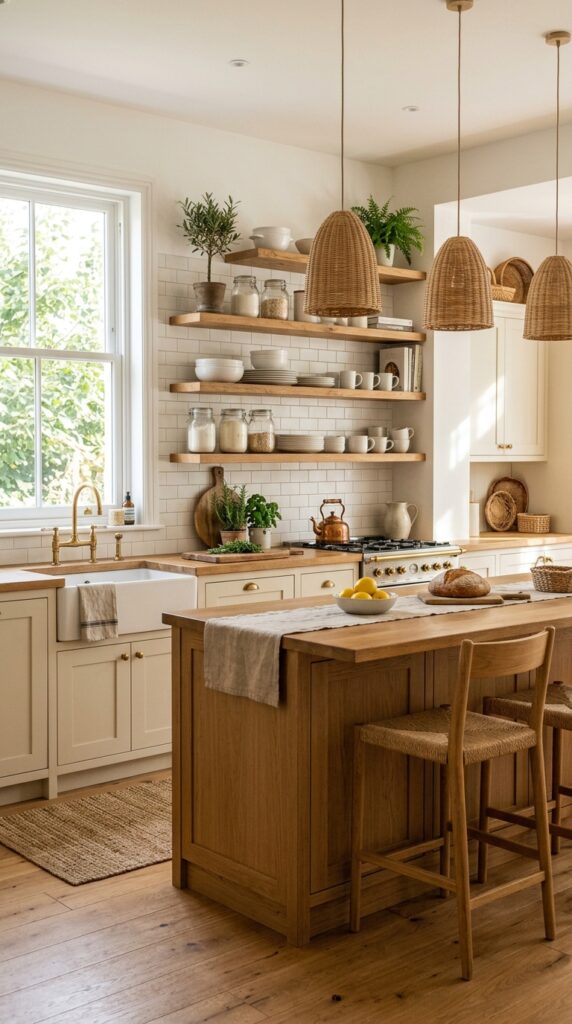
20. Gentle Ivory That Never Goes Out of Style
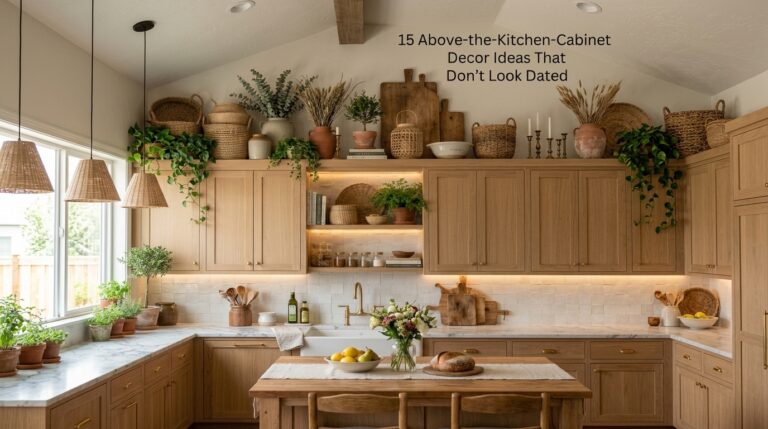
Ivory offers timeless beauty with just enough warmth to make a kitchen feel welcoming. Imagine ivory cabinets glowing in soft afternoon light, paired with natural wood countertops, woven pendant lights, fresh greenery, and white ceramic dinnerware displayed on floating shelves. The room feels calm, bright, and comfortable without appearing overly formal.
Ivory works beautifully with nearly every decorating style and complements both modern and farmhouse kitchens. High quality paint typically costs between $40 and $80 per gallon. A lot of people skip updating accessories after painting, but replacing old textiles, trays, or cabinet hardware completes the fresh look without spending much more.
Conclusion
Refreshing your kitchen doesn’t always require expensive renovations or brand new cabinets. Sometimes, the biggest difference comes from choosing the right paint color. These 20 timeless kitchen paint colors to transform your space prove that classic shades can make a kitchen feel brighter, warmer, and more inviting while staying stylish for many years.
If you’re unsure where to begin, start with one small project. Painting an island, updating lower cabinets, or refreshing the walls can completely change the atmosphere without stretching your budget. Once you’ve finished, you can add woven baskets, natural wood accents, fresh greenery, or simple decorative pieces to bring everything together.
The best kitchens aren’t built around passing trends. They reflect your lifestyle and create a welcoming place where family and friends naturally gather. Take your time, test a few samples, and choose the color that feels right in your home. Which of these timeless kitchen paint colors would you try first? I’d love to hear what you’re planning.
FAQs
What is the most timeless kitchen paint color?
Warm white continues to be one of the most timeless choices because it reflects light, works with every decorating style, and complements natural wood, stone, and metal finishes.
Which kitchen paint colors make a small kitchen look bigger?
Light shades such as warm white, ivory, cream, pale gray, soft beige, and sage green help reflect natural light and create the illusion of more space.
Should kitchen cabinets and walls be the same color?
They don’t have to match exactly. Using complementary shades often creates more depth while keeping the room balanced. Lighter walls with slightly darker cabinets remain a popular combination.
Are dark kitchen paint colors still timeless?
Yes. Navy blue, forest green, charcoal, and soft black continue to be classic choices, especially when balanced with white walls, light countertops, and plenty of natural light.
How often should I repaint my kitchen?
Most kitchens benefit from repainting every seven to ten years, depending on daily wear, moisture, and changing personal style. High quality paint and proper preparation help the finish last longer.