
A Complete Guide to Choosing Bathroom Light Fixtures
Introduction
Choosing bathroom lighting can feel surprisingly difficult. You want fixtures that look beautiful, provide enough light for everyday routines, and fit your home’s style without going over budget. Many bathrooms end up feeling too dim, too harsh, or simply unfinished because the lighting wasn’t planned carefully. That’s why A Complete Guide to Choosing Bathroom Light Fixtures focuses on practical ideas that help you make confident decisions.
The right lighting does much more than brighten the room. It highlights your vanity, creates a relaxing atmosphere for evening baths, and makes everyday tasks like shaving or applying makeup much easier. Whether your style leans modern, farmhouse, Spanish-inspired, or classic, the right fixture can tie the entire room together.
In this guide, you’ll find ten easy-to-follow tips that cover everything from fixture placement to choosing finishes, bulb color, and budget-friendly updates. These home decor ideas will help you create a bathroom that feels warm, functional, and stylish without requiring a complete renovation.
1. A Complete Guide to Choosing Bathroom Light Fixtures Starts with Layered Lighting
One ceiling light rarely provides enough illumination for an entire bathroom. A well-designed space uses several light sources that work together to eliminate dark corners while creating a warm, welcoming atmosphere. Soft wall sconces, overhead fixtures, and accent lighting each serve a different purpose, making the room feel balanced throughout the day.
Start with three layers whenever possible. Install a ceiling fixture for overall brightness, vanity lighting for daily grooming, and a small accent light for added warmth. Depending on your choices, layered lighting can cost between $150 and $500. In my experience, the biggest mistake is relying on a single overhead fixture, which often creates harsh shadows around the face.
2. Choose Vanity Lighting That Flatters Your Face
The vanity is where good lighting matters most. Bright but soft illumination helps with shaving, skincare, and makeup while creating a more comfortable experience every morning. Fixtures placed on each side of the mirror provide even light that reduces shadows far better than a single light mounted above.
Install sconces at about eye level and choose frosted glass shades to soften the glow. If side mounting isn’t possible, use a wide vanity light centered above the mirror. Quality vanity fixtures generally cost between $80 and $250. What I personally love about side sconces is how they make the bathroom feel more like a boutique hotel while also improving everyday function.
3. A Complete Guide to Choosing Bathroom Light Fixtures Recommends Warm White Bulbs
The bulb you choose is just as important as the fixture itself. Warm white light creates a comfortable atmosphere that flatters skin tones and complements natural materials like wood, stone, and linen. Bright blue-toned bulbs may seem practical, but they often make bathrooms feel cold and clinical.
Choose LED bulbs with a color temperature between 2700K and 3000K for most residential bathrooms. They provide pleasant lighting while remaining energy efficient and long lasting. LED bulbs typically cost between $10 and $30 for a multi-pack. A lot of people spend hundreds on beautiful fixtures but overlook the bulb color, which has a huge impact on the final look.
4. Match Your Fixture Finish with the Rest of the Room
Lighting should feel connected to the rest of the bathroom rather than standing out for the wrong reasons. Matching your light fixture finish with cabinet hardware, faucets, towel bars, or mirror frames creates a cohesive appearance that feels calm and intentional. Whether you choose matte black, brushed nickel, chrome, or aged brass, consistency helps everything work together.
Select one dominant metal finish and repeat it throughout the room. Decorative lighting fixtures generally range from $80 to $300, depending on size and material. I always recommend choosing timeless finishes instead of following short-lived trends because fixtures are rarely replaced as often as decor accessories.
5. Pick the Right Size Fixture for Your Vanity
Fixture size has a big influence on how balanced your bathroom looks. A small light above a wide vanity often feels out of place, while an oversized fixture can overwhelm a compact space. Choosing proportions that match your mirror and vanity helps the room feel visually comfortable.
As a general guideline, vanity lighting should measure around seventy five to eighty percent of your mirror’s width. Measure carefully before shopping to avoid costly returns. Most vanity lights cost between $70 and $250, depending on style and finish. A common mistake is guessing measurements instead of checking dimensions first, especially when ordering online.
5. Pick the Right Color Temperature for Everyday Comfort
One of the biggest reasons a bathroom feels cold or uninviting has nothing to do with the decor. It often comes down to the light itself. A warm white glow creates a calm, welcoming mood, while a cooler white makes cleaning, shaving, and makeup easier. The best bathrooms strike a balance between comfort and function, so the room feels pleasant whether you’re getting ready in the morning or winding down at night.
Choose bulbs between 2700K and 3000K if you want a cozy look with softer shadows. If your bathroom is mainly used for grooming, 3500K can offer a brighter, cleaner appearance without feeling harsh. In my experience, the biggest mistake here is mixing different bulb temperatures in the same room. Keep every fixture within a similar range so the lighting feels consistent. Quality LED bulbs usually cost between $8 and $30.
6. Add a Small Ceiling Fixture That Fits the Room
The ceiling fixture ties the whole bathroom together. Even if your vanity lights are beautiful, a plain builder grade ceiling light can make the room feel unfinished. A stylish flush mount or semi flush fixture adds character while spreading light across the entire space. Glass shades, linen textures, or matte metal finishes all bring personality without overwhelming a smaller bathroom.
When choosing a fixture, make sure it fits the room size. Small bathrooms often look better with fixtures around 10 to 14 inches wide, while larger spaces can handle something bigger. I always recommend matching the ceiling light finish with your faucets and cabinet hardware. That small detail helps everything feel connected. Expect to spend about $40 to $120 depending on the material and brand.
7. Use Dimmers for More Flexible Bathroom Lighting
A bright bathroom works well in the morning, but that same brightness can feel overwhelming late at night. Installing dimmer switches gives you more control over the mood without replacing any fixtures. Soft lighting creates a quieter atmosphere during evening baths, while full brightness is available whenever you need detailed grooming or cleaning.
Many modern LED fixtures are compatible with dimmer switches, so check the packaging before buying. Hiring an electrician for installation may cost a little more, but it’s often worth it if you’re updating the room anyway. A lot of people skip this step, but it makes all the difference in how comfortable the space feels throughout the day. Dimmer switches typically cost between $20 and $60, plus installation if needed.
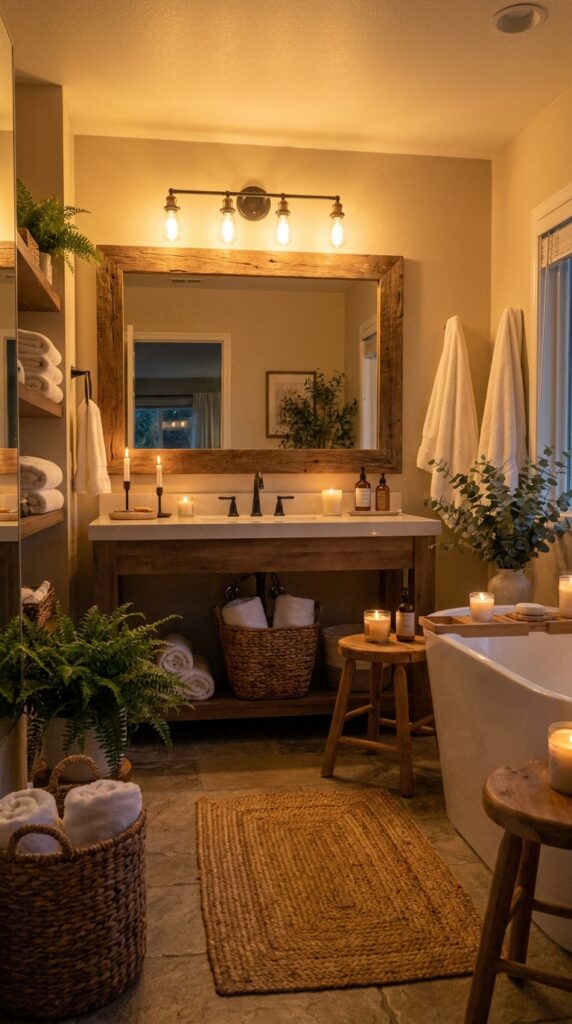
8. Coordinate Lighting with Your Bathroom Hardware
Lighting looks much more polished when it works with the rest of the room instead of standing out on its own. Matching your light fixtures to cabinet handles, faucets, towel bars, and mirror frames creates a balanced look that feels carefully planned without requiring expensive renovations. Small details often have the biggest visual impact.
If your faucet is matte black, choose black lighting instead of chrome. Brushed brass fixtures look beautiful with warm wood cabinets, while brushed nickel pairs well with cooler color palettes. What I personally love about this is how affordable it can be. Sometimes replacing just one outdated fixture changes the entire room. Depending on the finish and style, new bathroom light fixtures usually range from $50 to $150.
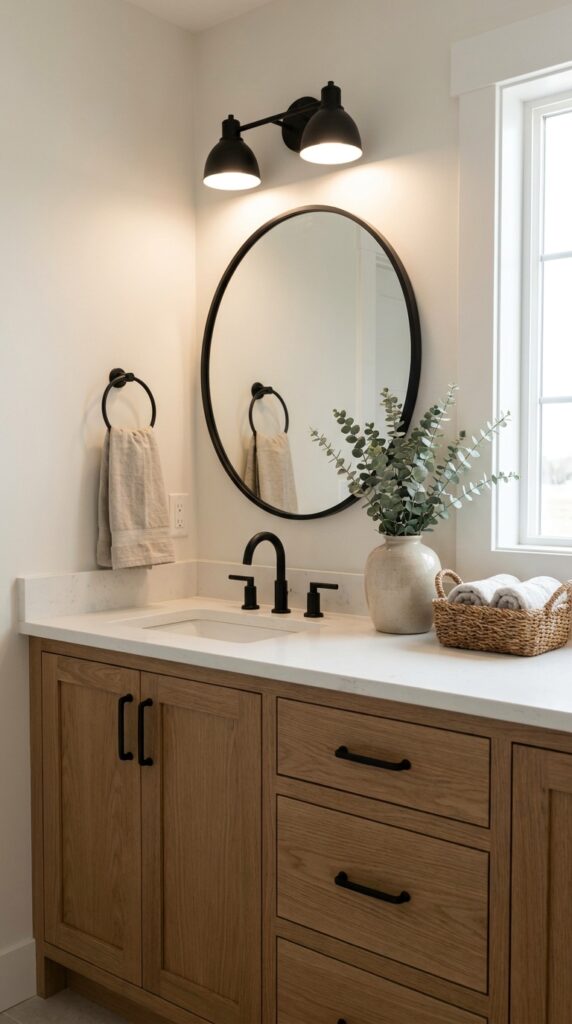
9. Layer Decorative Accent Lighting for a Cozy Feel
Bathrooms often rely on one or two bright fixtures, but adding a softer layer of light makes the room feel much more inviting. A small wall light near open shelving, LED lighting beneath a floating vanity, or a gentle glow inside a recessed niche creates depth without making the room overly bright. These details are subtle during the day but become especially beautiful in the evening.
Choose waterproof LED strip lighting for areas near moisture, and hide the strips so only the glow is visible. Soft warm lighting works best for accent features because it highlights textures like natural wood, stone tile, and woven baskets. In my experience, people often make accent lighting too bright. The goal is to create atmosphere, not compete with the main lights. Most LED accent lighting kits cost between $20 and $80.
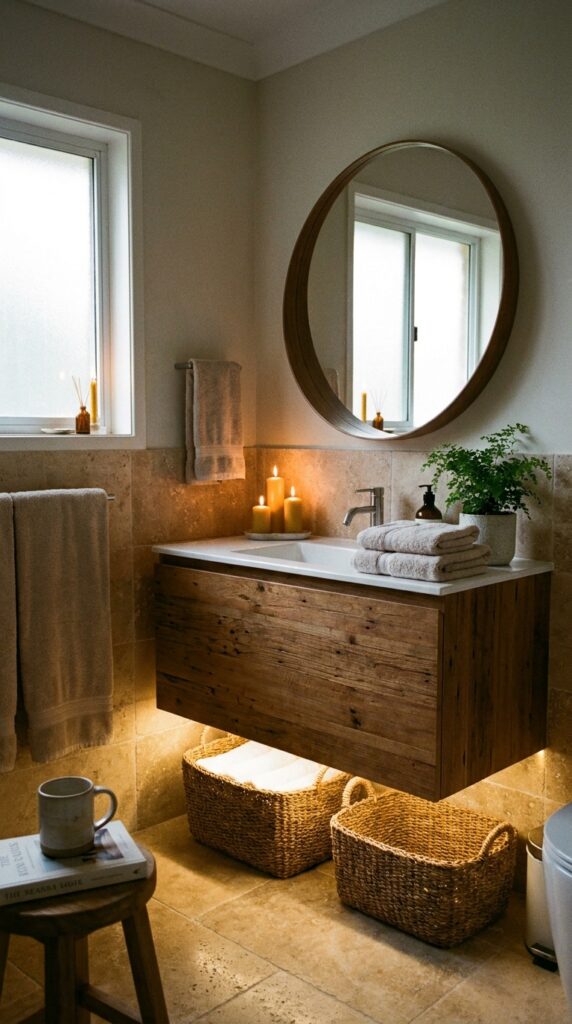
10. Choose Moisture Safe Fixtures That Last Longer
Beautiful lighting is only worth the investment if it can handle the bathroom environment. Steam and humidity can damage fixtures that aren’t designed for damp spaces, leading to rust, discoloration, or electrical problems over time. Choosing moisture rated fixtures helps your bathroom stay both attractive and safe for years.
Always check whether a fixture is rated for damp or wet locations before purchasing. Vanity lights usually need a damp rating, while fixtures installed directly above showers require a wet rating. Spending a little more now can prevent expensive replacements later. I always recommend reading the product specifications instead of choosing based only on appearance. Quality moisture resistant bathroom light fixtures generally range from $60 to $200, depending on the size and finish.
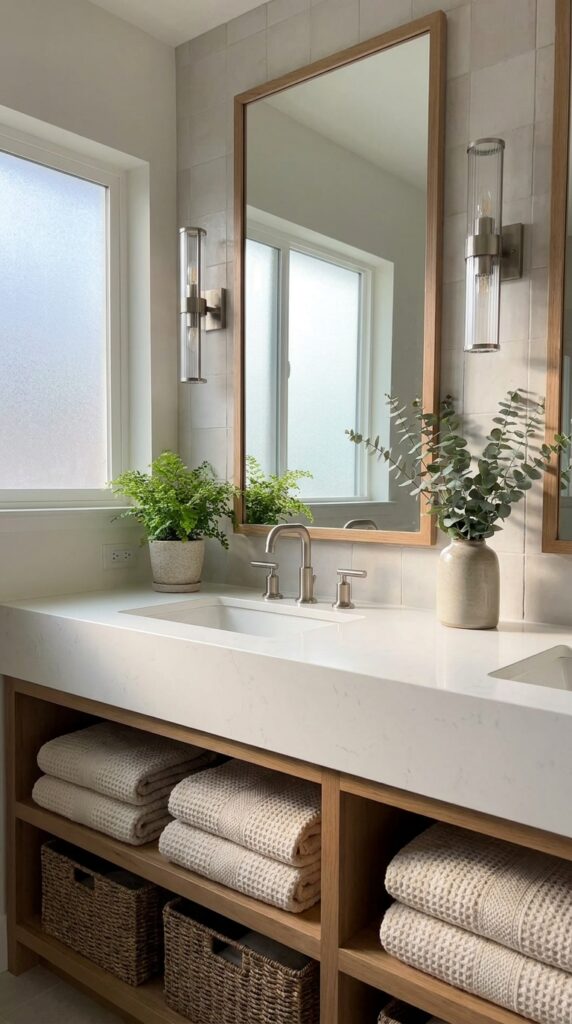
Conclusion
Choosing bathroom lighting isn’t just about brightness. The right fixtures help your space feel welcoming, practical, and comfortable every day. By thinking about placement, color temperature, layered lighting, and finishes, you can create a bathroom that works well for morning routines and relaxing evenings alike.
You don’t need a huge renovation budget to make a noticeable difference. Even replacing one outdated vanity light or adding a dimmer switch can give your bathroom a fresh new look. Start with one or two updates that fit your budget, then build from there as time allows.
This Complete Guide to Choosing Bathroom Light Fixtures is meant to help you make confident choices without feeling overwhelmed by endless options. Small changes often create the biggest improvements when they’re planned carefully.
Which lighting idea are you most excited to try in your own bathroom? I’d love to hear what you’re planning.
FAQs
How bright should bathroom light fixtures be?
For most bathrooms, aim for about 75 to 100 lumens per square foot. Vanity lighting should be bright enough for grooming without creating glare. Layering several light sources usually gives better results than relying on one very bright fixture.
What color temperature works best in a bathroom?
Most homeowners prefer bulbs between 2700K and 3000K because they create a warm, comfortable atmosphere. If you need extra clarity for makeup or shaving, 3500K offers a brighter look while still feeling natural.
Should bathroom vanity lights go above or beside the mirror?
Lights on both sides of the mirror usually provide the most even illumination because they reduce facial shadows. If side mounting isn’t possible, a fixture above the mirror should be wide enough to spread light evenly across your face.
Can I install any light fixture in a bathroom?
No. Bathroom fixtures should be rated for damp or wet locations depending on where they’re installed. Fixtures inside showers require wet ratings, while most vanity lights only need damp ratings.
How much should I budget for new bathroom lighting?
A simple bathroom lighting update can cost between $100 and $400 if you’re replacing a vanity light and ceiling fixture. Premium fixtures and professional installation can increase the budget, but even affordable options can make a noticeable difference.