18 Hairstyles With Bangs for a Fresh New Look
Sometimes your hair simply starts to feel boring. You may still like the length and color, but the same part and the same everyday styling routine can make you want a change. Cutting off several inches is not always the answer, either. A new fringe can change the way your face is framed while allowing you to keep most of your existing length.
These 18 hairstyles with bangs for a fresh new look cover a range of lengths, textures, and personalities. You will find soft curtain bangs, blunt fringes, wispy pieces, layered styles, and longer options that are easier to grow out. Some look polished with straight hair, while others work beautifully with waves and curls.
The best part is that bangs can be adapted to your routine. You can keep them light and low maintenance or make them the main feature of your hairstyle. Before making the cut, consider how often you style your hair, how your natural texture behaves, and how much time you want to spend each morning. A little planning can make the change much easier to enjoy.
1. Soft Curtain Bangs With Long Layers
Soft curtain bangs create a gentle frame around the face and pair beautifully with longer layers. They part naturally near the center, then sweep outward toward the cheekbones. The effect feels relaxed and flattering, especially when the rest of the hair has loose movement. With warm brown, honey blonde, or deep brunette hair, the layers can catch the light and create subtle dimension.
Ask your stylist to start the shortest section around the cheekbone or slightly lower if you are nervous about a dramatic change. At home, use a round brush to direct each side away from the face while blow drying. A lightweight styling cream can keep the ends smooth without making them stiff. In my experience, the biggest mistake here is cutting curtain bangs too short on the first attempt. Give yourself a little extra length so you can adjust later. A salon trim may cost around $30 to $70.
2. Wispy Bangs With Shoulder-Length Hair
Wispy bangs are a nice choice when you want the look of a fringe without a heavy block of hair across your forehead. The strands are light and slightly separated, allowing some forehead to remain visible. Paired with shoulder-length hair, the result feels fresh, casual, and easy to wear.
Ask for a thin fringe that can be styled slightly apart rather than a dense blunt cut. After washing, blow dry the bangs from side to side using a small round brush or your fingers. Finish with a tiny amount of lightweight texture cream. Avoid putting too much product near the roots because wispy bangs can quickly look oily or separated. If you are trying bangs for the first time, this is one of the easier shapes to adjust as they grow. Basic styling products usually cost about $10 to $25.
3. Hairstyles With Bangs and Long Straight Hair
Long straight hair creates a clean backdrop for bangs because the fringe becomes the main point of focus. A smooth center part and full-length hair can make the look feel refined, while a few subtle layers keep the ends from appearing too heavy. The contrast between sleek lengths and a soft fringe is especially pretty.
For a polished finish, blow dry the bangs first while they are damp. Direct them slightly forward and then to each side if you want a softer shape. Smooth the lengths with a paddle brush and use a flat iron only where needed. Always apply heat protectant before using hot tools. One common mistake is styling the bangs last, when they have already dried in the wrong direction. Because fringe dries quickly, shape it before working on the rest of your hair. Expect to spend around $15 to $35 on basic styling products.
4. Textured Shag With Piecey Fringe
A textured shag gives bangs a more relaxed, slightly undone personality. The fringe blends into shorter layers around the crown and sides, creating movement throughout the haircut. This style works especially well if you like hair that does not need to look perfectly smooth. The texture feels casual and expressive.
Ask your stylist for a shag shaped around your natural density and texture. At home, apply a lightweight mousse or texture cream to damp hair and scrunch the ends. Let it air dry or use a diffuser if you have waves or curls. For straighter hair, a small round brush can give the fringe a little bend. A lot of people skip this step, but it makes all the difference: show your stylist how your hair normally dries before deciding on the shortest layers. A professional cut may cost approximately $60 to $130.
5. Blunt Bangs With a Sleek Bob
Blunt bangs and a sleek bob create a strong, graphic shape. The straight fringe sits cleanly across the forehead while the bob ends around the jaw or chin. It is a confident look that works particularly well with straight or lightly textured hair. Simple earrings and a clean neckline let the haircut do most of the visual work.
Ask your stylist to check the fringe length against your natural hair texture before making the final cut. If your hair has a strong wave, blunt bangs may require more daily styling. Use a small flat brush or round brush while blow drying the fringe, then smooth the bob with a paddle brush. Keep a lightweight serum for the ends. Avoid using heavy oils near the bangs because they can become greasy quickly. A haircut may cost around $60 to $140 depending on the salon.
6. Side-Swept Bangs With Loose Waves
Side-swept bangs add softness when paired with loose waves. Instead of creating a strong horizontal line across the forehead, the fringe moves naturally toward one side. The combination of flowing waves and a side fringe feels romantic without looking overly formal.
Create the bangs while your hair is damp by directing them toward your preferred side. Use a round brush to give them a gentle curve. For the rest of the hair, use a curling wand or heatless method to create loose waves. Finish with a lightweight texture spray. Do not make the curls too uniform because softer waves work better with the relaxed fringe. If you prefer a no-heat option, braid damp hair overnight and shape the bangs separately. Styling products can cost around $15 to $35.
7. Curly Bangs With a Rounded Shape
Curly bangs can bring attention to the eyes while allowing your natural texture to remain visible. A rounded fringe works especially well when the curls are allowed to spring into their natural shape. The overall look can feel playful, soft, and full of personality.
Curly bangs should usually be cut with your natural texture in mind because curls can shrink considerably as they dry. Ask your stylist about dry cutting or cutting with the curl pattern visible. Style the bangs while wet using a small amount of curl cream and gently scrunch them upward. Avoid brushing them once dry. I always recommend this when someone wants a change without starting over because you can keep the rest of your length while changing the face frame. A professional curly fringe trim may cost around $30 to $80.
8. Long Bottleneck Bangs
Bottleneck bangs are shorter near the center and gradually become longer toward the sides. This creates a soft frame without the strong horizontal line of traditional bangs. They work particularly well with medium or long hair because the fringe can blend smoothly into face-framing layers.
Ask for the shortest section to sit around the upper forehead, with longer pieces extending toward the cheekbones. Style the center with a small round brush and direct the longer sides outward. A lightweight mousse can help maintain the shape without making the hair stiff. If you are unsure about committing to shorter bangs, ask your stylist to leave the center slightly longer at first. That gives you room to adjust. A salon cut may range from $50 to $120.
9. Feathered Bangs With Voluminous Layers
Feathered bangs bring back a soft, airy shape that works beautifully with layered hair. The fringe sweeps away from the forehead and connects with the layers around the face. The finished look has movement rather than a heavy fringe, making it a useful option for people who enjoy volume.
Blow dry the bangs with a round brush, lifting them slightly at the roots and directing the ends away from the face. Use a volumizing mousse if your hair is fine. For thicker hair, a lightweight cream may provide enough control without adding extra bulk. Avoid teasing the roots too aggressively because excessive backcombing can cause unnecessary tangling. A round brush and mousse can cost around $15 to $40 if you do not already own them.
10. Micro Bangs With Long Hair
Micro bangs create a much stronger visual change because the fringe sits noticeably above the eyebrows. Pairing them with long hair creates an interesting contrast between the short forehead framing and the longer lengths. The look feels bold and modern without requiring you to cut the rest of your hair.
Before making this cut, consider how quickly your bangs grow and how comfortable you are with regular trimming. Micro bangs often need more maintenance than longer styles. Blow dry them straight down with a small brush and use a tiny amount of styling cream if needed. Avoid cutting them at home unless you are experienced with fringe trimming. In my experience, even a small difference in length is very noticeable with short bangs. A salon fringe cut may cost $25 to $60, with full haircuts costing more.
11. Curtain Bangs With a Layered Lob
A layered lob paired with curtain bangs gives medium-length hair plenty of movement. The bangs open around the forehead while the longer layers create soft shape through the shoulders. It feels polished enough for work but relaxed enough for everyday outfits.
Ask your stylist for curtain bangs that connect directly into the first face-framing layer. This helps prevent an obvious gap between the fringe and the rest of the haircut. Blow dry the bangs away from your face with a round brush, then add a slight bend to the ends of the lob. Avoid creating too much curl because the goal is gentle movement. A lightweight styling cream and round brush may cost about $15 to $35.

12. Wispy Curtain Fringe With a Low Ponytail
A low ponytail becomes softer when paired with a wispy curtain fringe. The ponytail keeps the longer hair controlled while the light bangs remain around the face. This is a practical option for busy mornings because the main hairstyle takes only a few minutes.
Part the bangs down the center and style each side away from your face with a small round brush. Gather the remaining hair into a low ponytail and secure it with a soft elastic. Pull out a few fine pieces near the temples if you want a less structured finish. Do not use a strong gel on the bangs unless you want a very fixed look. A light styling cream and fabric scrunchie should cost around $10 to $25.
13. Straight Bangs With Long Layers
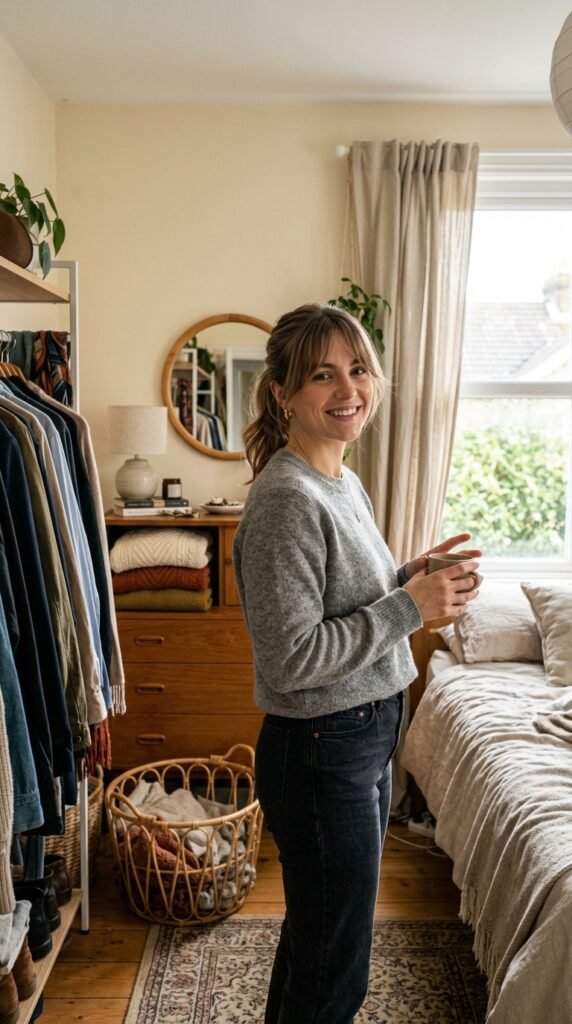
Long layered hair and straight bangs create a clean contrast. The fringe provides a defined focal point while the layers keep the rest of the hair from looking too heavy. This style can work with straight hair or hair that has been gently smoothed with a blow dryer.
Use a paddle brush to dry the lengths downward and a small round brush for the bangs. If the hair tends to separate at the forehead, apply a tiny amount of lightweight styling cream while it is still damp. A flat iron can refine the ends, but always use heat protectant first. One mistake to avoid is making the bangs too thick if your hair is fine because this can leave the remaining lengths looking sparse. A professional cut may cost about $50 to $120.
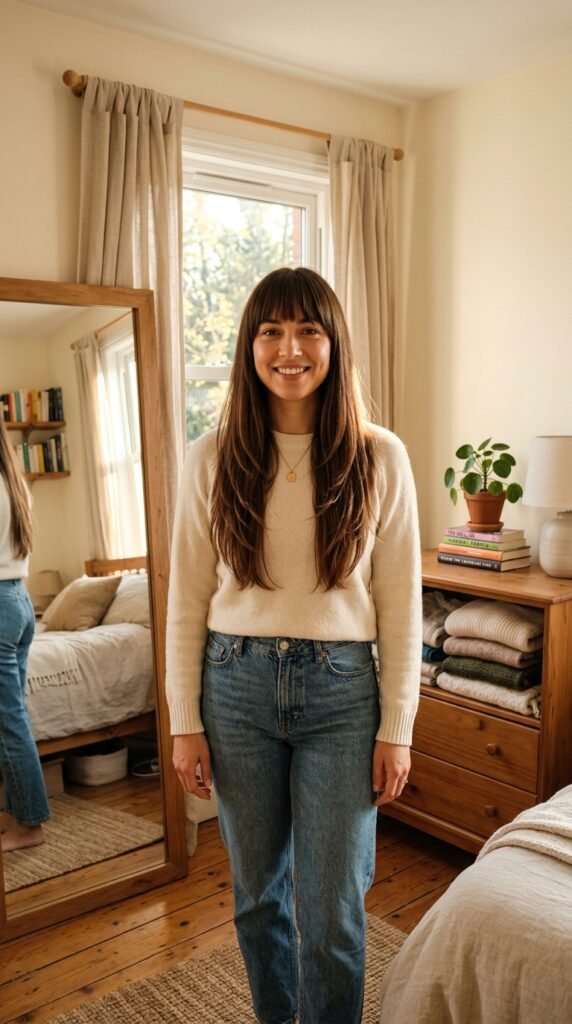
14. Side Part With Long Sweeping Bangs
Long sweeping bangs are a great choice if you want the feeling of a fringe without committing to a short cut. The bangs start near the part and sweep diagonally across the forehead, blending into the longer layers. They can also be tucked behind the ear when you want your face more open.
Ask for bangs that are long enough to reach the cheekbone or jaw so they have multiple styling options. Use a round brush to create the sweeping shape while blow drying. A lightweight hairspray can help hold the direction. Avoid using a large amount of strong hairspray because it can make the fringe look stiff. A flexible hairspray typically costs around $10 to $25.

15. Choppy Bangs With a Shoulder-Length Cut
Choppy bangs bring a little edge to a shoulder-length haircut. Instead of ending in a perfectly straight line, the fringe has varied lengths and visible texture. This gives the style a casual quality that works well with straight, wavy, or slightly tousled hair.
Ask your stylist for a textured fringe rather than a blunt cut. Style it with your fingers and a small amount of texture cream. You can leave the rest of the hair naturally straight or add loose bends with a curling wand. Avoid applying too much product because the choppy pieces should remain light and separated. What I personally love about this is that it does not require every strand to sit in the same place. Texture spray and styling cream usually cost around $15 to $30.
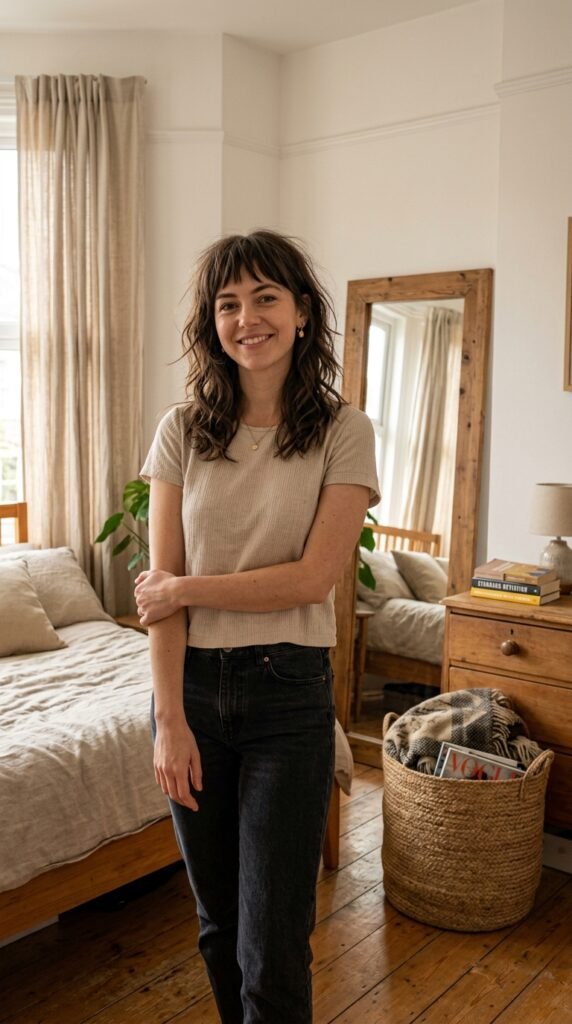
16. Side-Parted Bangs With a Sleek Ponytail
A sleek ponytail paired with side-parted bangs gives you a clean hairstyle while leaving some softness around the forehead. The ponytail can sit at the middle or lower back of the head, while the fringe follows the natural direction of the part.
Create the side part before gathering the rest of the hair. Smooth the ponytail with a paddle brush and secure it with a covered elastic. Use a small amount of styling cream around the hairline and let the bangs remain slightly softer. A discreet bobby pin can keep the fringe in place. Avoid pulling the ponytail too tightly, particularly if you wear it frequently. A brush, elastic, and styling cream can cost approximately $10 to $30.

17. Long Curtain Bangs With Soft Beach Waves
Long curtain bangs and loose beach waves create an easygoing hairstyle with plenty of movement. The fringe opens around the forehead while the waves add texture through the rest of the hair. It works well with casual outfits such as denim, cotton shirts, knit sweaters, and simple dresses.
Style the bangs first using a round brush and direct each side outward. For the lengths, create loose waves with a curling wand, heatless rollers, or braids. Break the waves apart with your fingers and finish with a light texture spray. Do not curl every section in exactly the same direction because varied movement looks more natural. A curling wand and texture spray may cost around $25 to $60, although heatless methods can reduce the cost.
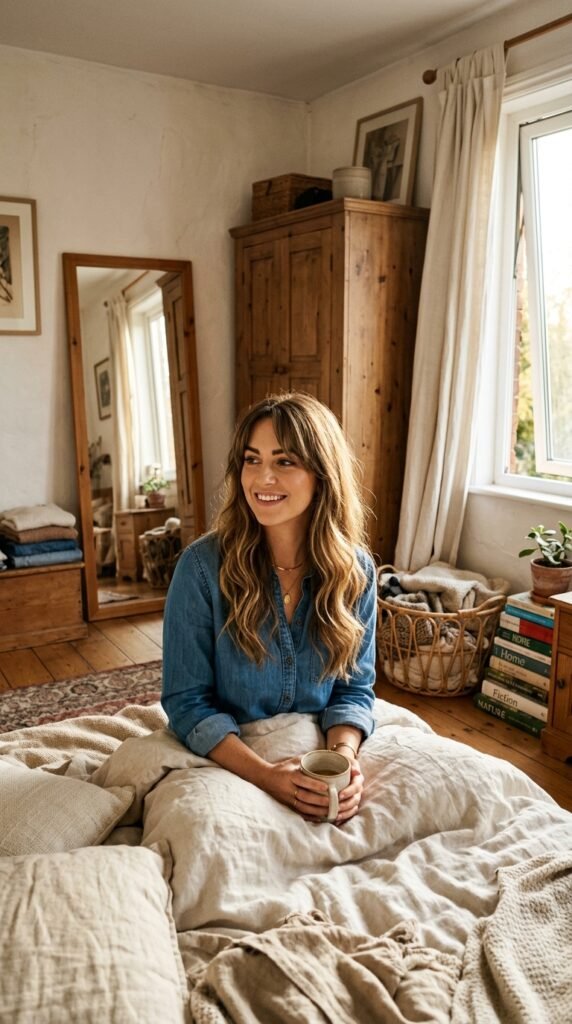
18. Long Wispy Bangs With a Soft Layered Cut
Long wispy bangs offer one of the gentlest ways to experiment with a fringe. The pieces can be worn across the forehead, parted slightly, or pushed to either side. Combined with soft layers, they create movement around the face without making the haircut feel dramatically different.
Ask for a lightweight fringe that gradually connects to the cheekbone and jaw area. Style it with a small round brush or simply use your fingers while blow drying. A lightweight smoothing cream can help keep individual pieces controlled. If you are unsure about committing to bangs, this is a useful starting point because the longer length gives you more styling flexibility as it grows. A trim may cost around $25 to $60, depending on your salon.
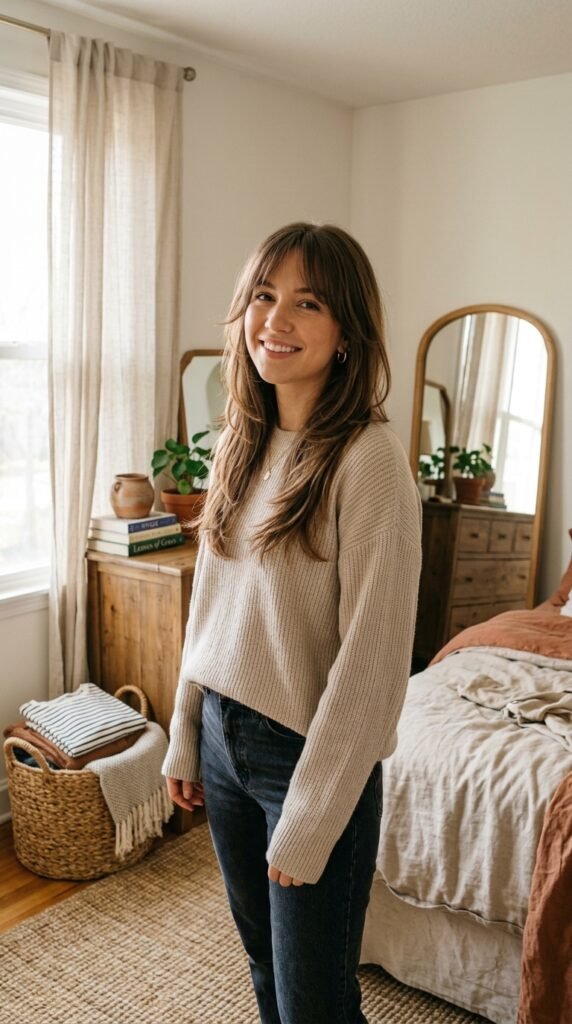
How to Choose the Right Bangs for Your Hair
The right bangs should fit your actual routine, not just look good in a photo. Think about how your hair behaves after washing, whether it dries straight or wavy, and how much time you are willing to spend styling the fringe each morning.
If you want a softer change, consider long curtain bangs, bottleneck bangs, or wispy fringe. These styles give you more flexibility and can be pushed aside when needed. If you want a stronger statement, blunt or micro bangs create a much more noticeable change.
Hair density matters too. Thick hair can often support a fuller fringe, while fine hair may look better with lighter, separated pieces. Curly and wavy hair also need special consideration because shrinkage can change the final length.
Tips for Styling Bangs Every Day
Bangs dry quickly, so style them before the rest of your hair. Even if the rest of your hair is air drying, take a few minutes to direct the fringe where you want it to sit.
A small round brush works well for curtain and side-swept bangs. A paddle brush can create a straighter finish. For textured bangs, your fingers may be all you need.
Keep dry shampoo nearby if your fringe becomes oily during the day. Since bangs sit against your forehead, they can pick up oil and skincare products more quickly than the rest of your hair. Apply dry shampoo sparingly at the roots and brush through gently.
If you use a flat iron, keep the temperature moderate and apply heat protectant first. Bangs are delicate because they are often shorter and styled more frequently.
Conclusion
A new fringe can make your existing haircut feel completely different without requiring you to lose much length. Whether you choose soft curtain bangs, wispy pieces, a bold blunt fringe, or long side-swept layers, the right shape can change how your hair frames your face and how you feel about your everyday style.
These 18 hairstyles with bangs for a fresh new look give you options for different textures, lengths, and styling routines. If you are nervous about making a major change, start with longer curtain or wispy bangs. They give you more room to experiment and can be styled away from the face when you want a different look. If you enjoy making a statement, micro bangs or a blunt fringe may be more your style.
You also do not need expensive products to maintain your new haircut. A good brush, heat protectant, lightweight styling cream, and a little patience can take you a long way. Start with one look that fits your routine instead of choosing a style that requires more daily work than you enjoy.
A haircut should work with your lifestyle as much as your personal taste. Which of these hairstyles with bangs would you try first? I’d love to hear what you’re planning.
Frequently Asked Questions
What type of bangs are easiest to maintain?
Long curtain bangs and wispy bangs are generally easier to maintain because they can be moved to the sides as they grow. They also tend to blend into longer layers. Short blunt and micro bangs usually require more frequent trims and daily styling.
Do bangs work with naturally curly or wavy hair?
Yes, but the cutting and styling approach needs to account for your natural texture. Curly bangs should usually be cut with shrinkage in mind, while wavy hair may need a softer shape that follows its natural movement. A stylist experienced with your hair texture can help determine the right length.
How often should bangs be trimmed?
Many people trim bangs every 3 to 6 weeks to keep the shape fresh. Longer curtain and side-swept bangs can often go longer between trims. If you are growing them out, regular small trims can help maintain a manageable shape.
How can I stop bangs from getting greasy?
Bangs often become oily because they touch the forehead and pick up skincare products. Keep heavier creams away from the hairline and use a small amount of dry shampoo when needed. Washing or refreshing just the fringe can also help you extend the rest of your hairstyle.
What bangs make the face look softer?
Curtain bangs, bottleneck bangs, and long side-swept bangs tend to create soft lines around the face. Face-framing pieces can also be adjusted to highlight the cheekbones or jaw. The best choice depends on your natural features, hair texture, and preferred styling routine.