How to Plan a Bathroom Remodel Step by Step
Introduction
Planning a bathroom remodel can feel overwhelming before you even pick out a single tile. Between setting a budget, choosing materials, comparing layouts, and deciding whether to hire professionals, it’s easy to worry about making expensive mistakes. Many homeowners start with excitement but quickly feel stuck because they don’t know where to begin.
Learning how to plan a bathroom remodel step by step helps you stay organized from the very beginning. Instead of making rushed decisions, you can build a clear plan that fits your budget, your lifestyle, and the size of your bathroom. Whether you’re refreshing a small guest bathroom or renovating your primary bath, thoughtful planning saves time, money, and unnecessary stress.
In this guide, you’ll learn each stage of the remodeling process, from setting goals and measuring your space to selecting finishes, creating a realistic timeline, and adding the final decorative touches. By the end, you’ll have a practical roadmap that helps you create a bathroom that feels welcoming, functional, and designed for everyday life.
1. Start With Clear Remodeling Goals
Before shopping for vanities or tile samples, spend time thinking about what isn’t working in your current bathroom. Maybe storage is limited, lighting feels dim, or the room simply looks dated. Picture how you want the finished space to feel. Bright natural light, warm wood finishes, soft neutral colors, clean countertops, and organized storage often create a bathroom that feels calm and comfortable every day.
Write down your priorities before making any purchases. Decide whether your focus is improving storage, updating the style, increasing resale value, or making the room easier to use. I always recommend choosing three main goals because trying to fix everything at once can stretch both your budget and your timeline. Planning itself usually costs nothing, but investing $20 to $50 in a notebook, measuring tools, and inspiration boards can keep your project organized.
2. Create a Budget Before Shopping
One of the biggest reasons bathroom remodels become stressful is that homeowners begin buying products before deciding how much they can comfortably spend. Walking into a showroom without a budget often leads to expensive choices that don’t fit the overall project. Setting financial limits first makes every decision easier later.
Break your budget into categories such as demolition, plumbing, flooring, fixtures, lighting, cabinetry, paint, and décor. Leave at least ten to fifteen percent aside for unexpected repairs because hidden water damage or outdated plumbing is more common than many people expect. In my experience, the biggest mistake here is spending too much on decorative finishes while forgetting about installation costs. Small bathroom remodels often range from $3,000 to $12,000, while larger renovations can exceed $20,000.
3. Measure Every Inch Carefully
Accurate measurements create the foundation for every successful remodel. Even a beautiful vanity or shower enclosure won’t work if it doesn’t fit comfortably within your space. Careful planning also helps maintain enough room to move around without making the bathroom feel cramped.
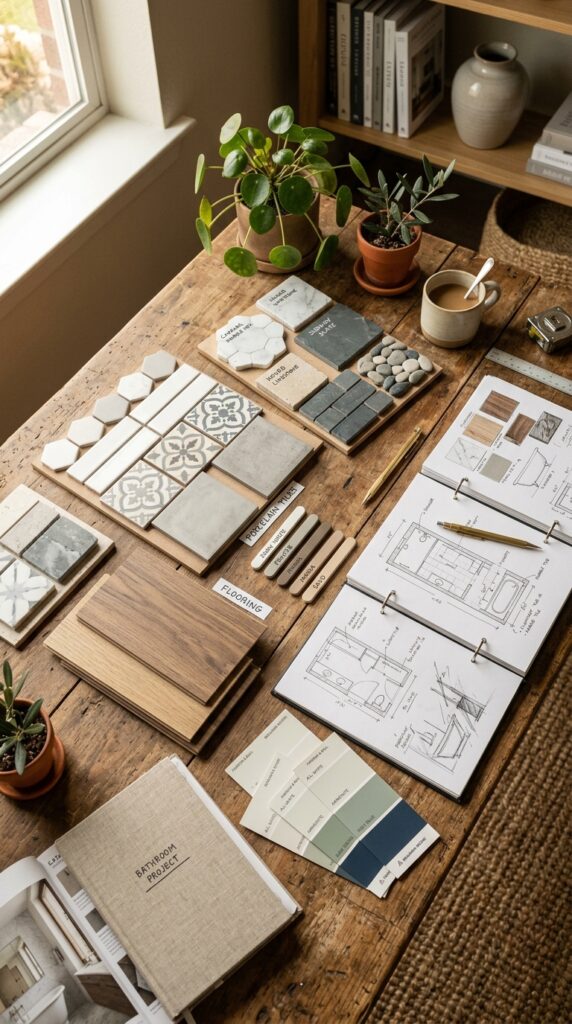
Measure the room’s length, width, ceiling height, window placement, door swing, plumbing locations, and electrical outlets. Sketch a simple floor plan so you can compare different layouts later. A lot of people skip this step, but it makes all the difference when ordering fixtures and cabinetry. A laser measuring tool costs around $25 to $60 and can improve accuracy while saving time.
4. Collect Design Inspiration That Fits Your Lifestyle
Looking through photos is one of the most enjoyable parts of planning a remodel, but it’s also important to stay focused. Instead of saving every beautiful bathroom you find, pay attention to the features that appear repeatedly. You may notice you’re naturally drawn to light wood vanities, brushed nickel fixtures, white subway tile, soft beige walls, or black framed mirrors.
Create a digital inspiration board using images that reflect both your style and your home’s overall design. Think about how each material will look after years of daily use, not just how it appears in a photo. What I personally love about inspiration boards is that they make shopping decisions much faster because you’ve already narrowed down your preferences. Creating inspiration boards is free, while ordering finish samples may cost $10 to $75.
5. Decide What Stays and What Goes
Before demolition begins, take a close look at everything in your bathroom. Some features may still be in excellent condition and can stay, while others are worth replacing. Keeping a solid vanity, a quality bathtub, or well-placed plumbing can reduce costs without affecting the overall look. A mix of old and new often creates a bathroom that feels both practical and inviting.
Walk through the room and make two lists. One list should include items you can reuse, and the other should cover everything that needs replacing. I always recommend checking for water damage, mold, or loose flooring before making final decisions. In my experience, many people replace fixtures that still have years of life left while overlooking hidden repairs that matter much more. Replacing only what you truly need can save $500 to $3,000 on the overall remodel.
6. Choose the Best Bathroom Layout
A good layout makes your bathroom easier to use every single day. You should be able to move comfortably between the vanity, toilet, and shower without squeezing through tight spaces. Even small adjustments, such as relocating a vanity or choosing a walk-in shower, can improve the flow of the room while making it feel more open.
Unless your current layout has serious problems, keeping plumbing in the same location is usually the most budget-friendly choice. Moving water lines and drains often adds significant labor costs. A lot of people assume changing the entire layout will automatically improve the room, but thoughtful updates within the existing footprint often deliver excellent results. Layout changes involving plumbing can add $1,000 to $5,000 or more to your renovation budget.
7. Select Flooring and Wall Materials
The materials you choose affect both the appearance and durability of your bathroom. Porcelain tile remains one of the most popular options because it handles moisture well and comes in styles that resemble stone or natural wood. Soft neutral colors, textured finishes, and large-format tiles help smaller bathrooms feel brighter and more spacious.
Think about maintenance as much as appearance. Choose slip-resistant flooring and wall finishes that are easy to clean. What I personally love about large-format tiles is that they reduce grout lines, creating a cleaner and more spacious look. Avoid selecting materials based only on trends because you’ll likely live with them for many years. Flooring and wall materials generally cost between $500 and $4,000, depending on quality and room size.
8. Pick the Vanity, Sink, and Storage
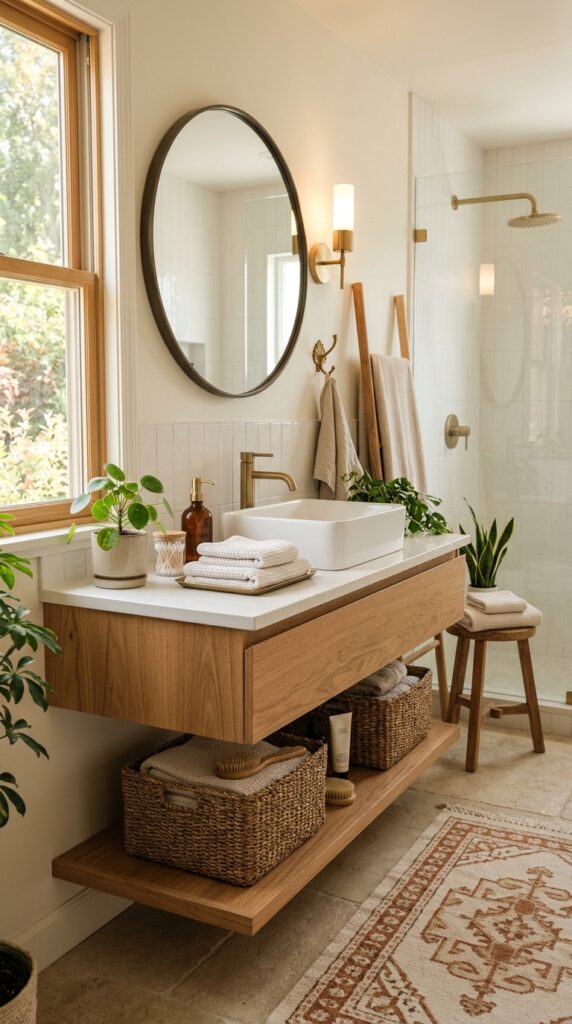
The vanity is often the centerpiece of a bathroom, so choose one that balances storage with available space. A floating vanity creates an open, airy feeling, while a freestanding cabinet offers generous storage for towels, toiletries, and cleaning supplies. Natural wood finishes, white cabinetry, and simple hardware continue to work well across many decorating styles.
Think about your daily routine before making a final choice. Deep drawers are often easier to organize than traditional cabinets, especially when paired with drawer dividers and storage bins. I always recommend measuring carefully before ordering because even a few extra inches can make a small bathroom feel cramped. A quality vanity with a sink typically costs between $300 and $2,500, depending on the size, materials, and countertop.
9. Choose the Right Shower, Tub, and Toilet
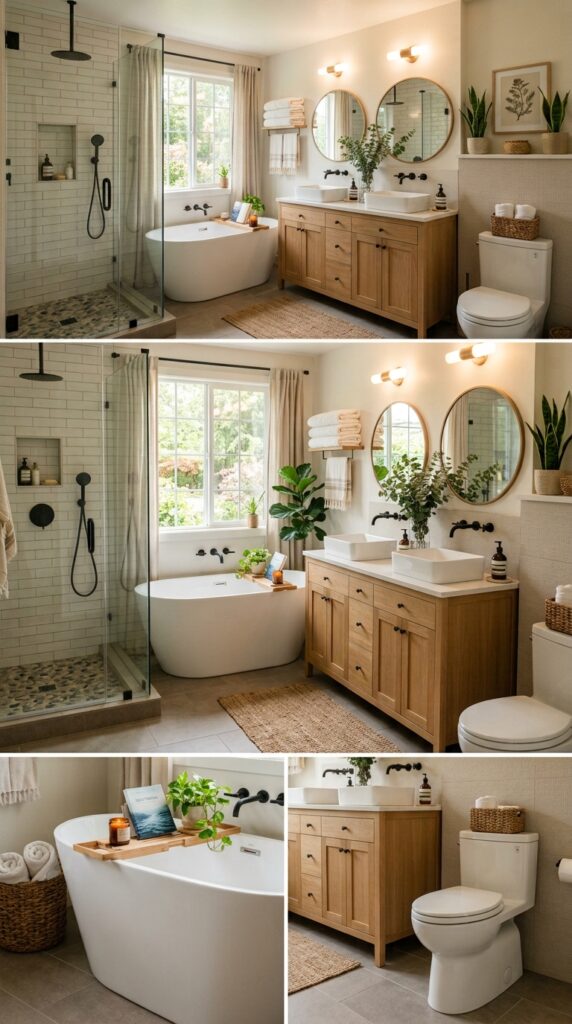
Your shower, bathtub, and toilet are some of the biggest decisions you’ll make during a bathroom remodel because they affect both comfort and the overall layout. A spacious walk-in shower with clear glass panels can make a small bathroom feel brighter and more open, while a freestanding tub creates a relaxing focal point in a larger space. If your current fixtures are outdated or inefficient, replacing them can also lower water usage and improve everyday convenience.
Think about how you actually use your bathroom before making a purchase. If you rarely take baths, replacing an old tub with a walk-in shower may give you more usable space. On the other hand, families with young children often appreciate having a bathtub. Choose a comfort-height toilet with water-saving features for better efficiency. In my experience, the biggest mistake here is selecting oversized fixtures that overwhelm the room. Depending on the products you choose, showers, tubs, and toilets generally cost between $800 and $6,000.
10. Plan Your Lighting and Ventilation
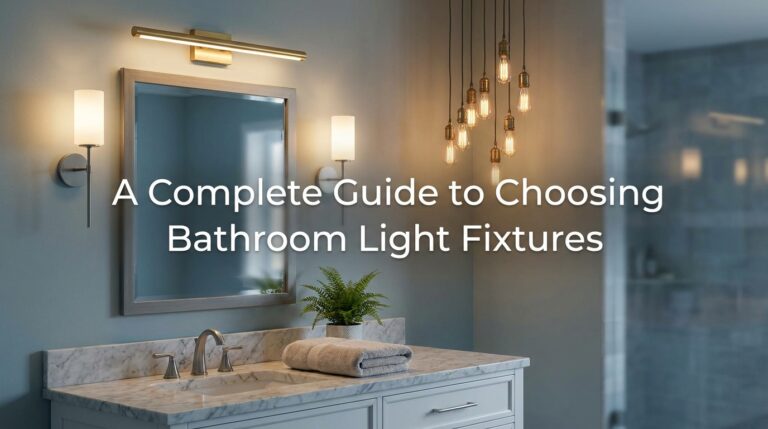
Lighting can completely change how your remodeled bathroom looks and feels. Bright, layered lighting makes daily routines easier while creating a warm atmosphere in the evening. Natural daylight combined with soft vanity lighting highlights finishes like polished tile, wood cabinetry, and stone countertops without making the room feel harsh or overly bright. Good ventilation is just as important because it protects your investment by reducing moisture, mold, and mildew.
Plan for three types of lighting: overhead lighting for general brightness, vanity lighting for grooming tasks, and accent lighting if you have open shelves or a shower niche. Choose warm white LED bulbs around 2700K to 3000K for a comfortable glow. Install a properly sized exhaust fan that matches your bathroom’s square footage and allow it to run after showers to remove excess humidity. I always recommend spending a little more on quality lighting because it improves both function and appearance every day. Lighting fixtures and ventilation typically cost between $300 and $1,500, depending on the size of the room and the products you select.
11. Select Fixtures and Finishes That Work Together
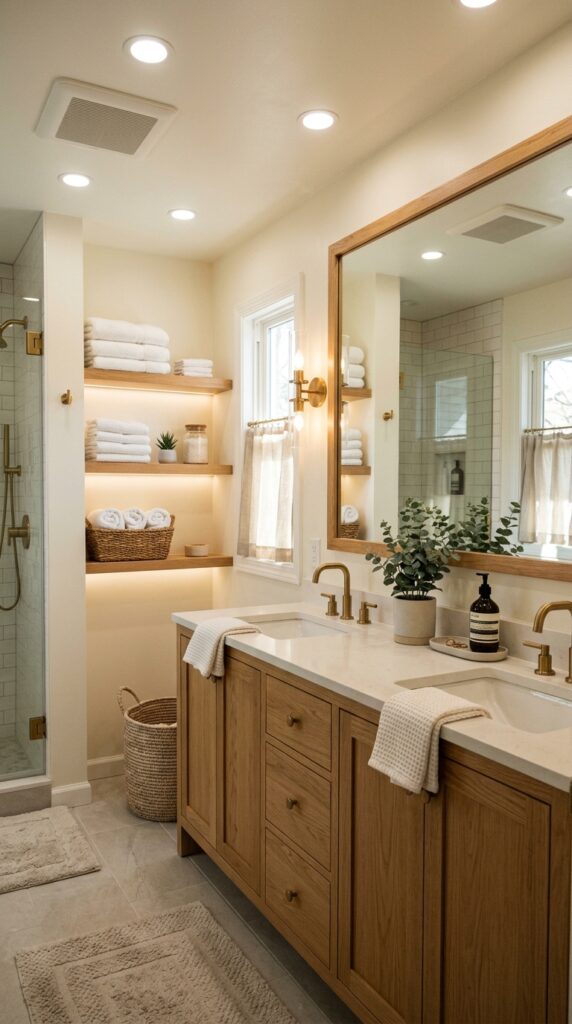
Fixtures and finishes are the details that bring your bathroom remodel together. A brushed nickel faucet, warm wood vanity, soft white walls, and simple lighting can create a calm, welcoming space that feels balanced instead of busy. Rather than choosing each item separately, think of them as parts of one overall design. Consistent finishes help even a modest bathroom look polished and well planned.
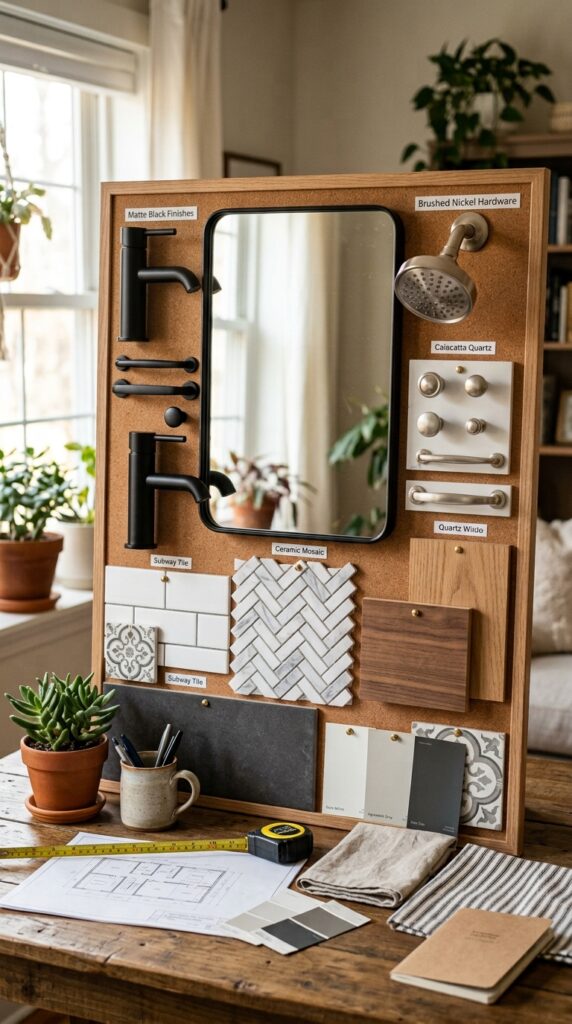
Start by selecting one primary metal finish for your faucet, shower fixtures, cabinet hardware, towel bars, and light fixtures. Then choose colors and materials that complement it, such as white quartz countertops, porcelain tile, or natural oak cabinetry. What I personally love about this approach is that shopping becomes much easier because you already have a clear direction. In my experience, the biggest mistake here is mixing too many finishes without a plan. Fixtures and hardware typically cost between $500 and $3,000, depending on the quality and number of pieces.
12. Create a Realistic Bathroom Remodel Timeline
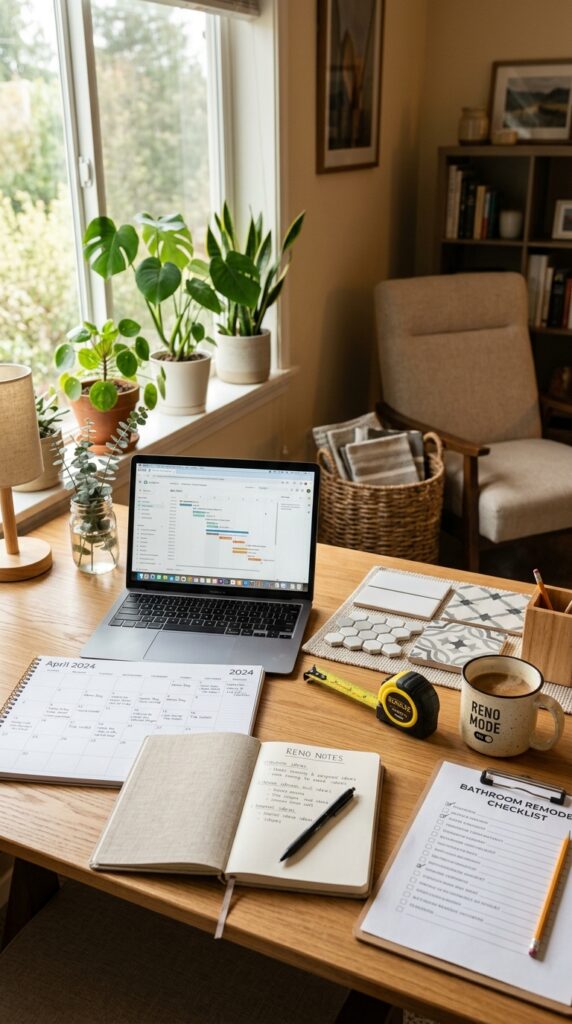
A well-planned timeline helps keep your remodel on track and reduces unnecessary stress. Watching a bathroom come together is exciting, but every project includes several stages, from demolition and plumbing to tiling, painting, and final installation. Giving each phase enough time helps ensure better workmanship and fewer costly mistakes.
Create a simple schedule that outlines each task in order, along with estimated completion dates. Leave extra time for shipping delays, inspections, or unexpected repairs behind walls or under flooring. I always recommend adding at least one additional week as a buffer because surprises are common during renovations. A lot of people expect everything to finish exactly on schedule, but flexibility makes the entire process much less stressful. Most standard bathroom remodels take three to eight weeks, depending on the size of the project and contractor availability.
13. Hire the Right Professionals or Plan Your DIY Tasks
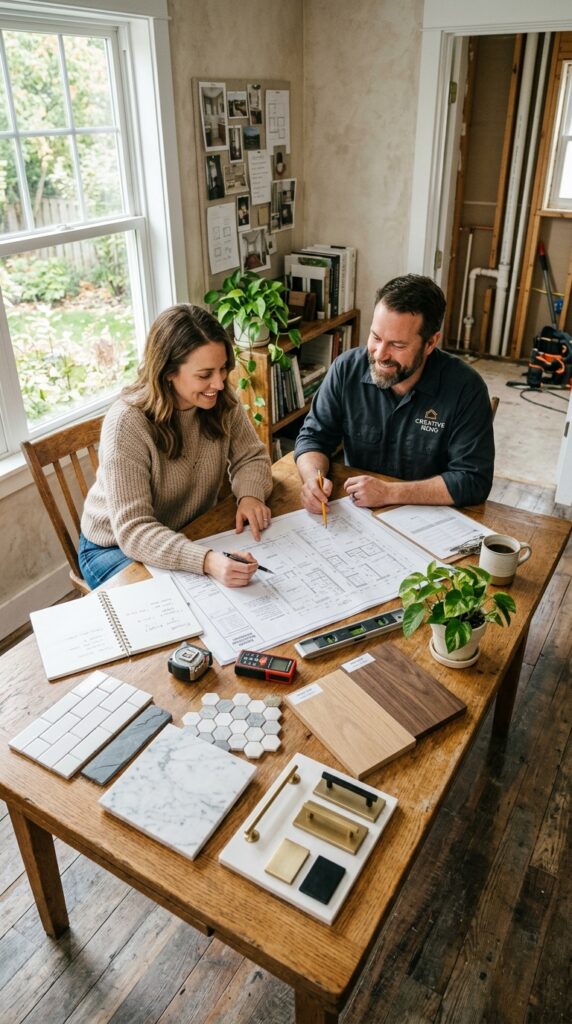
Choosing who will complete the work is one of the biggest decisions in your remodel. Skilled contractors can help avoid costly mistakes with plumbing, electrical work, waterproofing, and tile installation, while confident DIY homeowners may handle painting, installing accessories, or assembling cabinets. The goal is to match each task with the right level of experience.
Ask contractors for references, licenses, insurance information, and detailed written estimates before signing a contract. If you’re tackling part of the remodel yourself, be honest about your skills and leave technical work to qualified professionals when needed. A lot of people try to save money by doing everything themselves, only to spend more fixing mistakes later. Contractor labor varies widely, but professional installation often accounts for 40 to 60 percent of the total remodeling budget.
14. Prepare Your Home Before Construction Begins
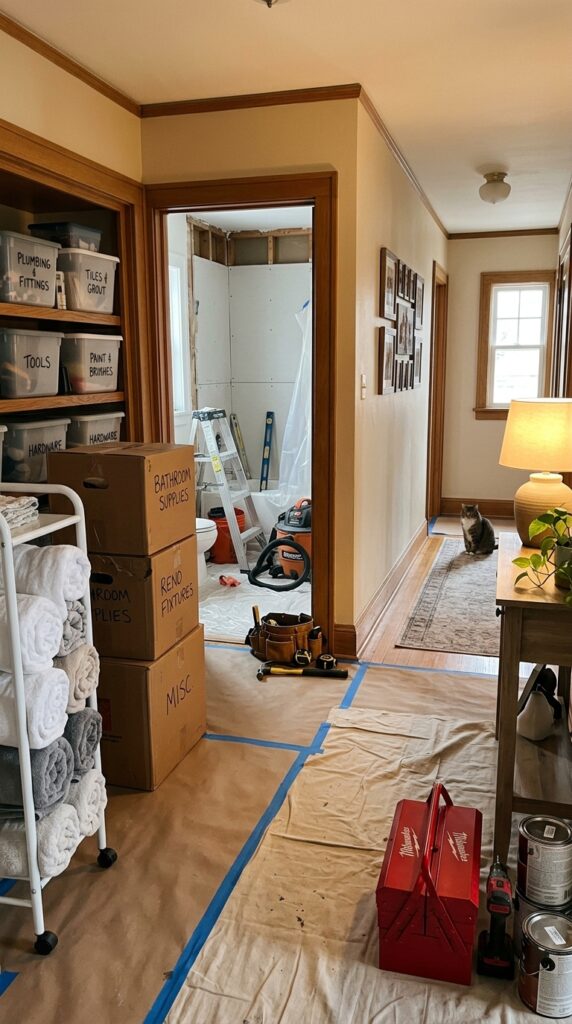
The days before demolition are the best time to protect your home and reduce daily disruption. Removing personal belongings, covering nearby furniture, and creating a temporary bathroom station can make the renovation much easier to manage. A little preparation now helps construction move more smoothly once work begins.
Pack toiletries, towels, medications, and decorative accessories into clearly labeled storage bins. Protect floors outside the bathroom with temporary coverings, and discuss access hours with your contractor if professionals are handling the work. I always recommend taking photos of the existing bathroom before demolition so you have a record of plumbing and electrical locations if questions come up later. Basic protective materials and storage supplies usually cost between $30 and $150.
15. Finish With Styling and Smart Organization
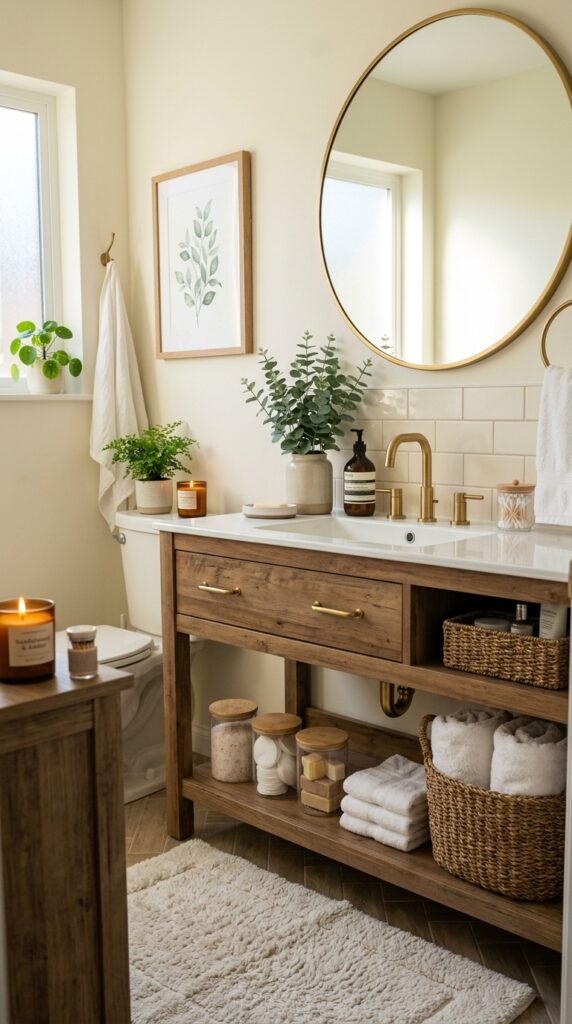
Once construction is complete, the finishing touches help your remodeled bathroom feel like home. Fresh white towels, woven baskets, glass jars, a wooden bath tray, greenery, and soft lighting create warmth without adding clutter. Instead of filling every surface, focus on a few decorative accents that also serve a purpose.
Organize drawers with dividers, keep countertops clear, and display only everyday essentials. Add a framed print, a textured bath mat, or a small candle to make the room feel welcoming. What I personally love about this final step is that it brings together all the hard work you’ve put into planning and remodeling. Decorative accessories and organizers typically cost between $50 and $300, depending on your style and storage needs.
Conclusion
Learning how to plan a bathroom remodel step by step helps you approach the project with confidence instead of guesswork. By setting clear goals, creating a realistic budget, measuring carefully, choosing durable materials, coordinating fixtures, and planning your timeline, you can avoid many of the common mistakes that lead to delays and extra costs.
Remember, you don’t have to complete every upgrade at once. If your budget is limited, start with the improvements that will make the biggest difference, such as better lighting, additional storage, or updated fixtures. Small, thoughtful changes often have a bigger impact than rushing into a complete renovation without a plan.
The best bathroom remodel is one that fits your everyday routine, reflects your personal style, and stays functional for years to come. Careful planning now will help you enjoy the finished space long after the project is complete.
Which step are you most excited to tackle first? I’d love to hear about your remodeling plans in the comments.
FAQs
How much should I budget for a bathroom remodel?
A small bathroom remodel typically costs between $3,000 and $12,000, while larger or luxury renovations can exceed $20,000. The final cost depends on the size of the room, materials, labor, and whether plumbing or electrical systems need updating.
Should I remodel my bathroom myself or hire a contractor?
Simple tasks like painting, installing accessories, or decorating are often suitable for DIY projects. Plumbing, electrical work, waterproofing, and major tile installation are usually best left to experienced professionals.
What should I choose first during a bathroom remodel?
Start with your layout and budget. Once those decisions are made, you can confidently select flooring, cabinetry, fixtures, lighting, and decorative finishes that work together.
How long does a typical bathroom remodel take?
Most bathroom remodels take three to eight weeks, depending on the scope of work, material availability, and contractor schedules. Larger renovations may require additional time.
What adds the most value during a bathroom remodel?
Updated vanities, quality lighting, water-efficient fixtures, attractive tile, and practical storage are among the improvements that often provide the greatest value while making the bathroom more enjoyable to use.