15 Small Garden Ideas That Look Lush and Stylish
If your outdoor space is more “tiny patch” than sprawling backyard, it’s easy to feel like your options are limited. Maybe you’ve looked at beautiful Pinterest gardens and wondered how anyone fits that much greenery into a small area. The good news is that you don’t need a large yard or a big budget to create something inviting. With a few smart choices, even the smallest garden can feel full of life, color, and personality.
These small garden ideas are all about making the most of every corner. Whether you have a compact backyard, a narrow side yard, a balcony, or a tiny patio, you’ll find practical ways to add texture, height, and charm without making the space feel crowded. From simple DIY projects to clever planting tricks, each idea is easy to adapt to your style and budget. Start with one or two ideas that fit your space, and you’ll be surprised by how much warmer and more welcoming your garden can feel.
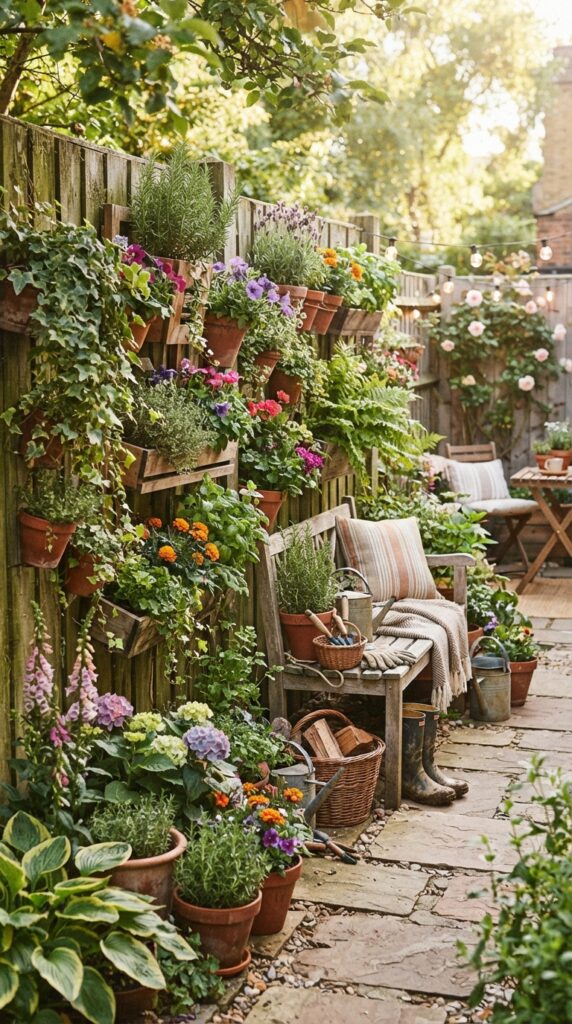
1. Build Up with Vertical Planters Instead of Spreading Out
One of the easiest ways to make a small garden feel lush is by using your walls instead of your floor space. A plain fence or brick wall can quickly become a living feature filled with trailing ivy, colorful flowers, fresh herbs, or leafy ferns. The mix of greenery at different heights naturally draws your eyes upward, making the whole garden feel larger. I always recommend this when someone wants a change without starting over because it adds plenty of visual interest without taking away valuable walking space.
You can create this look with wooden pallet planters, hanging pots, wall-mounted shelves, or pocket fabric planters. Stick to three or four plant varieties so the display looks full without becoming messy. A lot of people skip regular watering because vertical planters dry out faster than ground beds, but it makes all the difference. Expect to spend around $25 to $100, depending on the planter style and the number of plants.
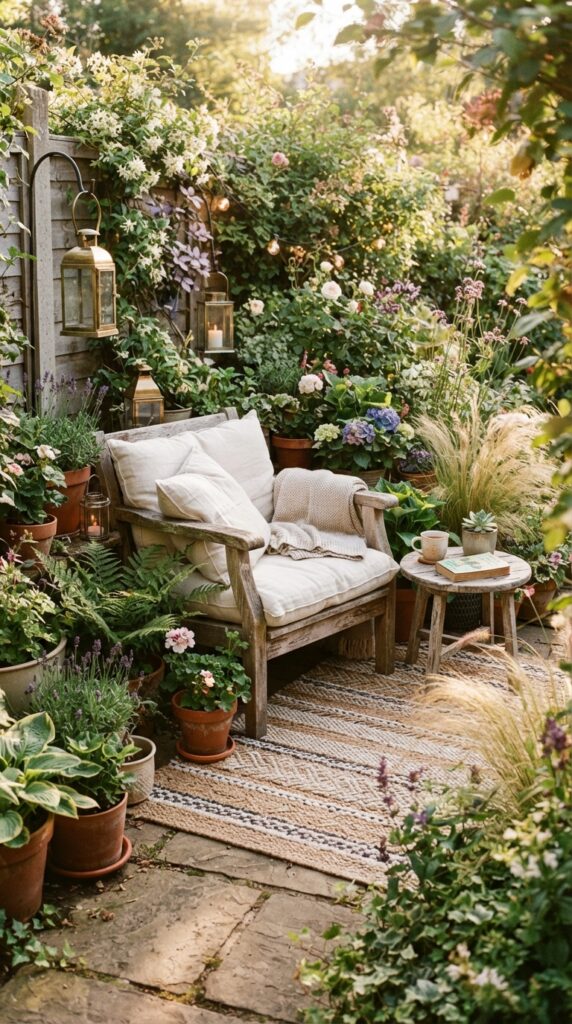
2. Frame a Cozy Seating Corner with Greenery
Even the smallest garden feels more inviting when there’s a comfortable place to sit. Picture a simple wooden chair tucked into a quiet corner, surrounded by potted plants, soft ornamental grasses, and flowering shrubs. The layered greenery creates a peaceful backdrop that makes the space feel private and relaxing. What I personally love about this is that it turns a forgotten corner into a place where you’ll actually want to enjoy your morning coffee or unwind after work.
Choose compact outdoor furniture with slim frames so the area doesn’t feel cramped. Add a weather-resistant cushion in earthy green, cream, or soft beige to keep the look calm and natural. Use containers in different heights for extra depth instead of buying oversized pots. One common mistake is filling every inch with furniture, leaving little room for plants to shine. A cozy setup like this usually costs between $80 and $250, depending on your seating choice.
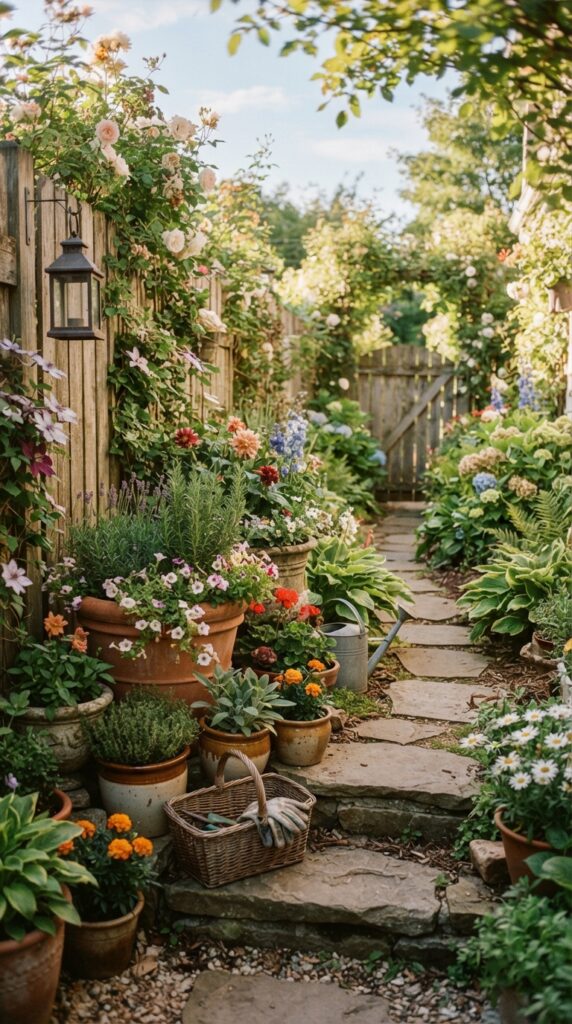
3. Create Layers with Mixed Pot Sizes
One reason professional gardens look so full is that they rarely place every plant at the same height. Layering pots of different sizes creates movement and depth, making a compact garden appear much richer. Imagine large leafy plants at the back, medium flowering pots in the middle, and small herbs near the front. The varied heights create a balanced display that feels collected over time rather than bought all at once.
Start with one large statement planter, then build around it using medium and smaller containers. Terracotta, stone, or matte ceramic pots work beautifully together because they share natural textures. In my experience, the biggest mistake here is choosing containers that are all identical in size. Mixing heights creates a softer, more interesting look. You can build a layered arrangement for around $40 to $150, depending on the containers and plants you already own.
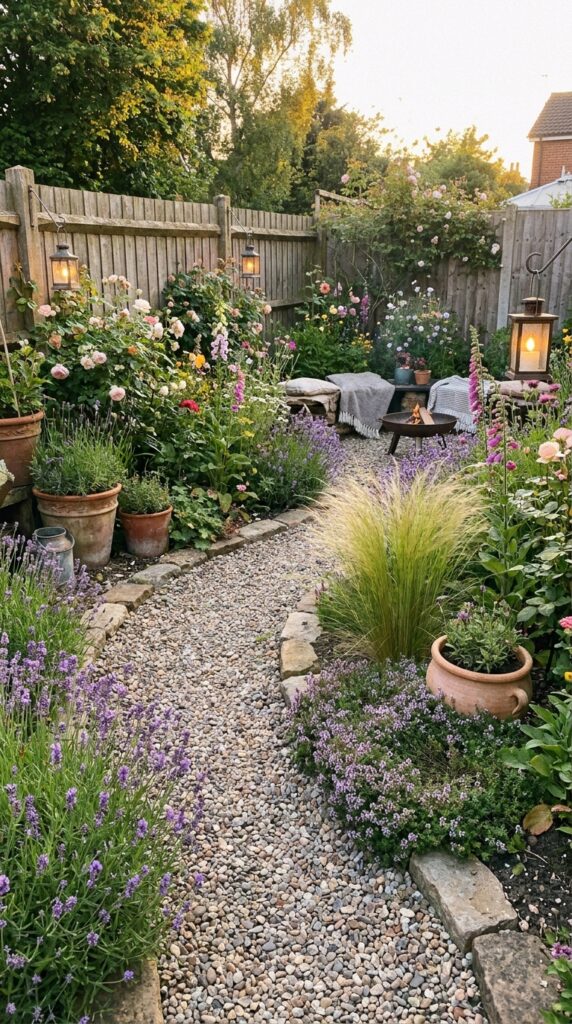
4. Add a Gravel Path Through Your Small Garden
A simple gravel path can completely change how a compact garden feels. Instead of looking like one small square, the garden suddenly has direction and movement. Even a short winding path encourages your eyes to travel through the space, making it feel larger than it actually is. Soft gray gravel paired with rich green plants creates a calm, timeless look that works with almost any garden style.
You don’t need a long walkway to get this effect. A narrow path connecting your patio to a flower bed or seating area is enough. Border it with lavender, creeping thyme, or low ornamental grasses for extra texture. A lot of people forget to install edging, which allows gravel to spread into planting beds over time. Budget around $50 to $180 depending on the size and materials you choose.
5. Fill Empty Corners with Statement Pots
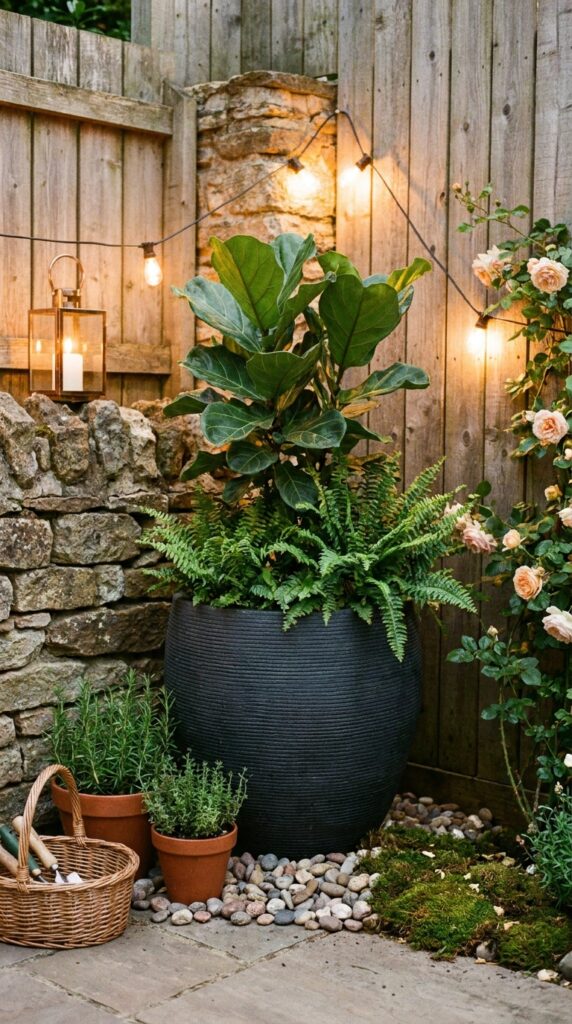
Corners often become wasted space, especially in smaller gardens. Instead of leaving them bare, use one or two oversized planters filled with bold greenery. Large leafy plants instantly soften hard edges while giving the garden a more finished appearance. The contrast between generous foliage and open walking space creates a balanced look that feels fresh rather than cluttered.
Choose plants like dwarf olive trees, Japanese maple, elephant ears, or large ferns depending on your climate. Pair them with simple pots in charcoal, stone, or natural clay so the greenery remains the main focus. I always recommend resisting the urge to add several tiny pots around the base because that can make the corner feel busy. A quality statement planter arrangement generally costs between $60 and $180, but it often becomes the feature people notice first.
6. Turn a Plain Fence into a Living Feature
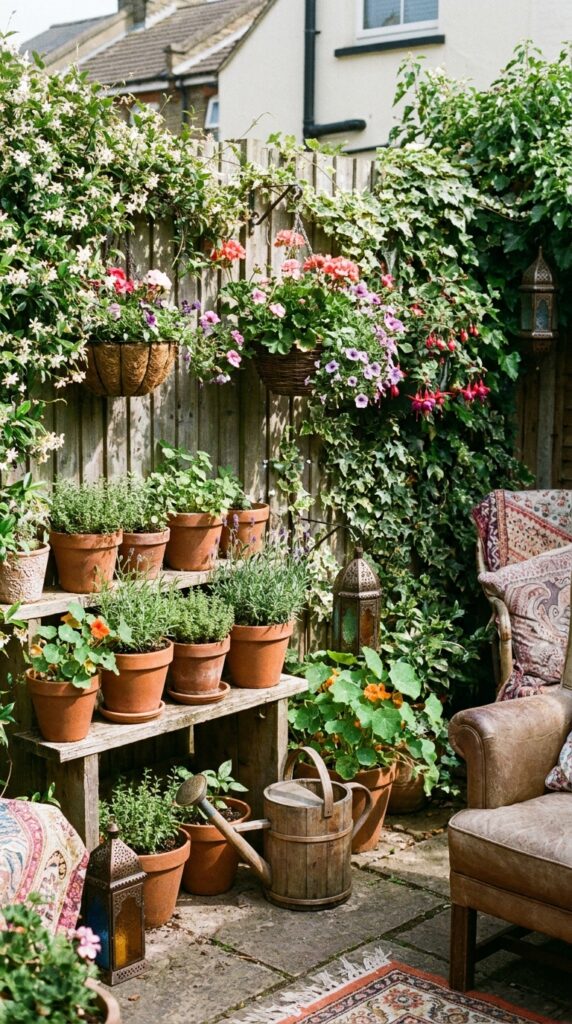
A plain wooden fence doesn’t have to stay in the background. With climbing plants and a few hanging containers, it can become one of the most eye-catching parts of your garden. Imagine delicate jasmine winding across the fence, trailing ivy spilling over shelves, and bright blooms adding pops of color against warm natural wood. The layered greenery creates a soft backdrop that makes the entire space feel more enclosed and peaceful without adding bulky structures.
You can attach simple wooden shelves, metal hooks, or hanging baskets to the fence for extra planting space. Mix flowering plants with evergreen foliage so there’s always something interesting to look at throughout the year. In my experience, the biggest mistake here is placing every planter at the same height. Staggering them creates a fuller, more natural look. Depending on the materials you choose, this project usually costs between $40 and $150.
7. Grow Herbs in Decorative Containers
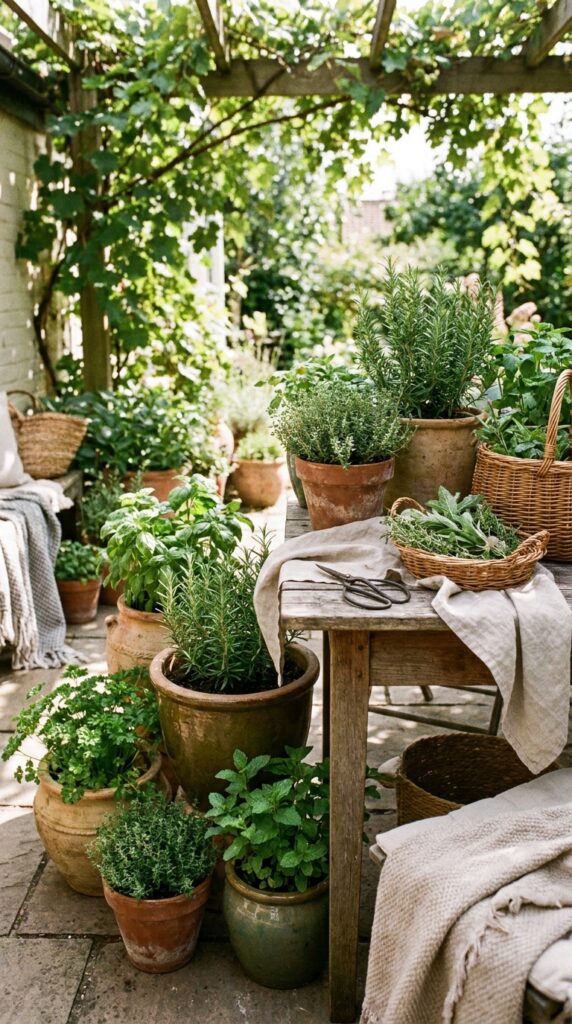
A small herb garden brings beauty and practicality together. Fresh rosemary, basil, thyme, mint, and parsley add different shades of green while filling the air with a light, fresh scent every time you brush past them. Placed near a patio or kitchen door, they create a garden that feels both useful and welcoming. What I personally love about this idea is that you get something beautiful to look at and fresh ingredients for cooking at the same time.
Choose matching terracotta or ceramic pots for a clean, organized look. Arrange taller herbs at the back and trailing varieties near the front for extra depth. Be careful not to overcrowd mint with other herbs since it spreads quickly and can take over a container. A charming herb display can usually be created for around $30 to $90, especially if you grow some plants from seed.
8. Add a Small Water Feature for a Peaceful Feel
Even a compact water feature can make a tiny garden feel calm and inviting. The gentle sound of moving water softens nearby traffic noise and creates a peaceful atmosphere that encourages you to slow down. Picture a small stone fountain surrounded by ferns, moss, and leafy plants with sunlight reflecting softly across the water. It becomes a quiet focal point without taking up much space.
Tabletop fountains, ceramic bowls with small pumps, or compact self-contained water features are all good options for smaller gardens. Place the fountain where it can be seen from both your seating area and inside your home if possible. A lot of people overlook regular cleaning, but keeping the water fresh helps prevent algae from building up. You can usually find attractive options between $70 and $250.
9. Mix Flowering Plants with Evergreen Foliage
Gardens that rely only on flowers often look empty once blooming season ends. Mixing flowering plants with evergreen shrubs creates a fuller display that stays attractive throughout the year. Soft white hydrangeas, lavender, and daisies paired with deep green boxwood or dwarf conifers provide beautiful contrast while keeping the garden colorful across different seasons. The balance of flowers and greenery gives the space a relaxed, established feel.
Try using roughly twice as many evergreen plants as flowering varieties so the garden always has structure. Repeat similar colors instead of planting every flower you like. A lot of people buy too many bright colors, which can make a small garden feel busy instead of peaceful. Creating this layered planting scheme generally costs between $60 and $200, depending on the plant sizes.
10. Light Up Your Small Garden with Warm Solar Lanterns
As daylight fades, gentle lighting can completely change the mood of a small garden. Warm solar lanterns tucked between plants, hanging from tree branches, or lining a gravel path create a soft glow that feels welcoming rather than overly bright. The light catches glossy leaves, highlights flowers, and adds depth to the garden after sunset. I always recommend this when someone wants their outdoor space to feel more inviting without spending a fortune.
Choose warm white lights instead of cool blue tones for a softer, more natural atmosphere. Mix lanterns with a few string lights, but avoid placing too many in one area because excessive lighting can make a small space feel cluttered. Solar-powered options are easy to install and usually cost between $20 and $80, making them one of the most affordable updates you can make.
11. Create a Tiny Garden Nook with a Pergola
Even a compact pergola can make a small garden feel like a private retreat. Picture a simple wooden structure covered with climbing roses or fragrant clematis, casting gentle shadows across a cozy chair and a small side table. The combination of filtered sunlight, fresh greenery, and natural wood gives the space a peaceful atmosphere that invites you to slow down for a while. It doesn’t need to be large to make an impact.
Choose a slim pergola designed for small patios or garden corners. Train climbing plants along the posts to soften the structure over time, and add a weather-resistant chair with a linen cushion for comfort. In my experience, the biggest mistake is choosing a pergola that’s too bulky for the space. Keep the scale proportional so your garden still feels open. Depending on the material, this project typically costs $150 to $500, with budget-friendly DIY kits available.
12. Use Raised Garden Beds for a Neat Look
Raised garden beds bring structure to a small outdoor space while making planting and maintenance easier. Clean wooden frames filled with fresh herbs, vegetables, or colorful flowers create tidy lines that help the garden feel organized instead of crowded. Rich soil, healthy greenery, and natural timber work together to create a warm, welcoming space that looks well cared for throughout the growing season.
Cedar and untreated pine are excellent choices because they blend beautifully with most garden styles. Keep the beds around 12 to 18 inches high for comfortable planting, and leave enough walking space between them. A lot of people place raised beds too close together, making the garden feel cramped. Simple DIY versions usually cost between $60 and $180, depending on the size and materials you choose.
13. Add Mirrors to Make Your Small Garden Feel Bigger
A carefully placed outdoor mirror can create the illusion of extra space while reflecting light and greenery throughout the garden. Imagine a vintage-style mirror mounted against a wooden fence, surrounded by climbing vines and flowering plants. The reflection makes the garden appear deeper, while bouncing sunlight into darker corners for a brighter, more open feel. It’s a simple trick that works surprisingly well in compact spaces.
Choose mirrors designed for outdoor use, or protect a regular framed mirror under a covered area. Position it where it reflects your favorite plants instead of fences or storage areas. What I personally love about this idea is how much depth it creates without adding anything bulky. Avoid placing mirrors where they reflect direct sunlight into seating areas. Expect to spend around $40 to $120 for a weather-resistant option.
14. Bring in Texture with Natural Materials
The most inviting gardens aren’t filled with expensive decorations. They’re layered with natural textures that make the space feel warm and relaxed. Think woven baskets used as planters, weathered wooden benches, smooth stone edging, gravel paths, clay pots, and rustic wooden crates overflowing with greenery. These materials add character while allowing colorful plants to remain the main attraction.
Stick to two or three natural finishes so everything feels connected. Pair light gravel with warm wood and terracotta for a timeless combination that works in almost any garden. A lot of people buy too many decorative accessories, which can make a small space feel cluttered. Simple texture updates often cost between $30 and $120, especially if you reuse items you already have around the house.
15. Keep Your Small Garden Simple and Consistent
One of the best small garden ideas is also the easiest to overlook. Instead of filling every corner with different colors, materials, and decorations, focus on creating a consistent style. Repeating similar planters, plant varieties, and natural finishes gives the entire garden a calm, balanced appearance. The space feels fuller because your eye moves smoothly through the design rather than stopping at every different object.
Choose a limited color palette, such as greens with white flowers and warm terracotta pots, or soft pink blooms paired with gray stone containers. Repeat those elements throughout the garden for a cohesive look. I always recommend editing your garden every season by removing anything that feels out of place. You’ll often find that taking one item away makes the whole space feel more polished. Refreshing your garden this way can cost as little as $10 to $50, making it one of the most budget-friendly improvements.
Conclusion
Creating a beautiful outdoor space doesn’t depend on having a huge backyard or a professional landscape designer. The best small garden ideas are often the simplest ones. A few well-placed planters, layers of greenery, warm lighting, or a cozy place to sit can completely change how your garden looks and feels. By working with the space you have instead of wishing for more, you can create a garden that’s both practical and full of personality.
You don’t have to tackle everything at once, either. Start with one or two ideas that fit your budget and your lifestyle. Maybe that’s adding a vertical planter, building a gravel path, or filling an empty corner with a statement pot. As your plants grow and you continue adding small touches over time, your garden will naturally feel richer and more inviting.
The best part is that creating a stylish garden doesn’t require spending thousands of dollars. Thoughtful planning, a little creativity, and a few affordable updates can go a long way. Before you know it, your outdoor space will become one of your favorite places to relax, entertain, or simply enjoy a quiet moment.
Which of these small garden ideas would you try first? I’d love to hear what you’re planning in the comments!
Frequently Asked Questions
How can I make a small garden look bigger?
The easiest way is to create visual depth. Use vertical planters, climbing plants, mirrors, and layered containers to draw the eye upward and around the space. Keeping a consistent color palette and avoiding overcrowding also helps your garden feel more open.
What are the best plants for a small garden?
Compact shrubs, ornamental grasses, herbs, climbing plants, ferns, lavender, hydrangeas, dwarf trees, and evergreen shrubs are all excellent choices. Mixing evergreen plants with seasonal flowers keeps the garden attractive throughout the year while adding texture and color.
How do I decorate a small garden on a budget?
Start with affordable updates like terracotta pots, gravel paths, solar lanterns, and DIY vertical planters. You can also repurpose wooden crates, baskets, or old ladders as plant displays. Small improvements made over time often have a bigger impact than one expensive project.
How do I keep a small garden from looking cluttered?
Choose a simple color palette, repeat similar planters, and leave enough open space for pathways and seating. Avoid filling every corner with decorations. In my experience, removing a few unnecessary items often makes the plants stand out even more.
What is the easiest way to add privacy to a small garden?
Tall potted plants, climbing vines on trellises, ornamental grasses, and compact pergolas can all create a sense of privacy without making the garden feel closed in. Layering greenery at different heights also helps create a more secluded, relaxing atmosphere.