
16 Feminine Manners That Make You Appear More Elegant
You can wear a polished outfit, style your hair carefully, and still feel unsure about the impression you leave. Elegance is often less about clothing and more about how you speak, listen, respond, and make other people feel. Small habits can create warmth and confidence long after someone forgets what you were wearing.
These 16 feminine manners that make you appear more elegant focus on everyday behavior rather than strict etiquette rules. You will learn how to greet people calmly, listen without interrupting, handle disagreements, respect shared spaces, and communicate boundaries without becoming cold.
None of these ideas require an expensive wardrobe, formal education, or a different personality. Quiet people can be elegant. Energetic people can be elegant too. The goal is not to perform a role or become overly formal. It is to move through daily life with greater awareness, respect, and self control.
Choose one or two manners that address a situation you find difficult. Repeated practice will feel more natural than trying to change everything at once.
1. Use Feminine Manners by Greeting People First
A warm greeting can soften the mood of a room before a longer conversation begins. Looking up, offering a small smile, and saying someone’s name communicates that you noticed their presence. This feels polished whether you are wearing a linen dress, soft denim, office clothing, or comfortable clothes at home.
Practice greeting receptionists, coworkers, neighbors, shop staff, and guests before moving into your request. Keep your tone natural rather than overly bright. In my experience, the biggest mistake is speaking only to the person you consider most important while ignoring everyone else nearby. A simple “Good morning” or “It is nice to see you” costs nothing and takes only a moment. You can practice in low pressure settings until the habit feels easy.
2. Listen Without Interrupting the Story
Being listened to can make a person feel respected and calm. Elegant listening looks like relaxed eye contact, an open expression, and enough patience for someone to finish a thought. You do not need to remain silent throughout the conversation, but your response should show that you heard more than the first sentence.
Wait a moment before replying and ask one useful follow up question. Put your phone face down or inside your bag. A lot of people interrupt with a similar personal story because they want to show understanding. Allow the speaker to complete the experience first. This manner is free. Meeting someone for tea may cost between $5 and $20, but the meaningful part is your attention rather than the setting.
3. Say Thank You With Specific Warmth
A specific thank you feels more sincere than a quick phrase said from habit. Mentioning what someone did and how it helped shows that you noticed their effort. This can turn an ordinary exchange into a thoughtful moment without sounding formal.
Instead of saying only “Thanks,” try, “Thank you for checking that for me,” or, “I appreciated how clearly you explained it.” What I personally love about this habit is that it works with friends, coworkers, relatives, and service staff. Avoid adding a complaint immediately after the thank you, since that can weaken the message. Spoken gratitude is free. A small set of note cards may cost between $10 and $25 when a handwritten message feels suitable.
4. Speak Clearly Without Raising Your Voice
A clear voice can sound confident without becoming loud. Finishing your sentences, choosing direct words, and slowing your pace slightly helps people follow what you mean. Soft fabric, calm posture, and relaxed hands can support the same composed feeling.
Pause for one breath before answering a difficult question. Record a short voice note if you want to notice your pace and volume. In my experience, the biggest mistake is lowering the voice so much in an effort to seem refined that people cannot hear. Speak at a comfortable level and avoid rushing through the end of sentences. This practice costs nothing. A small notebook for preparing a meeting, interview, or important conversation may cost between $8 and $20.
5. Feminine Manners That Make You Appear More Elegant at the Table
Good table manners are less about knowing dozens of formal rules and more about helping everyone feel comfortable. Sitting calmly, chewing before speaking, keeping your phone away, and noticing when others need something can make a shared meal feel more pleasant.
Follow the level of formality set by the host. Place your napkin on your lap, take manageable bites, and ask before reaching across another person. A common mistake is correcting someone else’s table manners in front of the group. Even accurate advice can embarrass them. If you are unsure which utensil to use, watch the host or begin with the one farthest from the plate. These habits cost nothing. A simple fabric napkin set for home meals may cost between $10 and $30.
6. Arrive on Time Without Making a Rushed Entrance
Punctuality shows respect for another person’s schedule. It also allows you to enter with calm posture instead of searching for keys, adjusting clothing, and apologizing repeatedly. A prepared handbag, comfortable shoes, and a checked route can make the start of an event feel smoother.
Work backward from the arrival time and include dressing, travel, parking, and a small delay buffer. Prepare your outfit and bag the night before when possible. A lot of people calculate only the drive and forget everything that happens before leaving home. Calendar reminders are free. An entryway tray, wall hook, or simple clock may cost between $10 and $35. Aim to arrive with enough time to settle without appearing excessively early.
7. Introduce People Instead of Leaving Them Standing
When two people do not know each other, a simple introduction prevents awkward silence. Including one useful detail gives them an easy place to begin talking. This small act can make you appear socially aware without requiring you to control the conversation.
Say each person’s name clearly and add a brief connection, such as, “You both enjoy gardening,” or, “Maya also works in design.” Avoid sharing personal information that the person may not want discussed. What I personally love about this manner is that it helps quieter guests feel included. It costs nothing. If you often forget names, repeat the name once during the introduction and connect it mentally with the place or topic.

8. Avoid Turning Every Conversation Into Gossip
Gossip can make a conversation feel lively for a moment, but it often leaves people wondering what you may say about them later. Elegant conversation allows humor and honesty without depending on another person’s private struggles for entertainment.
When a discussion becomes cruel, change the subject, add a fair perspective, or say, “I do not know enough about that situation.” In my experience, the biggest mistake is joining in because silence feels awkward. A short pause is often less damaging than an unkind comment. This habit costs nothing. Keep several neutral topics in mind, such as books, food, travel, work projects, or local events, so changing direction feels natural.

9. Respect Personal Space and Belongings
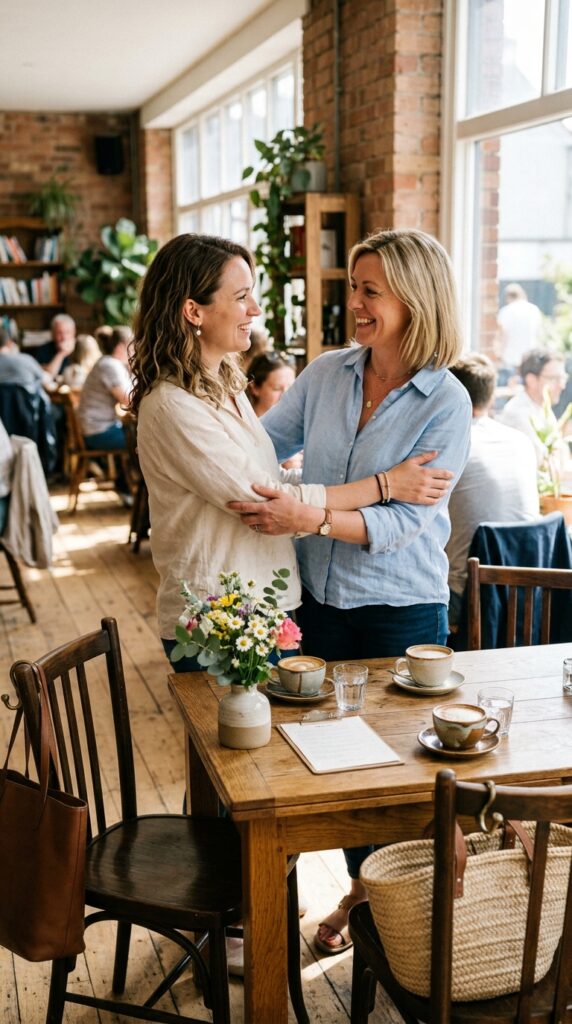
Awareness of personal space makes people feel safer and more relaxed around you. It includes asking before touching someone’s hair, bag, phone, clothing, or personal items. It also means noticing whether a person seems comfortable with hugs or close conversation.
Pause before reaching for something that is not yours. Ask, “May I see that?” or, “Would you like a hug?” A lot of people assume friendliness gives automatic permission for physical contact. Respectful distance does not make you cold. It shows awareness. This manner is free. At gatherings, keep your handbag and coat placed neatly so they do not block chairs or shared walkways. A bag hook or small organizer pouch may cost between $8 and $25.
10. Correct Someone Privately and Kindly
Everyone makes social, personal, and professional mistakes. Correcting someone in front of a group can turn useful feedback into embarrassment. A private, calm conversation protects their dignity while still addressing the issue.
Choose a quiet moment and describe what happened without attacking the person’s character. Try, “I wanted to mention this privately,” followed by the specific concern. What I personally love about this approach is that it keeps the focus on solving the problem. Avoid using a sweet tone to hide harsh wording. Kindness should appear in the actual message, not only in the delivery. This habit costs nothing. Preparing the main point in a notebook may cost between $8 and $20 if the conversation feels difficult.

11. Use Elegant Manners When You Disagree
Disagreement does not require sarcasm, humiliation, or a raised voice. You can hold a clear position while leaving room for another person’s perspective. This kind of composure often creates a stronger impression than winning the argument.
Describe the issue, explain your view, and ask a useful question. Phrases such as, “I see that differently,” or, “Can we look at another option?” keep the conversation open. In my experience, the biggest mistake is bringing several old complaints into one current disagreement. Stay with the subject you are discussing. This habit costs nothing. A communication book may cost between $10 and $25, while a workshop can range from $30 to $150 if you want structured practice.

12. Return Borrowed Items in Good Condition
Returning something clean, complete, and on time communicates respect. Whether you borrow a book, dress, kitchen dish, charger, or tool, caring for it shows that you value both the item and the person who trusted you with it.
Set a reminder as soon as you borrow something. Keep the item in a clear place where it will not be lost or damaged. A common mistake is waiting until the owner asks for it several times. Return it promptly and mention any damage honestly. This manner is usually free. A reusable garment bag, book sleeve, or storage pouch may cost between $8 and $30 if it helps protect borrowed belongings.
13. Be a Considerate Guest
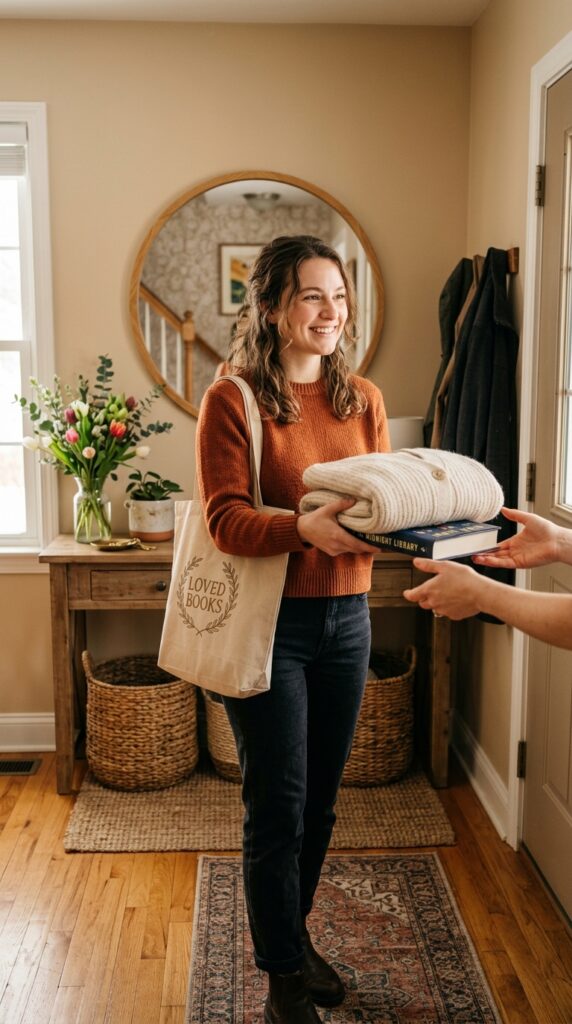
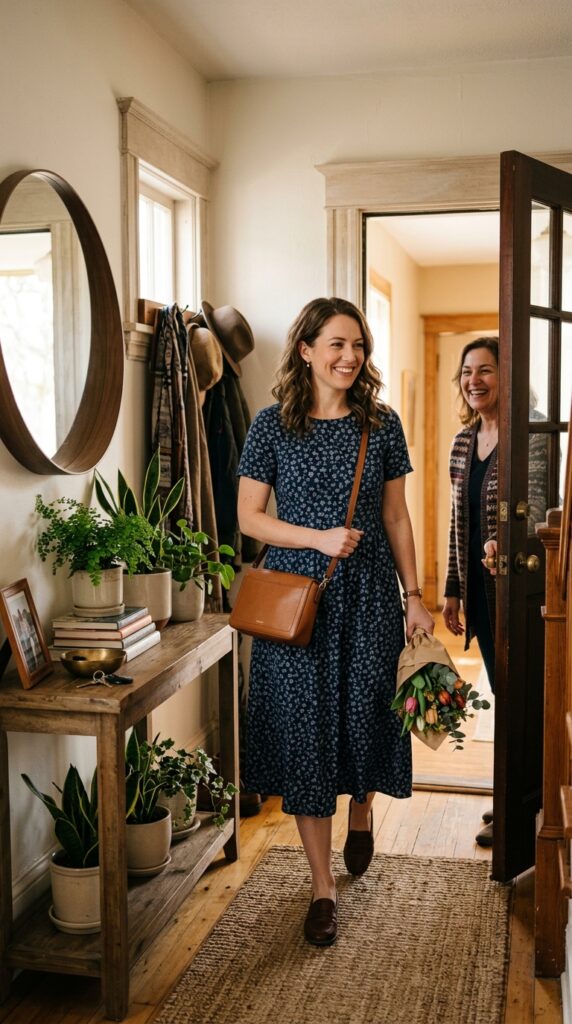
A considerate guest notices the host’s effort without expecting constant attention. Arriving as agreed, following house rules, offering reasonable help, and leaving at an appropriate time can make your visit enjoyable for everyone.
Ask what you can bring and whether shoes should be removed. Offer to carry a dish or clear a few cups, but avoid reorganizing the host’s kitchen without permission. A lot of people stay so late that the host must give increasingly obvious signals. Pay attention to the planned ending and the energy in the room. A small host gift such as flowers, tea, or dessert may cost between $8 and $30, but it is not always necessary. A sincere message afterward can be enough.
14. Keep Shared Spaces Pleasant
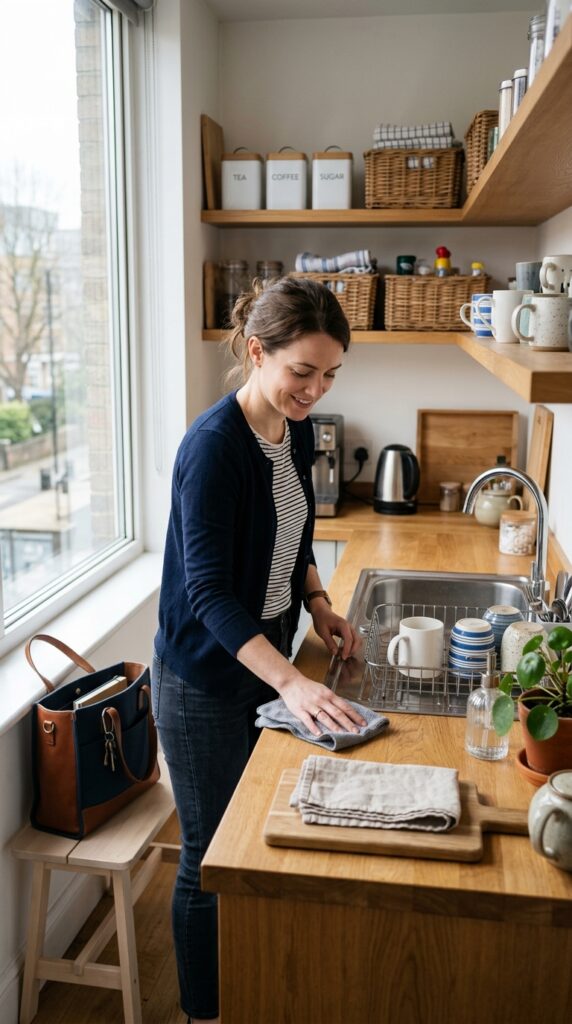
Elegant manners extend to spaces used by strangers, coworkers, roommates, and family. Cleaning up after yourself, lowering unnecessary noise, and returning shared items helps the environment feel calmer for everyone.
Wipe the table after eating, remove hair from a shared sink, return supplies, and avoid playing loud audio without headphones. In my experience, the biggest mistake is assuming someone else is responsible because the space does not belong to you personally. Leave it at least as usable as you found it. This habit costs little or nothing. A small pouch with tissues, sanitizing wipes, and headphones may cost between $10 and $30 and can help when you spend long days away from home.
15. Say No Without Becoming Harsh
Good manners do not require accepting every request. A clear refusal can be respectful when it is delivered early and without unnecessary blame. Boundaries often prevent the resentment that develops after agreeing to something you cannot manage.
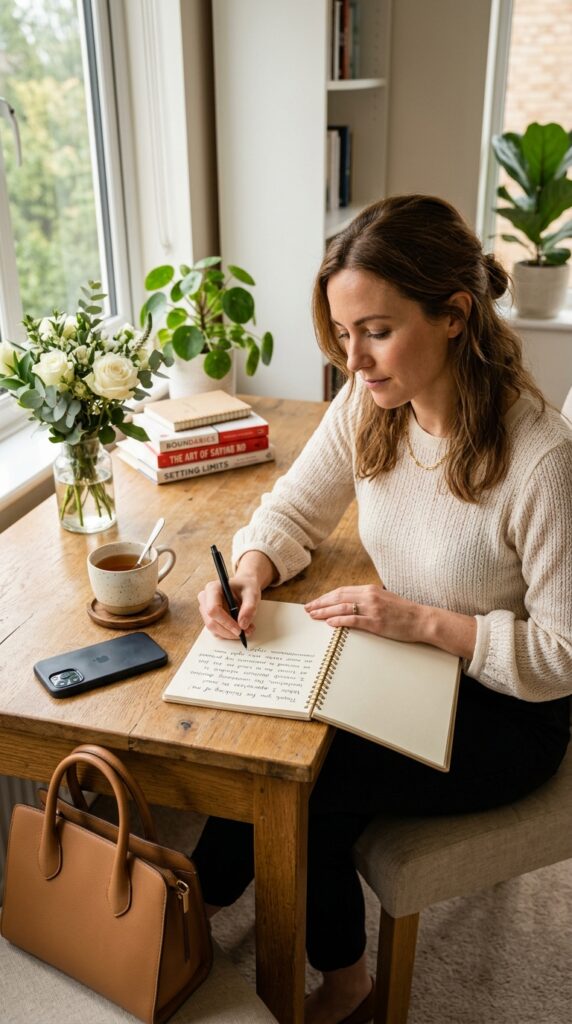
Use a short phrase such as, “Thank you for asking, but I cannot commit,” or, “That does not work for me.” Avoid inventing a complicated excuse that may create more questions. What I personally love about this manner is that honesty can remain warm. You do not need to sound apologetic for having reasonable limits. This practice costs nothing. Writing several responses in a journal or notes app can help you feel prepared before the next request.
16. End Conversations and Visits With Warmth
A thoughtful goodbye gives a conversation a clear and pleasant ending. Thanking someone for their time, mentioning something you enjoyed, and leaving without disappearing suddenly can make the interaction feel complete.
At a gathering, say goodbye to the host before leaving. After a meeting, thank the person and confirm the next step if needed. A lot of people continue a conversation after they have already said they need to go, creating an awkward extended exit. Keep the farewell sincere and brief. This manner costs nothing. A follow up message may be useful after an interview, dinner, or meaningful visit. Written cards may cost between $10 and $25 when the occasion deserves something more personal.

Elegance Begins With How You Treat People
Elegance is not limited to formal dinners, expensive clothing, or knowing every traditional etiquette rule. It appears in daily moments. Listening without interrupting, arriving on time, respecting personal space, and correcting someone privately can make people feel valued and comfortable.
These 16 feminine manners that make you appear more elegant are not meant to turn your personality into a performance. Begin with one or two habits that would improve your everyday interactions. You might practice clearer greetings, put your phone away during meals, or prepare a calm response for situations where you need to say no.
A polished appearance does not require a huge budget, and neither do thoughtful manners. Most of these habits cost nothing. They grow through awareness, repetition, and a willingness to consider how your actions affect others.
Which feminine manner would you practice first? I’d love to hear what you’re planning.
Frequently Asked Questions
What makes a woman appear elegant?
Elegance often comes from composure, kindness, clear communication, and respect for others. Clothing can support the impression, but behavior usually leaves a longer lasting memory. You do not need to become quiet or formal to appear elegant.
Can feminine manners still include strong boundaries?
Yes. Good manners do not require saying yes to every request. A calm, direct refusal can be both respectful and firm. Clear boundaries often prevent conflict and resentment.
How can I improve my manners without seeming fake?
Choose one habit that fits your real values and practice it consistently. Use natural wording rather than copying overly formal phrases. The behavior will feel more genuine when it comes from consideration rather than fear of judgment.
What are the most important manners to learn first?
Begin with greeting people, listening fully, saying thank you, arriving on time, and respecting personal space. These habits apply in social, family, and professional settings. They also require little preparation or money.
Do elegant manners change between cultures?
Yes. Greetings, table customs, personal space, clothing expectations, and forms of respect vary between cultures and families. Observe the setting and ask polite questions when you are unsure. Avoid assuming that one tradition is the only correct way to behave.