
18 Self-Care Activities for When You Feel Overwhelmed
When everything feels urgent, even simple choices can become tiring. Your room may feel too noisy, your phone keeps demanding attention, and your list seems to grow faster than you can manage it. On days like this, self care can sound like another task you are expected to complete.
These self-care activities for when you feel overwhelmed are not about creating a complicated routine or fixing your whole life in one afternoon. They are small ways to reduce pressure, care for your basic needs, and make the next hour feel more manageable. Some take five minutes. Others give you permission to slow down for the rest of the evening.
You will find calming home rituals, simple food ideas, gentle movement, practical decluttering tips, and ways to ask for support. Most cost nothing or use items you already have. Choose the activity that feels easiest rather than the one that seems most impressive. When your energy is low, a small act of care still counts.
1. Create a Ten Minute Reset Corner
A reset corner gives you one calm place to land when the rest of the room feels busy. It might be one end of the sofa, a chair near a window, or a clean section of your bed. Add a soft cushion, fresh cotton throw, warm lamp, and a small tray for water or tea. The goal is not to redecorate. You are simply creating a quieter visual space where your mind can pause.
Clear only the area you plan to use. Move laundry, unopened mail, and extra objects into a basket to sort later. Set a timer for ten minutes so the task does not become a full room makeover. In my experience, the biggest mistake here is trying to clean everything before allowing yourself to sit down. Use what you already own, or spend $10 to $30 on a cushion, small basket, or soft lamp bulb.
2. Put Your Phone in Another Room
Constant notifications can make an overwhelmed mind feel even more crowded. Placing your phone out of reach creates a small pocket of quiet. The room may suddenly feel slower, with only the sound of a fan, distant traffic, or fabric moving as you settle into a chair. Even ten minutes without scrolling can give your attention somewhere softer to rest.
Choose a specific time, such as fifteen or twenty minutes, and leave your phone on a charger in another room. Tell anyone who may need you that you are taking a short break. Use a kitchen timer if you are worried about losing track of time. Avoid replacing your phone with another screen, since the purpose is to reduce input. This activity costs nothing. A basic alarm clock may cost $8 to $20 if your phone usually stays beside your bed.
3. Drink Water and Eat Something Simple
Overwhelm often feels stronger when you have gone too long without water or food. A cool glass of water, a warm piece of toast, or a small bowl of fruit can make the moment feel steadier. This is not about preparing a beautiful meal. It is about giving your body something reliable when decision making feels difficult.
Choose food that takes less than five minutes to prepare. Try yogurt with fruit, toast with peanut butter, cheese and crackers, a banana, soup, or a simple sandwich. Keep a few easy options visible in the fridge or pantry for demanding days. A lot of people skip this step, but it makes all the difference when low energy is adding to the stress. Avoid waiting until you feel ready to cook a full meal. A simple snack usually costs $1 to $5.
4. Wash Your Face Slowly
Washing your face can mark a gentle break between a difficult moment and whatever comes next. Warm water, a soft towel, and a clean surface can feel grounding when your thoughts are moving too quickly. It also gives you one small task with a clear beginning and end.
Use a gentle cleanser you already trust and lukewarm water. Take your time around the forehead, cheeks, and jaw, then pat the skin dry instead of rubbing. Apply a simple moisturizer if that is part of your normal routine. Avoid trying new active products when you already feel stressed, since irritation can create another problem to manage. A basic cleanser and moisturizer may cost $10 to $30, but this activity can be free when you use products already in your bathroom.
5. Clear One Small Surface
Visual clutter can make a difficult day feel louder. Clearing one bedside table, desk corner, or bathroom counter gives your eyes a cleaner place to rest. You may notice the smooth wood, folded linen, or warm lamp more clearly once loose receipts, cups, and small objects are gone.
Pick a surface no larger than a kitchen tray. Throw away rubbish, return obvious items to their homes, and place anything uncertain in one temporary basket. Stop when that single area is clear. Do not use the activity as a reason to begin a full decluttering project. I always recommend this when someone wants relief without changing everything at once. A small basket or tray may cost $8 to $25, though a reusable box or shopping bag works just as well.
6. Take a Warm Self-Care Shower
A warm shower can soften the sense that the entire day is sitting on your shoulders. The sound of water creates a temporary barrier from noise, while clean skin and fresh clothes can help you feel more settled. Keep the experience simple, with a soft towel and products that smell familiar.
Set out comfortable clothes before you begin so you do not need to make another decision afterward. Use warm rather than very hot water, and choose one step to enjoy slowly, such as washing your hair or using a gentle body wash. Avoid turning the shower into a long beauty routine when your energy is low. A fresh towel, body wash, or shower cap may cost $5 to $25, but you can create the same calming effect with what you already have.
7. Write Everything Down Without Organizing It
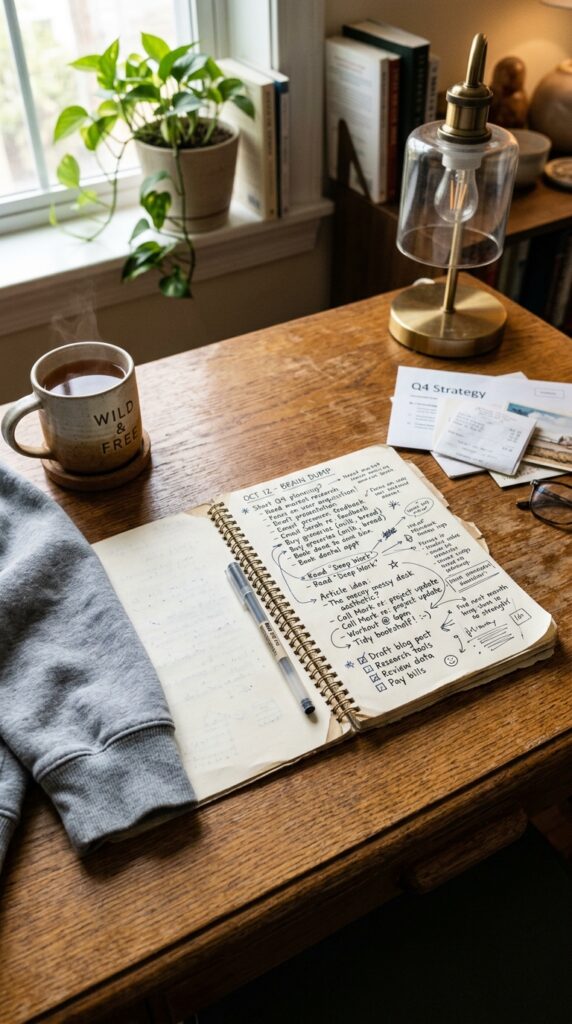
When several thoughts are competing for attention, putting them on paper can make them feel less slippery. A brain dump does not need neat handwriting, categories, or a polished journal page. It can be a messy collection of tasks, worries, reminders, and things you do not want to forget.
Use one sheet of paper and write continuously for five minutes. Do not arrange the list while you are writing. When you finish, circle only one item that needs attention today. Everything else can wait for another review. What I personally love about this is that it moves the pressure out of your head without asking you to solve every problem. Avoid turning the page into a detailed productivity plan. A notebook may cost $3 to $15, though scrap paper works just as well.
8. Choose One Small Next Step
Overwhelm often grows when every task appears equally important. Choosing one small action creates a narrow path forward. That action may be answering one message, loading the washing machine, putting a plate in the sink, or opening the document you have been avoiding.
Ask yourself, “What would make the next thirty minutes easier?” Choose a task that takes ten minutes or less. Complete it before selecting another one. If the task has several parts, reduce it until the first step feels clear. For example, do not plan to organize the closet. Place the clean clothes on hangers. Avoid writing a fresh list of twenty tasks once you finish. This activity is free and works best when the goal is relief rather than catching up on everything.

9. Step Outside for Five Minutes
A change in air, temperature, and light can interrupt the feeling of being trapped inside a difficult moment. You do not need a long walk or a scenic route. Standing on a balcony, porch, front step, or near an open window can give your senses something new to notice.
Leave your phone indoors and spend five minutes observing simple details. Notice the color of the sky, the sound of leaves, the shape of nearby buildings, or the feeling of air on your skin. Wear soft layers or comfortable shoes so the activity does not require preparation. Avoid turning this into a workout goal or measuring distance. The activity is free. A light cardigan or reusable water bottle may cost $10 to $30 if you need one for regular outdoor breaks.

10. Change Into Soft, Clean Clothes
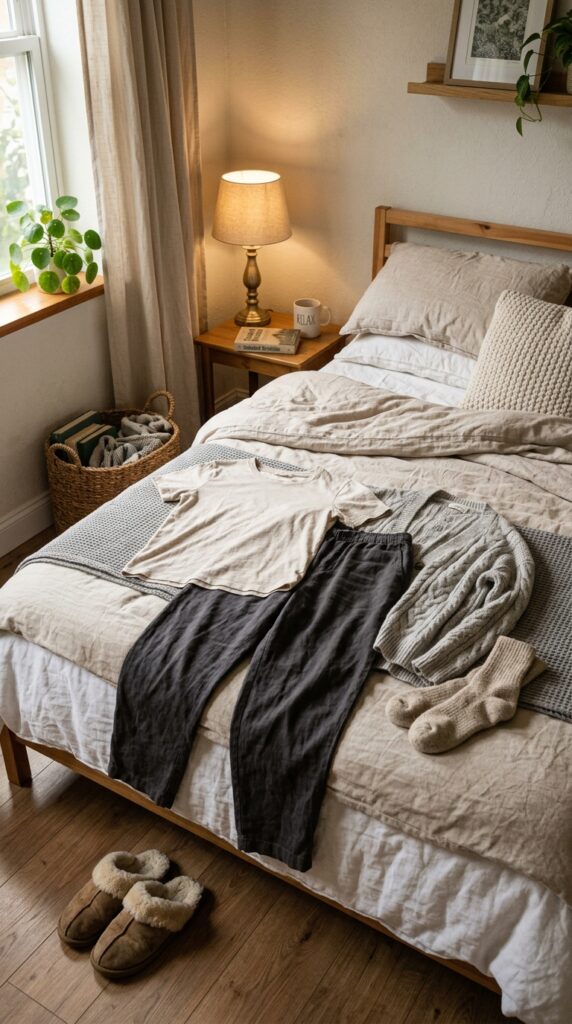
Uncomfortable clothing can add a low level of irritation when you are already overwhelmed. Changing into a soft cotton shirt, loose trousers, or fresh pajamas can make your body feel less restricted. Clean fabric and a familiar texture create an immediate sense of comfort without requiring much effort.
Choose clothes that do not pinch, itch, or need adjusting. Set aside one reliable comfort outfit in an easy to reach drawer or basket. This might include a loose T shirt, soft leggings, socks, and a light cardigan. Avoid saving all your comfortable clothes for bedtime or weekends. You are allowed to wear them when the day feels difficult. Use pieces you already own, or spend $15 to $50 on one breathable set that washes easily and fits your normal routine.
11. Make a Quiet Drink Ritual
Preparing a warm or cold drink gives your hands a slow, familiar sequence to follow. The sound of water pouring, the warmth of a ceramic mug, and the scent of tea or coffee can help the room feel more settled. The ritual matters more than choosing a special recipe.
Pick a drink that feels comforting and does not require many steps. Tea, warm milk, decaf coffee, lemon water, or chilled fruit water can all work. Use a mug or glass you enjoy and sit down while you drink it. Avoid carrying the cup from room to room while continuing chores. The point is to pause. This activity may cost less than $1 per serving. A favorite mug, small tray, or tea tin may cost $5 to $20 if you want to create a simple drink station.

12. Rest Without Watching or Reading Anything
When you feel overwhelmed, entertainment can sometimes become more input rather than real rest. Sitting or lying down without a show, podcast, or social feed gives your mind a quieter type of break. At first, the stillness may feel unfamiliar, but you do not need to make it productive.
Set a timer for ten minutes and lie on the sofa or bed. Close your eyes, soften your jaw, and let your hands rest somewhere comfortable. Use a light blanket or an eye pillow if that helps. You do not need to meditate or control your thoughts. Avoid judging yourself if your mind stays busy. The purpose is simply to stop adding new information. This activity is free. A soft eye mask or light throw may cost $8 to $25.

13. Make a Done List
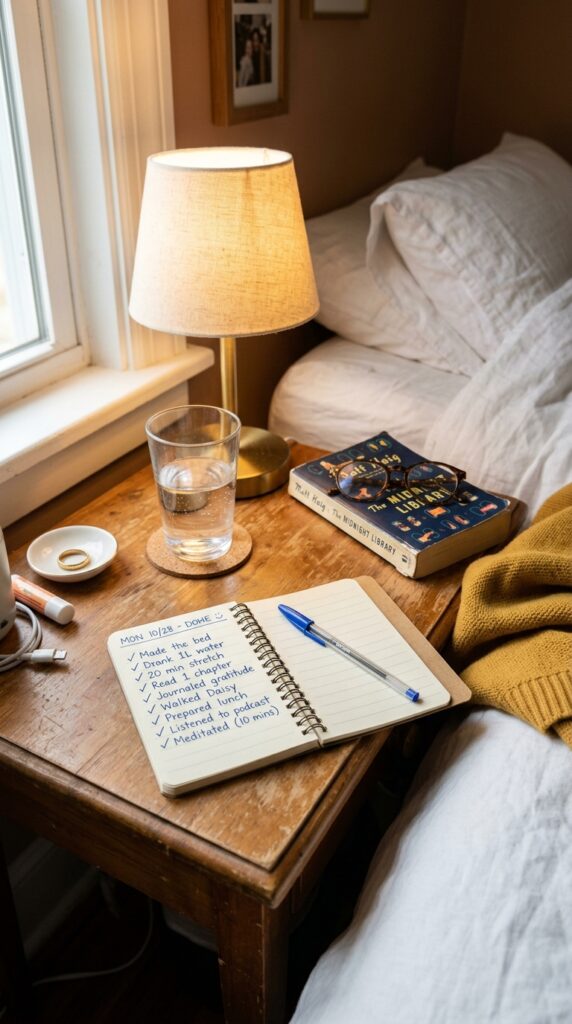
A long task list shows everything waiting for you. A done list shows what you have already carried through the day. Writing down completed actions can soften the belief that you have achieved nothing, especially when basic tasks required more energy than usual.
List anything you finished, including getting dressed, feeding a pet, attending a meeting, washing a cup, or replying to one message. Keep the list factual and do not compare it with what you planned to complete. A lot of people dismiss small actions, but they still required time and effort. Avoid adding unfinished tasks to the bottom of the page. Use a separate sheet for those later. A notebook and pen may cost $3 to $15, but any scrap paper will do.
14. Stretch Your Neck, Hands, and Shoulders
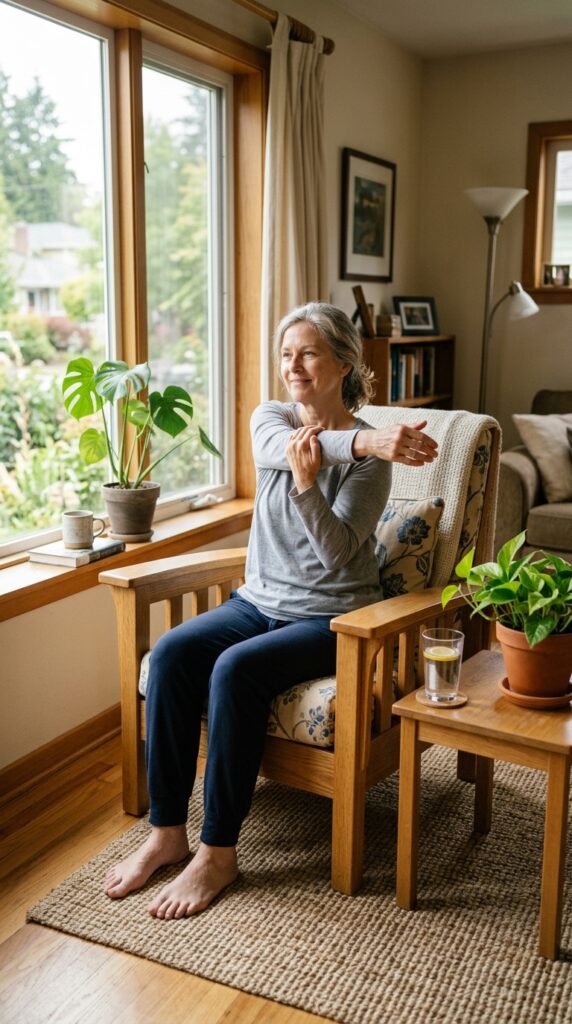
Stress often settles into the places you hold still while working, driving, or scrolling. Your shoulders may creep upward, your hands feel tight, and your jaw remains tense without you noticing. A few slow movements can help you reconnect with your body without turning the moment into a workout.
Sit in a supportive chair and lower your shoulders away from your ears. Gently turn your head from side to side, open and close your hands, and roll your shoulders slowly. Keep every movement within a comfortable range. Stop if anything hurts or causes dizziness. Avoid forcing a deep stretch because stronger is not always more helpful. This activity costs nothing. A supportive cushion or simple exercise mat may cost $10 to $35 if you use gentle stretching regularly.
15. Postpone One Nonessential Task
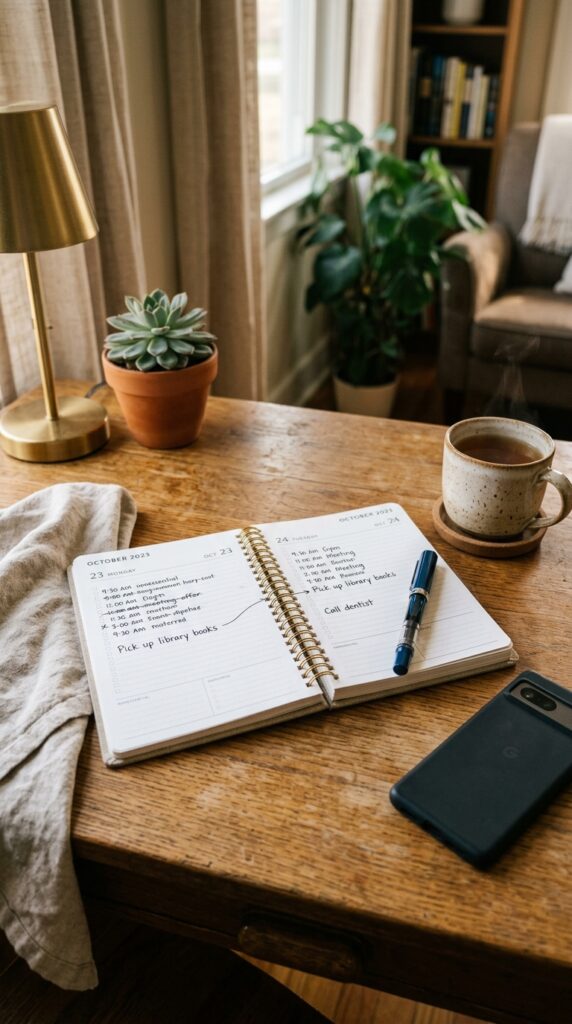
Sometimes self care means removing something rather than adding another activity. Postponing one low priority task can create needed space in the day. The relief may be small, but it can help you focus on food, rest, work, or another responsibility that truly cannot wait.
Look at your plans and choose one task that has no serious consequence if moved. This could be folding laundry, making a social call, shopping for a nonurgent item, or completing an optional errand. Reschedule it clearly so it does not keep circling in your mind. Avoid postponing bills, medication, safety matters, or urgent commitments. This activity is free. In my experience, the biggest mistake is feeling guilty enough to replace the cancelled task with another demand.
16. Prepare the Easiest Possible Meal
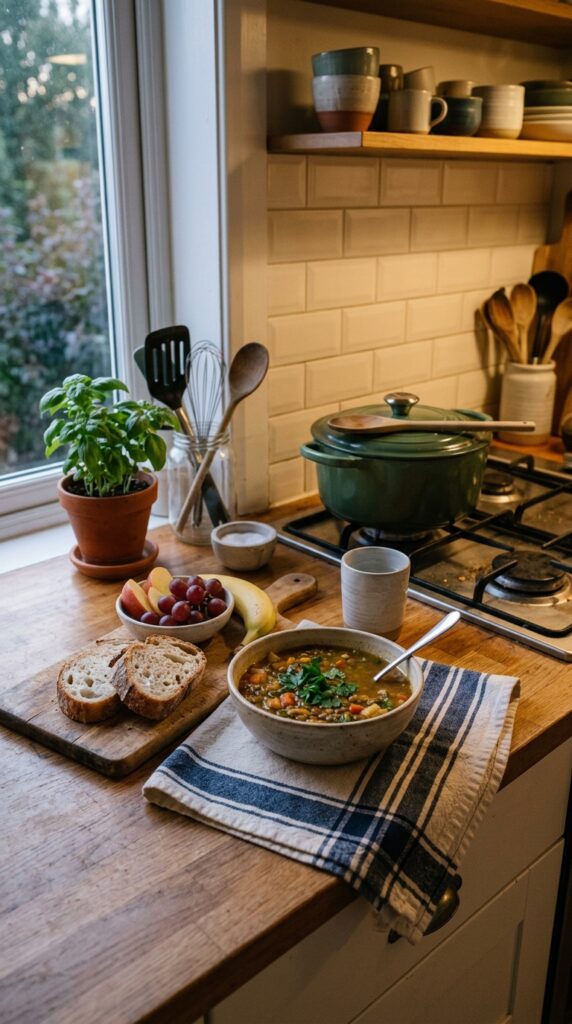
Cooking can feel impossible when you are overwhelmed, yet skipping dinner may leave you feeling worse later. An easy meal can be warm, filling, and simple enough to prepare without many decisions. Think of soup with bread, scrambled eggs, rice with vegetables, pasta with jarred sauce, or a freezer meal with fruit on the side.
Choose the option with the fewest steps and use convenience foods without guilt. Frozen vegetables, precut fruit, canned soup, and prepared rice can reduce effort. Keep cleanup small by using one pot, tray, or bowl. Avoid choosing a new recipe when your attention is already stretched. A simple meal may cost $3 to $10 per serving. Keeping two reliable freezer or pantry meals at home can make future overwhelmed evenings easier.
17. Ask Someone for Practical Help
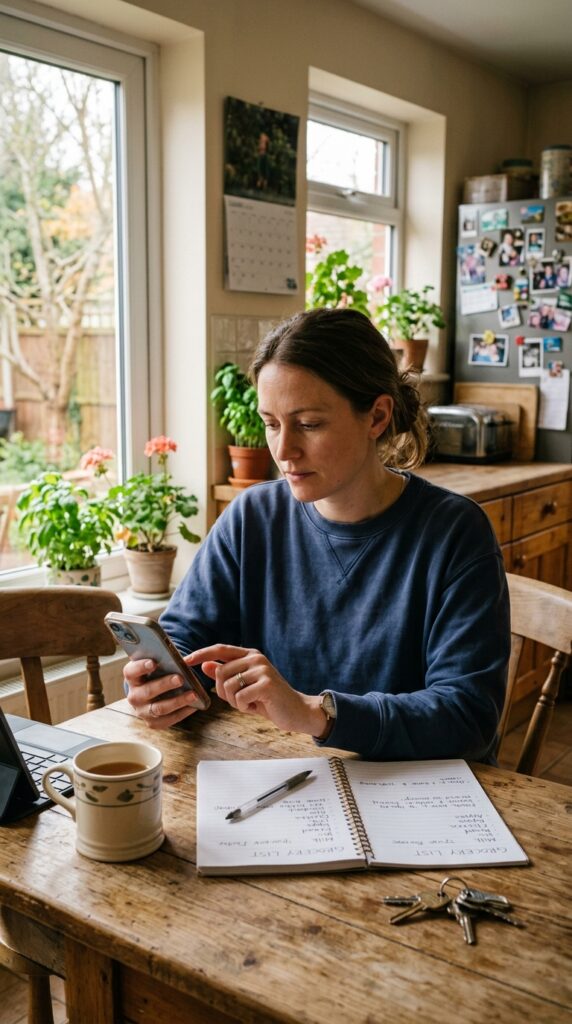
Support can feel easier to request when you ask for one clear action. Instead of explaining every part of a difficult day, you might ask someone to pick up groceries, sit with you while you make a phone call, watch the children for an hour, or send a reminder tomorrow.
Choose a person who has been dependable and make the request specific. You can say, “I am feeling overloaded today. Could you bring dinner?” or “Can you help me decide which task needs attention first?” Give them room to say whether they are available. Avoid hinting and hoping they guess what you need. Clear requests reduce confusion for both people. This activity may cost nothing, though returning the kindness later can strengthen mutual support.
18. Build a Gentle Bedtime Landing
An overwhelmed day can follow you into bed through unfinished tasks, bright screens, and anxious planning. A gentle bedtime landing helps the room become quieter before you expect yourself to sleep. Fresh cotton bedding, dim light, and one simple routine can create a softer ending even when the day did not go as planned.
Choose three easy steps, such as plugging in your phone across the room, washing your face, and reading two pages of a familiar book. Lower the lights thirty minutes before bed and set out anything you need for the morning. Avoid trying to create a long evening schedule that becomes another source of pressure. Use what you own, or spend $10 to $35 on a warm bulb, pillowcase, or small bedside basket.

Final Thoughts on Self-Care Activities for When You Feel Overwhelmed
Self care does not need to look impressive, expensive, or carefully planned. When you are overwhelmed, the most useful activity is often the one that asks the least from you. Drinking water, changing your clothes, clearing one surface, or postponing a nonessential task can create enough space to help you reach the next part of the day.
Choose one or two self-care activities for when you feel overwhelmed rather than trying to complete the entire list. You might make a simple meal and put your phone in another room. Tomorrow, a short walk or brain dump may feel more supportive. Your needs can change from one day to the next.
Most of these ideas cost nothing, and none require a new lifestyle or a beautiful home. Start with the resources, time, and energy you have. If overwhelm becomes constant, affects daily functioning, or feels too heavy to manage alone, consider talking with a qualified health professional or someone you trust.
Which activity would you try first? I’d love to hear what might make today feel a little easier.
What is the easiest self care activity when I feel overwhelmed?
Start with a basic physical need. Drink water, eat a simple snack, use the bathroom, or change into comfortable clothes. These actions require fewer decisions and may make the next step feel clearer. Choose only one activity at first.
How do I practice self care when I have no energy?
Reduce the activity until it feels manageable. Instead of cleaning a room, clear one small surface. Instead of taking a long walk, stand outside for two minutes. Resting, eating, and asking for help also count as care.
Can cleaning be a form of self care?
Cleaning can help when one small area is creating visual stress. The task should have a clear limit, such as clearing a bedside table or washing five dishes. It stops being restorative when you pressure yourself to finish the entire home. Use a timer and stop when it rings.
What should I avoid when I feel overwhelmed?
Avoid adding a complicated routine, making major decisions too quickly, or expecting yourself to solve every problem at once. Too much scrolling, skipping meals, and staying in an uncomfortable environment may also increase stress. Focus on safety, basic needs, and one manageable next step.
When should I seek more support?
Consider professional support when overwhelm is frequent, lasts for a long time, disrupts sleep or daily tasks, or feels impossible to manage alone. You can begin by contacting a doctor, counselor, or another qualified health professional. Reaching out to a trusted person can also help you take that first step.