15 Feminine Confidence Tips to Feel Secure in Yourself
Confidence can feel difficult when you compare your appearance, progress, personality, or lifestyle with people around you. You may dress carefully and still question yourself the moment you enter a room. One awkward conversation or critical comment can leave you replaying the situation for hours.
These 15 feminine confidence tips to feel secure in yourself focus on habits you can practice in real life. Confidence does not require a loud personality, expensive wardrobe, flawless appearance, or constant positivity. It can look like speaking clearly, keeping a promise to yourself, wearing comfortable clothes, or leaving a conversation that feels disrespectful.
Each idea includes a practical way to begin, one common mistake to avoid, and an approximate cost where a small tool may help. Some changes are completely free. Others involve organizing your wardrobe, creating a calming space, or investing in a useful class. Begin with one or two areas that currently make you feel uncertain. Confidence grows more naturally when your daily actions repeatedly show that you can trust yourself.
1. Build Feminine Confidence by Keeping Small Promises
Confidence becomes stronger when you trust your own word. A small promise might involve preparing breakfast, taking a short walk, sending an important email, or putting your clothes away before bed. Completing it creates a quiet sense of reliability that does not depend on praise from anyone else.
Choose one action you can finish within the next day. Write it in a notebook and complete it before adding another goal. In my experience, the biggest mistake is beginning with a demanding routine that requires several hours or major lifestyle changes. Start with something clear and manageable. A simple notebook may cost between $8 and $20, although a note on your phone works just as well. The point is not to create a beautiful planner. It is to show yourself that your decisions can lead to action.
2. Improve Your Posture Without Becoming Stiff
Relaxed posture can help you feel more settled when entering a room or speaking with someone new. Soft shoulders, a lifted chest, and steady steps create a calm presence. The goal is not to hold your body in a rigid pose. It is to move without shrinking yourself.
Check your posture while sitting at a desk, walking, and looking at your phone. Keep both feet supported, bring screens closer to eye level, and release tension from your jaw. What I personally love about this habit is that it can change how an outfit feels without buying new clothes. Avoid pulling your shoulders back so strongly that your neck becomes tense. Gentle stretching is more useful than forcing one position. A laptop stand may cost between $20 and $50, while posture reminders and simple movement breaks are free.
3. Wear Clothes That Let You Move Comfortably
Clothing can support confidence when it fits your real body and daily routine. Soft denim, breathable cotton, relaxed trousers, and dresses that stay in place allow you to focus on conversations and activities instead of constant adjustments. A polished outfit should not require you to hold your breath or check the mirror every few minutes.
Create several outfit formulas from pieces you already enjoy wearing. Check the waist, shoulder seams, sleeve length, fabric, and shoe comfort. A lot of people keep uncomfortable clothes because they hope the fit will improve later. Store or release pieces that make ordinary movement difficult. Basic alterations may cost between $15 and $60, while a fabric shaver or small steamer can refresh existing items for $15 to $50. Build your outfit inspiration around comfort first, then add jewelry, a scarf, or a handbag.
4. Speak Clearly and Leave Space Between Words
A calm speaking pace helps your thoughts feel easier to organize. You do not need to lower your natural voice or use complicated vocabulary. Clear sentences, a steady volume, and short pauses can make you feel more present in conversations.
Practice by recording a one minute voice note about your day. Listen for places where you rush, trail off, or apologize without a reason. Pause for one breath before answering an important question. In my experience, the biggest mistake is trying to sound sophisticated by choosing words that do not feel natural. Simple language often sounds more secure. This practice costs nothing. A small notebook for preparing a presentation, interview, or difficult conversation may cost between $8 and $20. Focus on communicating your point rather than controlling every detail of how you sound.
5. Use Feminine Confidence Tips to Set Clear Boundaries
Confidence includes knowing when a request, conversation, or commitment does not work for you. A boundary can be calm and respectful. It may sound like, “I cannot commit to that,” or, “I am not comfortable discussing this.” Clear language protects your time without requiring anger.
Write several short responses for situations that often make you feel pressured. Practice saying them aloud so the words feel familiar. What I personally love about this approach is that you do not need to create a new answer while feeling nervous. Avoid giving a long explanation when a brief response is enough. Detailed excuses can invite someone to question every reason. Boundary practice costs nothing, while a journal may cost between $8 and $25. Begin with smaller situations, then use the same calm tone when the stakes feel higher.
6. Stop Apologizing for Ordinary Needs
An apology is useful when you have caused harm or inconvenience. It becomes less helpful when you apologize for asking a question, taking a break, needing clarification, or having a reasonable preference. Repeated unnecessary apologies can make you sound uncertain even when your request is valid.
Replace “Sorry to bother you” with “Do you have a moment?” Replace “Sorry, I need more time” with “I can complete this by Thursday.” Notice which phrase you use most and practice one alternative. A common mistake is removing warmth along with the apology. You can remain polite by adding “please,” “thank you,” or a clear explanation. This habit costs nothing. Keep a short list of replacement phrases inside your notes app or on a small card. Confidence grows when you communicate needs without treating your presence as a problem.
7. Keep a Record of What You Handle Well
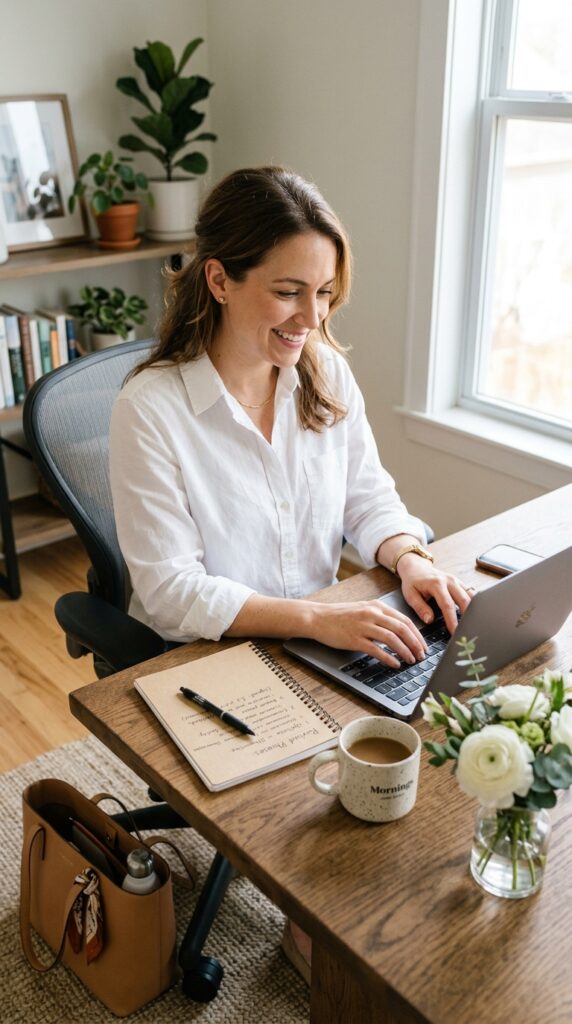
Self doubt often remembers every mistake and ignores ordinary successes. A written record helps you notice moments when you solved a problem, stayed calm, learned something, or followed through. These examples give you real evidence when your confidence drops.
At the end of each week, write three things you handled well. They can be small, such as asking for help, preparing a meal, attending an event alone, or completing a difficult task. In my experience, the biggest mistake is recording only large achievements. Everyday courage matters too. A notebook may cost between $8 and $25, but a private phone document is free. Review your list before an interview, presentation, social event, or new challenge. You are not trying to prove that you never struggle. You are reminding yourself that struggle has not stopped you from acting.

8. Learn One Skill That Makes You Feel Capable
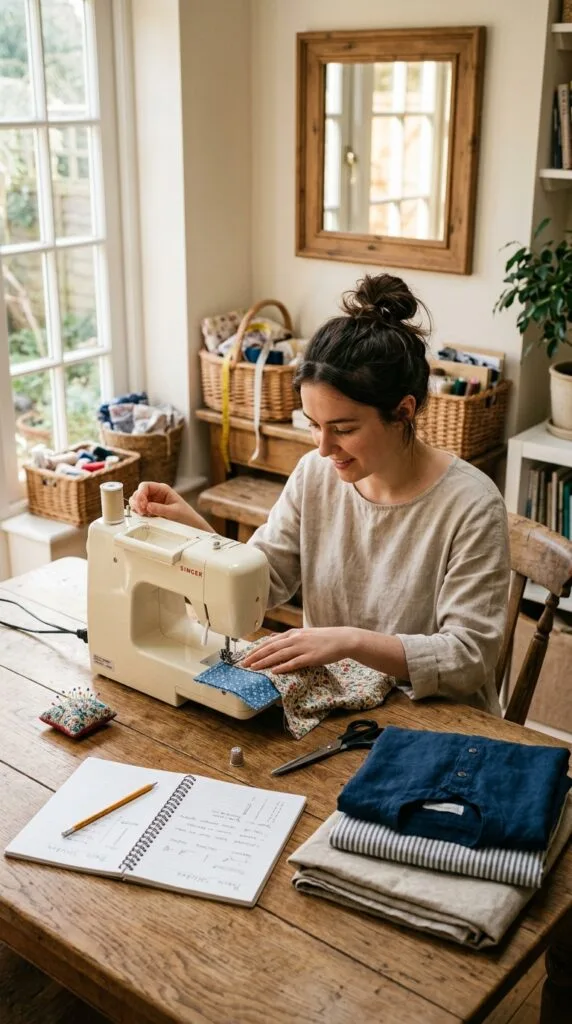
Competence creates a stable form of confidence because it comes from practice. Cooking several reliable meals, learning basic sewing, improving public speaking, managing a budget, or taking a dance class can remind you that abilities grow over time.
Choose a skill connected to your real life rather than something that only looks impressive online. Practice it once or twice each week and record what improves. A lot of people switch hobbies as soon as they feel awkward. Early discomfort is a normal part of learning. Free tutorials and library books may be enough to begin. A local class can cost between $15 and $100 per session, depending on the subject. What I personally love about skill based confidence is that progress belongs to you. It does not disappear when someone else receives attention or praise.
9. Care for Your Appearance Without Using It as Proof
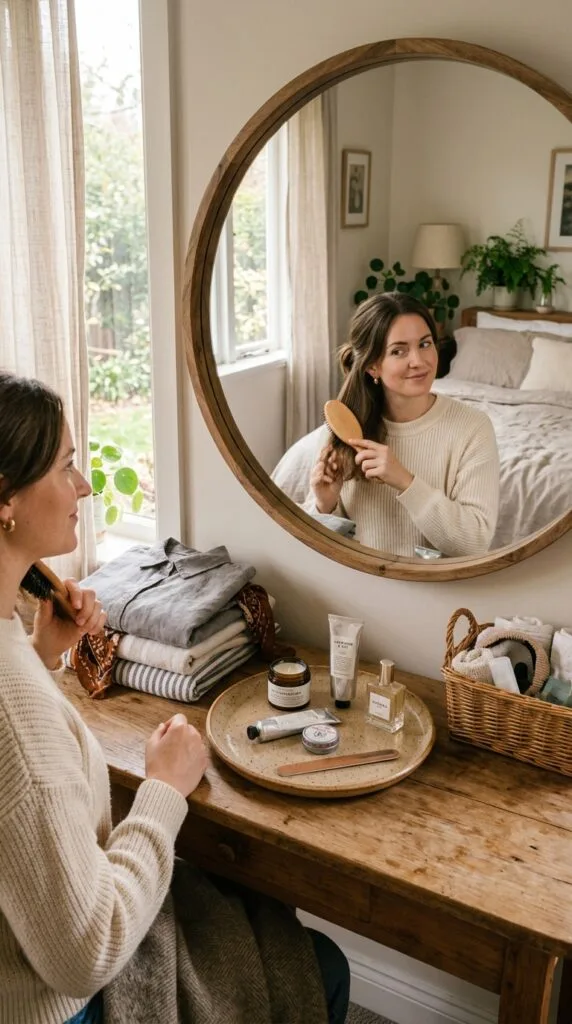
Hair care, fresh clothing, moisturized skin, and neat nails can help you feel prepared. These routines become less supportive when you believe you must look a certain way to deserve respect. Personal grooming should serve your comfort rather than determine your worth.
Create a short routine that fits ordinary mornings. Keep daily products together on one tray and store backups in a drawer. A lot of people buy several beauty products when they feel insecure, then become overwhelmed by the clutter and expense. Finish what works before purchasing more. A simple grooming collection may cost between $25 and $80, depending on your needs. Use makeup, fragrance, or nail color because you enjoy them, not because you need to hide before leaving home.
10. Build Confidence by Entering Rooms More Calmly
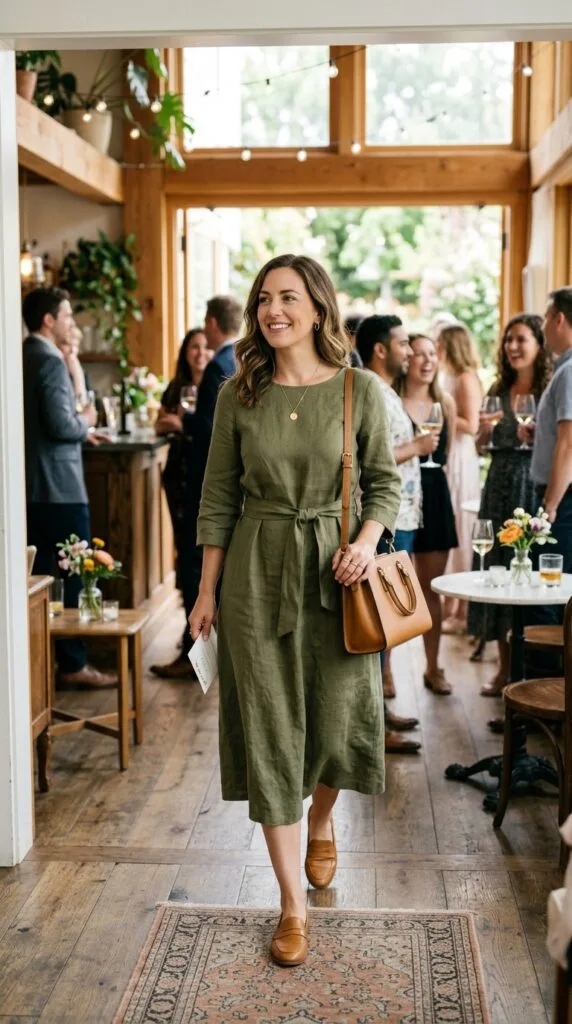
Walking into a meeting, party, class, or appointment can trigger a rush of self awareness. Preparing before you enter can make the moment feel less overwhelming. A steady breath, relaxed hands, and a clear place to put your belongings create a calmer first few minutes.
Pause before opening the door. Put away your phone, adjust your bag once, and look for one practical next step, such as greeting the host or finding your seat. In my experience, the biggest mistake is scanning the room to see who may be judging you. Look instead for where you need to go. Comfortable shoes and an organized handbag can also reduce distractions. Bag pouches may cost between $8 and $25, while practicing a calmer entrance costs nothing.
11. Spend Less Time Comparing Your Timeline
Comparison can make your real progress feel invisible. Someone else may be reaching a career goal, buying a home, changing their style, or building a relationship at a different time. Their achievement does not create a deadline for your life.
Notice which accounts, conversations, or situations leave you feeling smaller. Mute content that repeatedly triggers unhealthy comparison and spend more time with information that teaches or encourages you. A common mistake is following people out of obligation even when their content affects your mood. Curating your feed costs nothing. Use that saved time for a walk, book, hobby, or task related to your own goal. Confidence becomes steadier when your attention returns to the choices available to you today.

12. Choose Relationships That Allow You to Relax
Supportive relationships do not require you to perform constantly. You can speak honestly, change your mind, ask for space, and share good news without expecting ridicule. Feeling safe around people helps your natural personality become more visible.
Pay attention to how you feel after spending time with someone. Do you feel respected and steady, or anxious and confused? Make more room for relationships that include listening, trust, and mutual care. What I personally love about this reflection is that it focuses on patterns rather than one awkward moment. Avoid expecting every friend to meet every emotional need. Different relationships can offer different forms of connection. A walk or phone call can be free, while hosting tea at home may cost between $5 and $20.

13. Prepare Instead of Waiting to Feel Fearless
Confidence often appears after you begin, not before. Preparation gives nervous energy somewhere useful to go. Choosing your outfit, reviewing directions, practicing your introduction, and packing what you need can make an unfamiliar situation feel more manageable.
The night before an important day, create a short checklist. Prepare clothing, shoes, documents, water, and travel details. A lot of people continue researching until they become more anxious. Decide when preparation is complete and allow yourself to rest. This habit can cost nothing. An entryway tray, garment steamer, or small bag organizer may cost between $10 and $50 if it solves a repeated problem. I always recommend this when someone wants to feel more secure without waiting for their personality to change first.

14. Let Compliments Land Without Arguing
Receiving a compliment can feel uncomfortable when your first response is to deny it. Saying “No, I look terrible” or explaining why you do not deserve the praise can turn a warm moment into another opportunity for self criticism.
Practice responding with a simple “Thank you.” You can add, “That means a lot,” or, “I enjoyed choosing this outfit.” Avoid returning a forced compliment immediately because silence feels uncomfortable. Let the other person’s words stand for a moment. In my experience, the biggest mistake is treating acceptance as arrogance. Receiving kindness calmly does not mean you believe you are better than anyone else. This habit is free. Practice it with friends, coworkers, or family members until the response feels natural.

15. Use Feminine Confidence Tips to Trust Your Decisions
Decision making becomes exhausting when you repeatedly ask several people to confirm every choice. Advice can be helpful, but confidence grows when you learn to evaluate information and choose without endless reassurance.
For a small decision, set a time limit and list the two most important factors. Choose the option that meets them, then avoid reopening the question unless new information appears. What I personally love about this method is that it makes decisions feel practical rather than dramatic. Avoid treating every choice as permanent. Many decisions can be adjusted later. This practice costs nothing. A notebook or planner may cost between $8 and $30 if writing helps you compare options. Begin with clothing, meals, schedules, or small purchases before applying the method to larger decisions.

Feel Secure by Building Trust in Yourself
Confidence does not arrive through one outfit, compliment, or successful day. It grows when your choices repeatedly show that you can speak, decide, recover, and care for yourself. Clear boundaries, comfortable clothes, useful preparation, and supportive relationships all contribute to a stronger sense of security.
These 15 feminine confidence tips to feel secure in yourself are not meant to become a demanding checklist. Begin with one or two ideas connected to a current challenge. Practice a short boundary if you often feel pressured, or keep one small promise if you have stopped trusting your own plans.
You do not need an expensive wardrobe, large beauty collection, or polished home to feel more confident. Use what you already own, prepare carefully, and allow your skills to grow through repetition. Quiet confidence is still confidence. You do not need to become louder or less sensitive to take yourself seriously.
Which confidence tip would you try first? I’d love to hear what you’re planning.
Frequently Asked Questions
How can I feel more confident without changing my appearance?
Focus on actions that build self trust. Keep small promises, prepare for important situations, practice clear communication, and learn useful skills. Appearance can support comfort, but it does not need to become the source of your confidence.
Can feminine confidence be quiet?
Yes. Confidence can look like calm speech, clear boundaries, steady posture, and thoughtful decisions. You do not need to dominate conversations or become highly outgoing. A quiet person can still communicate with strength.
Why do I lose confidence around certain people?
Some relationships may trigger comparison, criticism, or pressure. Notice repeated patterns and how you feel after each interaction. Clear boundaries and more time with respectful people may help you feel steadier.
How long does it take to become more confident?
There is no single timeline. Confidence usually grows through repeated experiences rather than one dramatic change. Small daily habits may begin to feel more natural within weeks, while deeper patterns can take longer.
What should I do when I make an embarrassing mistake?
Pause before turning one mistake into a judgment about your whole personality. Correct what you can, apologize when needed, and identify one lesson for next time. Most people remember their own awkward moments more clearly than yours.