16 Feminine Hobbies That Make Life Feel More Fulfilling
Free time can start to feel strangely empty when most of it disappears into scrolling, errands, or watching another show you barely remember. You may want a creative outlet, a calmer weekend routine, or something meaningful that belongs to you, but choosing where to begin can feel overwhelming.
These 16 feminine hobbies that make life feel more fulfilling offer a mix of creative, practical, social, and restorative activities. Some can be enjoyed in a cozy corner at home, while others encourage you to move, learn, spend time outdoors, or connect with your community. None of them require a large budget or advanced talent.
The word feminine can mean something different to everyone. Here, it simply describes hobbies that may feel expressive, nurturing, graceful, curious, or hands on. Anyone can enjoy them.
Each idea includes a realistic way to begin, a useful mistake to avoid, and an approximate starter cost. Choose one hobby that fits your current schedule and interests. You do not need to become skilled quickly. The value often comes from returning to something you genuinely enjoy.
1. Feminine Hobbies That Make Life Feel More Fulfilling Through Journaling
Journaling creates a private place for thoughts that may otherwise circle through your mind all day. A quiet desk, warm lamp, smooth paper, and a favorite pen can turn ten ordinary minutes into a comforting personal ritual. You can write about memories, goals, daily observations, gratitude, or questions you are still working through.
Begin with one page three times a week rather than expecting yourself to write every day. Keep the notebook beside your bed, breakfast table, or reading chair so it stays visible. In my experience, the biggest mistake is trying to make every entry deep or visually beautiful. Honest notes, messy handwriting, and unfinished thoughts still count. A simple notebook and pen may cost between $8 and $25. You can also use an unused school notebook you already own.
2. Learn Simple Watercolor Painting
Watercolor painting offers a gentle way to work with color without needing a large studio. Soft pinks, muted greens, pale blues, and warm browns spread across textured paper in ways that feel loose and expressive. You can paint flowers, fruit, simple landscapes, clothing sketches, or small cards for friends.
Start with a compact paint set, two brushes, watercolor paper, and a jar for water. Practice basic shapes and color mixing before attempting a detailed scene. What I personally love about watercolor is that unexpected marks can become part of the finished piece. Avoid using ordinary printer paper, which may buckle and tear under water. A beginner set usually costs between $20 and $50. Free library books or online demonstrations can help you learn basic brush control without paying for a course.
3. Bake Something Slowly on the Weekend
Baking can make an ordinary afternoon feel warm and purposeful. The scent of cinnamon, vanilla, or fresh bread fills the kitchen, while mixing bowls and folded linen create a comforting rhythm. You can prepare simple muffins, cookies, fruit cake, or bread to share with family and friends.
Choose one reliable recipe and make it several times before trying complicated decoration. Measure ingredients before you begin and clear enough counter space for bowls and cooling trays. A lot of people buy specialty equipment too early, then feel pressured to use it. Begin with a mixing bowl, whisk, measuring cups, and baking tray. Basic tools may cost between $20 and $60, depending on what you already own. Keep notes about baking time and ingredient changes so your results become more consistent.
4. Arrange Fresh or Dried Flowers
Flower arranging combines color, shape, and texture in a hobby that can also refresh your home. Soft roses, garden greenery, dried stems, or simple supermarket flowers can look beautiful when trimmed and arranged with care. The finished display adds life to a bedside table, dining area, or reading corner.
Begin with one small bunch and separate the stems by height and type. Remove leaves that will sit below the waterline, trim stems at an angle, and rotate the vase as you arrange. In my experience, the biggest mistake is trying to fit every stem into one crowded vase. Leave space between flowers so each shape remains visible. A basic arrangement may cost between $10 and $35. You can lower the cost by using greenery from your garden, reusing glass jars, or drying flowers before they fade.
5. Try Embroidery or Hand Sewing
Embroidery turns quiet time into something tactile and creative. Soft cotton fabric, colored thread, and a small wooden hoop can become flowers, initials, decorative borders, or repaired clothing. The slow repetition of each stitch makes this a lovely hobby for evenings, travel, or weekends at home.
Start with a beginner pattern that uses three or four basic stitches. Keep thread, needles, scissors, and fabric in a small zip pouch or divided box. What I personally love about embroidery is that the project can be paused at any point without creating a mess. Avoid choosing a large, highly detailed pattern for your first attempt. A small design helps you learn without feeling stuck. Starter kits usually cost between $12 and $35. You can later decorate tote bags, pillow covers, denim, or clothing you already own.
6. Reading as a Quiet Feminine Hobby
Reading gives you access to different places, experiences, and ways of thinking without requiring a complicated setup. A comfortable chair, soft blanket, warm drink, and good book can create a peaceful evening that feels more memorable than another hour of scrolling.
Choose books based on genuine curiosity rather than what you think you should read. Keep one novel, memoir, history book, or essay collection visible beside your favorite chair. A lot of people create ambitious reading targets and then lose interest. Try reading ten pages or fifteen minutes at a time. A paperback may cost between $10 and $25, while libraries and secondhand shops make the hobby much more affordable. Joining a book club can add conversation and accountability if you enjoy sharing your thoughts with others.
7. Grow Herbs or Flowers at Home
Gardening adds a sense of care and progress to your week. Watching basil produce new leaves or flowers open in a sunny pot can make a balcony, windowsill, or small patio feel more alive. Soil, terracotta pots, woven baskets, and fresh greenery also bring a natural softness into the home.
Start with two plants suited to the light available in your space. Herbs such as mint, basil, or parsley can be practical choices, while marigolds and petunias add color. Check the soil before watering rather than following a rigid schedule. In my experience, the biggest mistake is buying too many plants before learning what your space can support. Pots, soil, and starter plants may cost between $20 and $60. Reuse food containers as seed pots if you want a lower cost beginning.
8. Learn Phone or Digital Photography
Photography helps you notice small details that often pass unnoticed. Morning shadows on linen, flowers at a market, an interesting doorway, or a well styled outfit can become part of a personal visual record. You do not need an expensive camera to begin.
Use your phone and practice composition, light, distance, and framing. Choose one theme each week, such as color, texture, architecture, or daily life. What I personally love about photography is that it encourages slower observation during ordinary walks. Avoid relying on heavy filters that hide natural details. Clean the camera lens and take several angles before editing. This hobby can be free if you use your current phone. A small tripod or remote shutter usually costs between $15 and $40 if you later want to photograph outfits, crafts, or home styling.
9. Join a Dance Class
Dance brings music, movement, and social connection into the same hobby. Ballet inspired movement, ballroom, salsa, contemporary dance, or a relaxed beginner class can help you enjoy your body in a new way. Soft studio light, flowing fabric, and repeated steps create a strong sense of rhythm and progress.
Look for a class clearly marked for beginners and attend several sessions before deciding whether the style suits you. Wear comfortable clothes that allow movement and shoes recommended by the teacher. A common mistake is comparing yourself with people who have trained for years. Focus on learning one sequence at a time. Group classes may cost between $10 and $30 per session, while community centers sometimes offer lower prices. At home lessons can help you practice between classes without additional spending.
10. Make Simple Jewelry
Jewelry making lets you create small wearable pieces that match your own style. Delicate beads, pearls, gold toned findings, and colored thread can become bracelets, earrings, necklaces, or gifts. The materials fit neatly into a divided organizer, making this a practical hobby for small spaces.
Begin with stretch bracelets or simple beaded earrings before trying wire wrapping. Buy a small selection of coordinated materials rather than several unrelated colors. In my experience, the biggest mistake is using weak thread or low quality fasteners, which can cause the finished piece to break. Test each closure before wearing or gifting it. A starter kit may cost between $20 and $55. You can also reuse beads from broken jewelry to practice without buying a large collection.
11. Feminine Hobbies for the Home Through Interior Styling
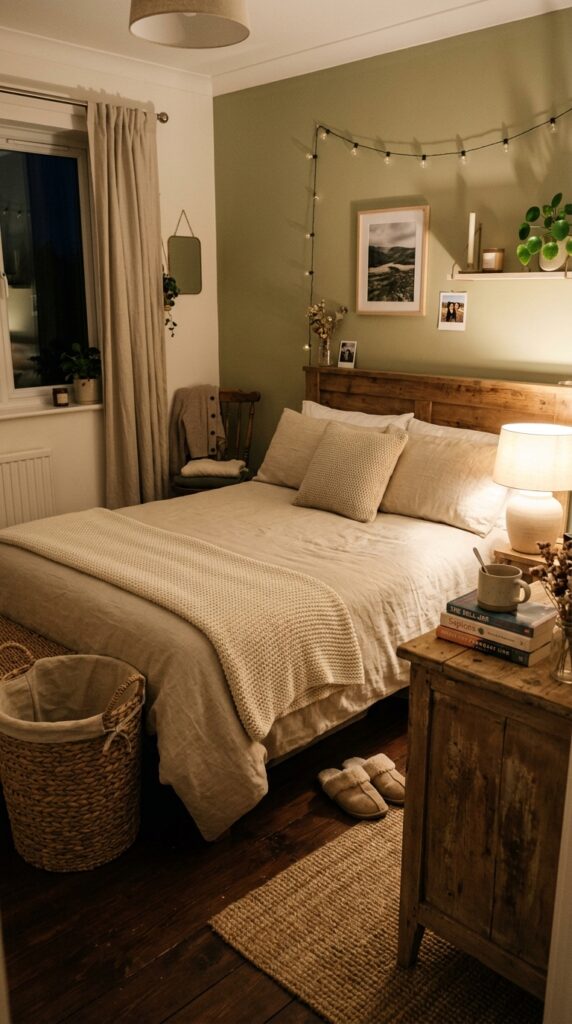
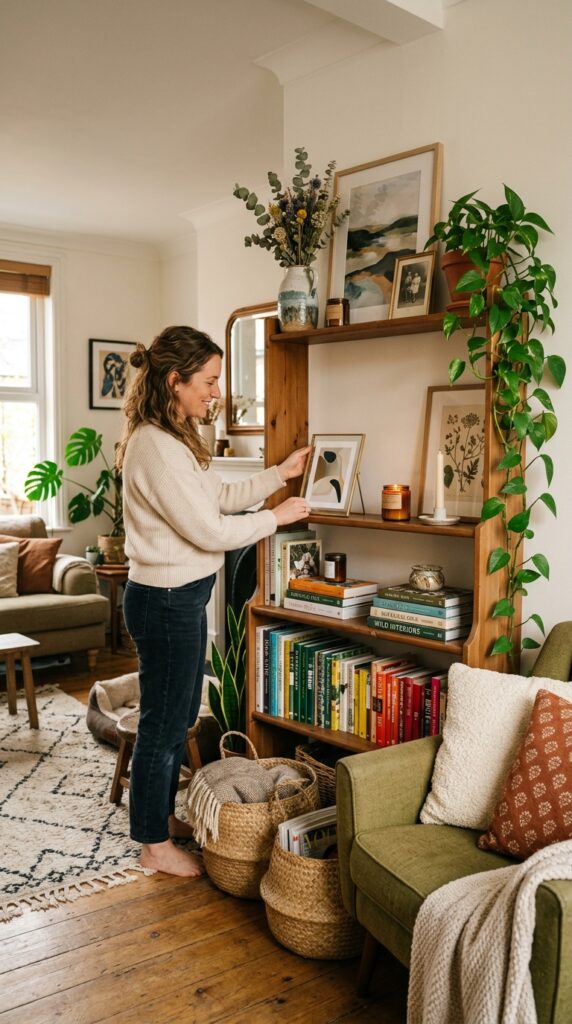
Interior styling can turn your interest in beautiful rooms into an ongoing creative hobby. Rearranging books, refreshing a bedside table, styling a shelf, or testing new cushion combinations allows you to experiment without buying new furniture. Natural wood, woven texture, candles, plants, and soft fabric give you plenty to work with.
Choose one small area rather than changing the whole room. Remove everything, clean the surface, then return only useful or meaningful pieces. Photograph the arrangement so you can compare versions. A lot of people buy new decorations before exploring what they already own. Move objects between rooms, reframe prints, or use books as small risers. This hobby can cost nothing, though baskets, covers, or thrifted frames may cost between $10 and $50.
12. Learn Calligraphy or Decorative Handwriting
Calligraphy brings patience and beauty to letters, cards, journal pages, and gift tags. Smooth ink, textured paper, and careful strokes create a calm hands on experience. You can begin with modern brush lettering or traditional pointed pen styles depending on what attracts you.
Start by practicing basic lines and repeated letter shapes rather than full quotes. Use guide sheets to keep the height and spacing consistent. What I personally love about calligraphy is how visible the progress becomes after a few weeks. Avoid buying several pens before learning which tip feels comfortable in your hand. A brush pen, practice pad, and guide sheets may cost between $15 and $40. Later, you can use the skill for invitations, labels, handmade gifts, or decorative journal headings.
13. Create Scrapbooks or Memory Albums
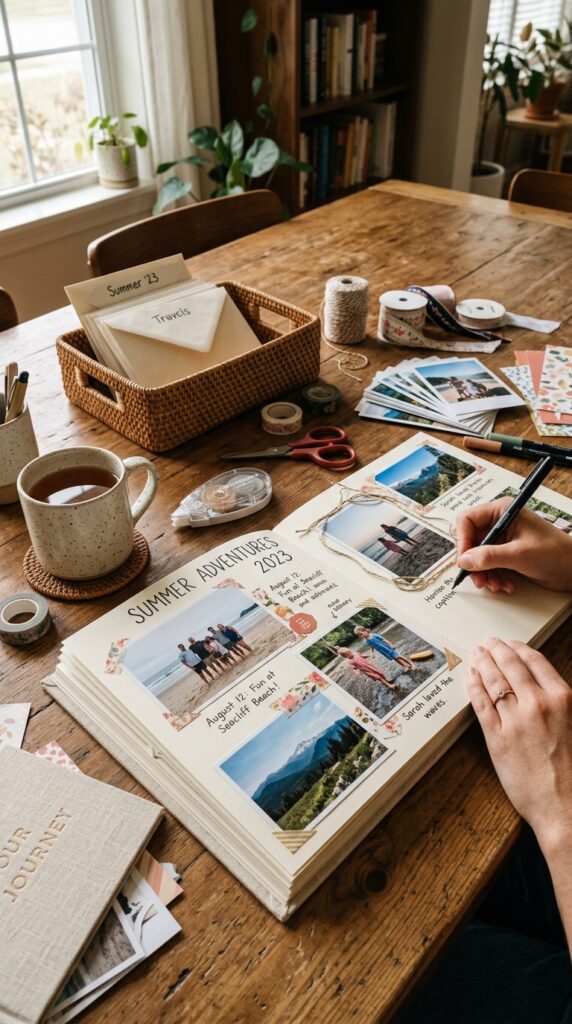
Scrapbooking gives printed photographs, notes, tickets, and small keepsakes a place to live. Turning these pieces into an album creates a personal story that can be revisited long after digital photos are forgotten. Paper textures, ribbon, handwritten captions, and soft colors make the process deeply individual.
Begin with one event, year, friendship, or trip rather than trying to document your entire life. Print a small group of photos and choose two or three coordinating paper colors. In my experience, the biggest mistake is buying too many decorations before planning the pages. Photos and writing should remain the focus. A simple album, adhesive, paper, and photo prints may cost between $25 and $65. Keep scraps in labeled envelopes so your work area stays manageable.
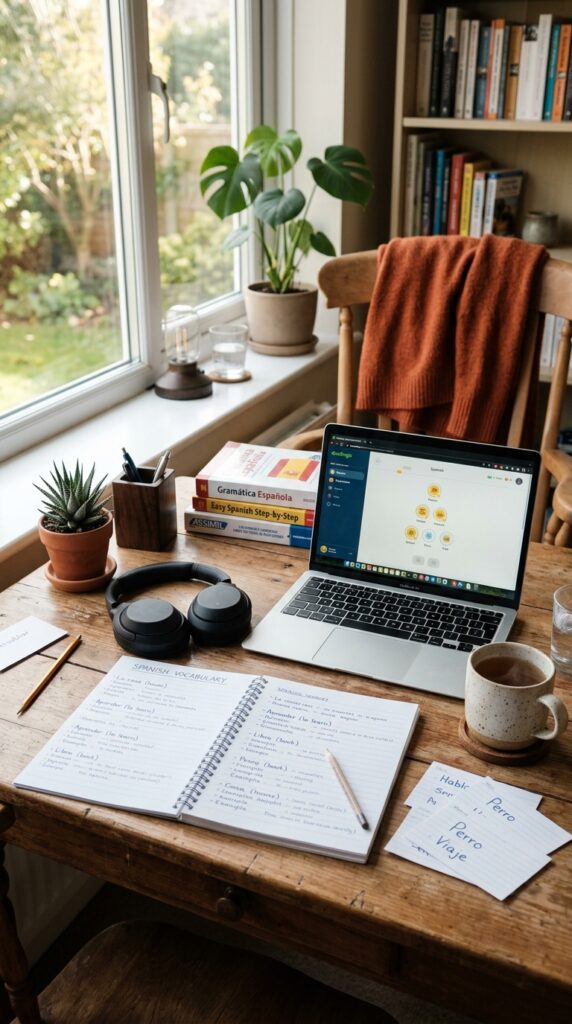
14. Learn a New Language at a Gentle Pace
Learning a language can bring fresh energy into your routine and create a meaningful connection with books, travel, music, or another culture. A notebook, headphones, and a quiet corner are enough to begin. Progress comes from repeated contact rather than long, exhausting study sessions.
Choose one course, book, or app and practice for fifteen minutes most days. Combine vocabulary with listening and speaking so the language does not remain only on the page. A lot of people collect several learning resources and spend more time organizing than studying. Use one main source for at least a month. Free apps and library materials can keep the cost near zero, while a workbook or online class may cost between $15 and $100. A conversation group can add social practice when you feel ready.
15. Volunteer for a Cause You Care About
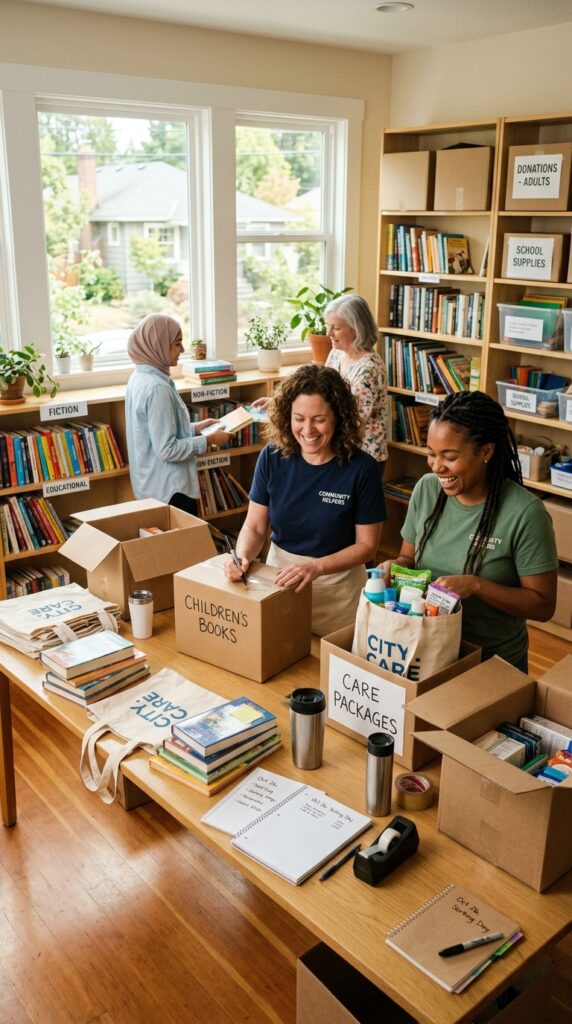
Volunteering can make free time feel connected to something larger than your personal routine. You might help at an animal shelter, community garden, food program, library, school, or local support organization. The work can bring new skills, friendships, and a sense of contribution.
Choose a cause that matches your interests and the time you can honestly give. Begin with one shift or event each month before accepting a larger responsibility. What I personally love about volunteering is that it can introduce you to people outside your usual circle. Avoid committing to more hours than your schedule can support, since reliability matters. Most opportunities are free, though transport or basic supplies may cost between $5 and $30. Check the organization’s requirements and safety guidance before attending.
16. Build a Fulfilling Routine With Cooking as a Feminine Hobby
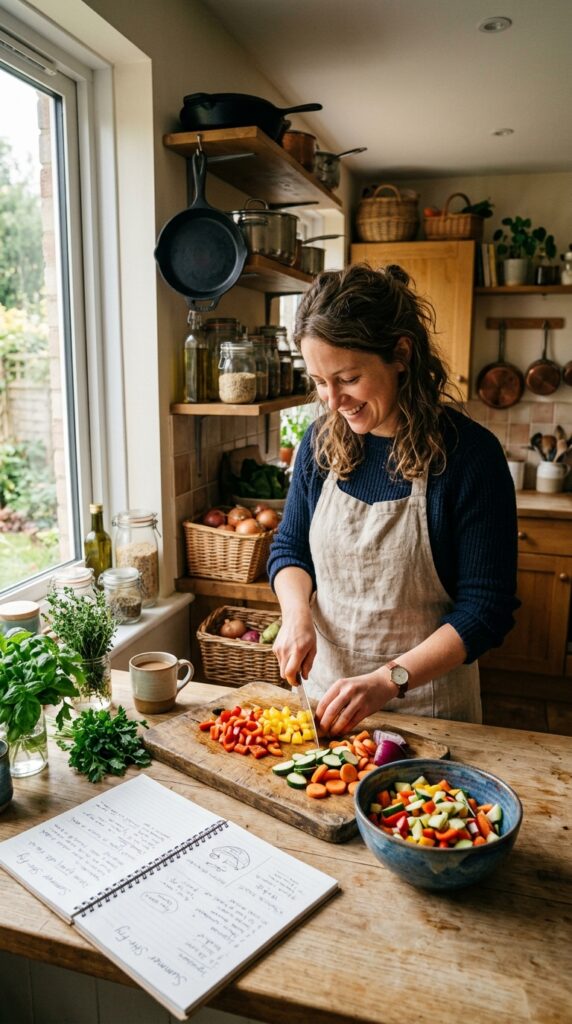
Cooking becomes more enjoyable when it moves beyond rushing to prepare the next meal. Learning sauces, soups, bread, salads, or dishes from another culture can turn the kitchen into a place for creativity. Fresh herbs, colorful vegetables, natural wood, and neatly arranged ingredients make the process feel grounded and useful.
Choose one new recipe each week and keep notes about what you changed. Practice a few basic techniques, such as chopping evenly, seasoning gradually, and preparing ingredients before heating the pan. I always recommend this when someone wants a hobby that also supports daily life. Avoid buying specialty tools for one recipe unless you expect to use them again. Basic ingredients may cost between $10 and $40 per session, while a good knife or pan can be added later if needed.
Choose Hobbies That Add Something Meaningful to Your Week
A fulfilling hobby does not need to become a business, produce impressive results, or fill every free hour. Its value may come from giving you a quieter evening, introducing you to new people, or helping you create something with your hands. Progress can remain slow and personal.
These 16 feminine hobbies that make life feel more fulfilling include creative projects, movement, learning, home styling, and community activities. Start with one or two ideas that fit your current energy, space, and budget. Try a library book before buying a reading collection, grow two herbs before filling a balcony, or complete one embroidery kit before purchasing extra thread.
Use what you already own whenever possible. A notebook, phone camera, kitchen bowl, or rearranged shelf may be enough to begin. Give the hobby several attempts before deciding whether it belongs in your routine.
Which feminine hobby would you try first? I’d love to hear what you’re planning.
Frequently Asked Questions
What are some inexpensive feminine hobbies?
Journaling, reading library books, phone photography, cooking, language learning, and home styling can cost very little. Begin with supplies you already own. Borrowing books and reusing containers or craft materials can reduce costs further.
Which hobbies are good for staying at home?
Watercolor painting, embroidery, baking, reading, calligraphy, scrapbooking, jewelry making, and cooking all work well at home. Most require only a small table or storage basket. Choose a hobby that fits the space you can use comfortably.
How do I choose a hobby I will keep doing?
Think about what you naturally notice or enjoy during the day. Choose one activity and try it several times before buying many supplies. A hobby is easier to continue when it fits your schedule and does not create pressure.
Can I have more than one hobby?
Yes, but you do not need to begin several at the same time. One creative hobby and one active or social hobby can offer a useful balance. Let your interests change with the season and your available energy.
How much time should I spend on a hobby?
Even fifteen to thirty minutes once or twice a week can be meaningful. There is no required schedule. Choose a pace that feels enjoyable and does not compete with sleep, work, or important responsibilities.