
16 Ways to Romanticize Your Life Every Day
Some days can feel like a loop of alarms, messages, errands, work, and household tasks. You move from one responsibility to the next, then realize you barely noticed the morning light, enjoyed your meal, or took a moment for yourself. When this happens, ordinary life can start to feel flat.
These 16 ways to romanticize your life every day are not about pretending that problems do not exist. They are about paying closer attention to the life you already have. A warm drink in a favorite cup, fresh cotton sheets, a quiet walk, or an outfit you enjoy can make a normal day feel more personal.
You do not need a large budget, a beautifully decorated apartment, or hours of free time. Most of these ideas can fit into routines you already follow. Each one includes a simple way to begin, a useful mistake to avoid, and a realistic cost where relevant. Start with one or two habits that sound enjoyable. Small moments often become more meaningful when you slow down enough to notice them.
1. Romanticize Your Life Every Day With a Slower Morning
A rushed morning can make the rest of the day feel hurried before anything difficult has even happened. A slower start might include opening linen curtains, drinking water, stretching beside the bed, or sitting quietly while warm light moves across the room. These small details help the morning feel like part of your life rather than an obstacle before work.
Choose a ten minute routine that can fit into ordinary weekdays. Keep your phone away from the bed, open the curtains, make a warm drink, and complete one gentle task before checking messages. In my experience, the biggest mistake is designing a long morning schedule that only works on weekends. Keep the habit easy enough to repeat when you are tired. This idea can cost nothing. A basic alarm clock may cost between $10 and $30 if you want to leave your phone across the room.
2. Drink From a Cup You Genuinely Love
Coffee, tea, or even plain water can feel more enjoyable when it is served in a cup that feels pleasant in your hands. A ceramic mug with a smooth glaze, a delicate glass, or a thrifted floral cup can bring color and texture to a routine you already follow.
Choose one cup and keep it within easy reach instead of saving it for a special occasion. Place your drink on a small tray with a linen napkin, book, or simple breakfast. What I personally love about this habit is that it adds warmth without creating more work. Avoid collecting so many cups that your cabinets become crowded. One useful piece is enough. A secondhand mug may cost between $3 and $10, while handmade ceramic options often range from $15 to $40.
3. Wear Clothes That Make an Ordinary Day Feel Special
You do not need formal plans to wear a blouse you love, delicate earrings, soft denim, or a comfortable dress. Clothing can change how you experience an ordinary grocery trip, workday, or afternoon at home. Fresh fabric, balanced colors, and a small accessory can make you feel more present in your own routine.
Create two or three outfit formulas from pieces you already own. Pair straight trousers with a cotton blouse, or wear a simple dress with a cardigan and flat shoes. Add one detail such as a watch, scarf, or small necklace. A lot of people save their favorite clothes until they no longer fit their lifestyle. Wear them while they still bring you joy. Alterations may cost between $15 and $60, while cleaning, steaming, or restyling existing pieces can cost very little.
4. Create a Personal Soundtrack for Daily Tasks
Music can change the mood of cooking, cleaning, getting dressed, or walking to work. A soft jazz playlist may make breakfast feel slower, while upbeat songs can bring energy to a room reset. Familiar music can also make repetitive chores feel connected to good memories.
Create several short playlists for different parts of the day. You might have one for mornings, one for cooking, and one for quiet evenings. Keep each playlist focused enough that you do not spend more time choosing music than enjoying it. In my experience, the biggest mistake is filling every silent moment with sound. Leave some quiet space when your mind needs rest. This habit can be free with music you already own or a free streaming plan. A compact speaker may cost between $20 and $70.
5. Make Your Meals Look Inviting
A simple meal can feel more satisfying when it is placed on a proper plate instead of eaten from a container while standing at the counter. Colorful fruit, warm toast, fresh herbs, or a folded napkin can make familiar food feel more cared for without requiring a complicated recipe.
Use the plates and bowls you already own, then add one small visual detail. Serve yogurt in a bowl with berries, place soup beside a slice of bread, or add lemon to a glass of water. What I personally love about this approach is that it encourages you to sit down and notice your food. Avoid spending so much time arranging the plate that your meal becomes cold. A linen napkin or thrifted plate may cost between $5 and $20, but the habit can also be free.
6. Romanticize Your Life With Fresh Flowers or Greenery
Flowers and greenery bring natural color into a room. You do not need an expensive bouquet. A few market stems, garden branches, herbs, or leaves in a glass jar can soften a bedside table, bathroom shelf, or kitchen counter.
Choose a small arrangement that fits the surface rather than filling the room with several vases. Trim the stems, remove leaves below the waterline, and refresh the water every few days. A lot of people wait for someone else to give them flowers, but buying or gathering them for yourself can feel just as meaningful. Avoid choosing a large arrangement that becomes another difficult item to maintain. A small market bunch may cost between $5 and $20. Garden clippings or herbs can be free.
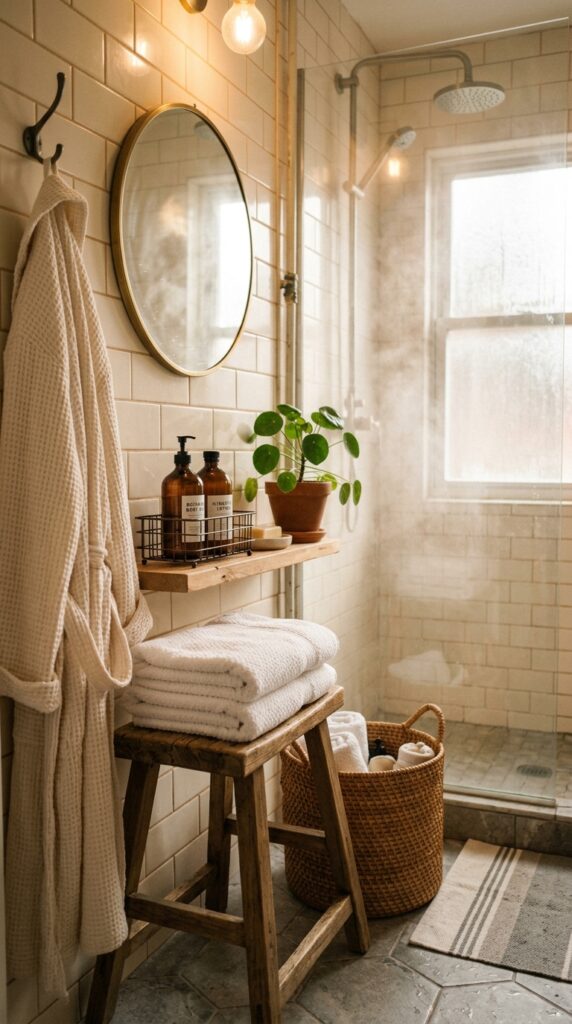
7. Turn Your Shower Into a Gentle Reset
A shower can feel like more than another task when the bathroom is prepared with a clean towel, familiar products, and warm light. The sound of water, fresh cotton, and a soft robe can create a clear transition between work, errands, and evening rest.
Place your towel and sleepwear within reach before stepping into the shower. Keep only the products you use regularly in a simple caddy or basket. In my experience, the biggest mistake is buying several scented items and crowding the space. One body wash and one lotion you enjoy are enough. Replace harsh overhead light with a safe wall lamp when possible. A shower caddy may cost between $10 and $30, while fresh towels or a robe may range from $20 to $70.
8. Take Yourself on Small Solo Dates
A solo date can be as simple as visiting a library, walking through a market, sitting in a café, or bringing lunch to a park. Spending time alone in a pleasant setting can help you notice your own interests without waiting for someone else to be available.
Choose an activity that feels comfortable rather than forcing yourself into a setting you dislike. Bring a book, notebook, camera, or headphones if that helps you settle. A common mistake is making the outing expensive so it feels important. A library visit, neighborhood walk, or packed picnic can cost nothing. A café drink, museum ticket, or small lunch may cost between $5 and $30. Begin with one short outing and let the habit grow naturally.

9. Notice the Small Details on Your Walk
A familiar street can feel different when you pay attention to the trees, doors, clouds, gardens, shadows, and sounds around you. A slow walk gives ordinary surroundings more texture and creates a break from screens and household walls.
Leave your phone inside your bag for part of the walk. Choose one detail to notice, such as colors, architecture, birds, or seasonal plants. What I personally love about this habit is that it requires no special destination. Avoid turning every walk into a photography session or step target. Some days, simply noticing the light is enough. Comfortable shoes may cost between $40 and $120 if you need a supportive pair, but walking itself is free.

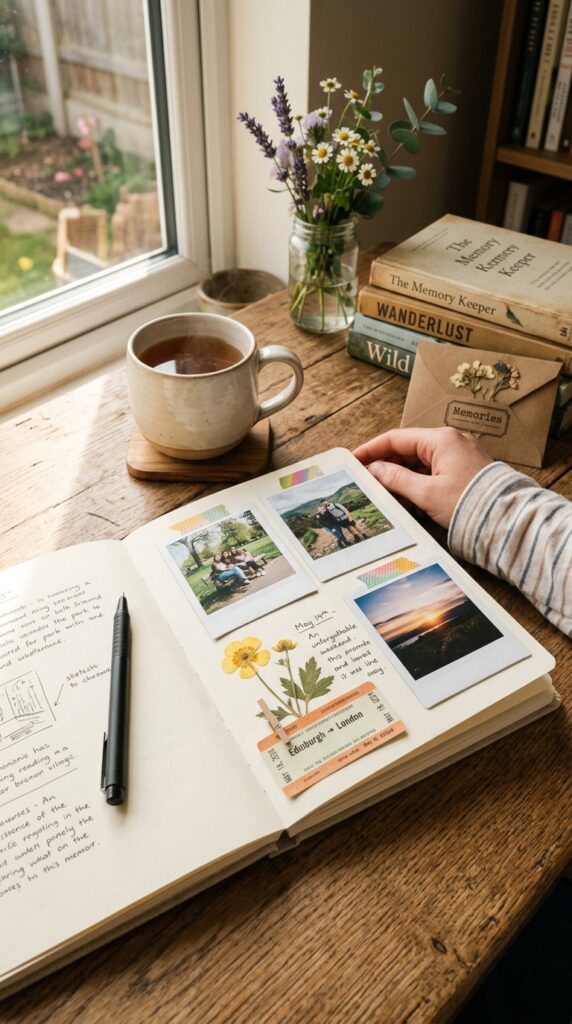
10. Keep a Small Record of Beautiful Moments
Photographs, journal notes, pressed flowers, tickets, and short voice recordings can help you remember ordinary moments that might otherwise disappear. A handwritten line about a meal, sunset, conversation, or song creates a personal record of your actual life.
Keep the process simple. Write one sentence at night, take one photo a day, or collect small paper keepsakes in an envelope. A lot of people turn memory keeping into a large craft project and then stop because it feels demanding. Choose a format that fits your schedule. A notebook or small photo album may cost between $8 and $30. Using your phone camera or an existing box is free.
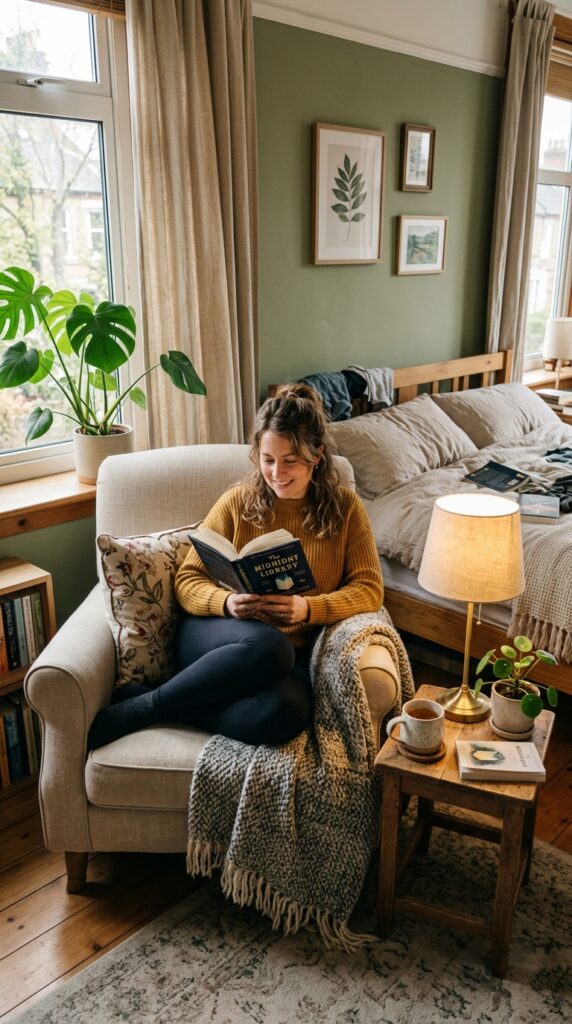
11. Read Somewhere Comfortable
Reading can make a quiet evening feel full without adding noise or clutter. A physical book, soft chair, warm lamp, and textured throw create a small world away from notifications and unfinished tasks.
Keep one book visible beside your bed or favorite chair. Read ten pages instead of setting a difficult target. In my experience, the biggest mistake is choosing books only because they appear impressive. Read what genuinely holds your attention, whether that is fiction, design, history, poetry, or memoir. Libraries and secondhand shops make the habit affordable. A book may cost between $10 and $25, while borrowing is free. Use a cushion and lamp you already own before buying new reading corner decor.
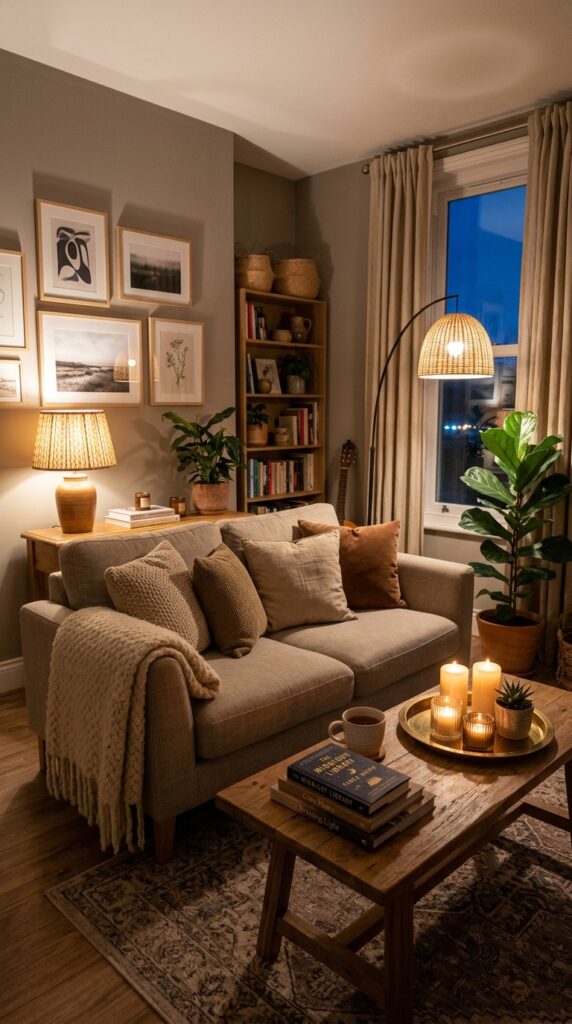
12. Use Warm Lighting in the Evening
Bright overhead lighting can make a home feel active long after the day should be slowing down. A bedside lamp, shaded floor light, or small table lamp creates softer pools of light around the spaces you use most.
Switch off the main light during the final hour of your evening. Place warm bulbs near the sofa, bed, or vanity and keep task lighting where you need to read or work. A lot of people buy several decorative lights when replacing one harsh bulb would solve the problem. Begin with what you already own. Warm LED bulbs may cost between $5 and $15, while a simple lamp generally ranges from $20 to $60.
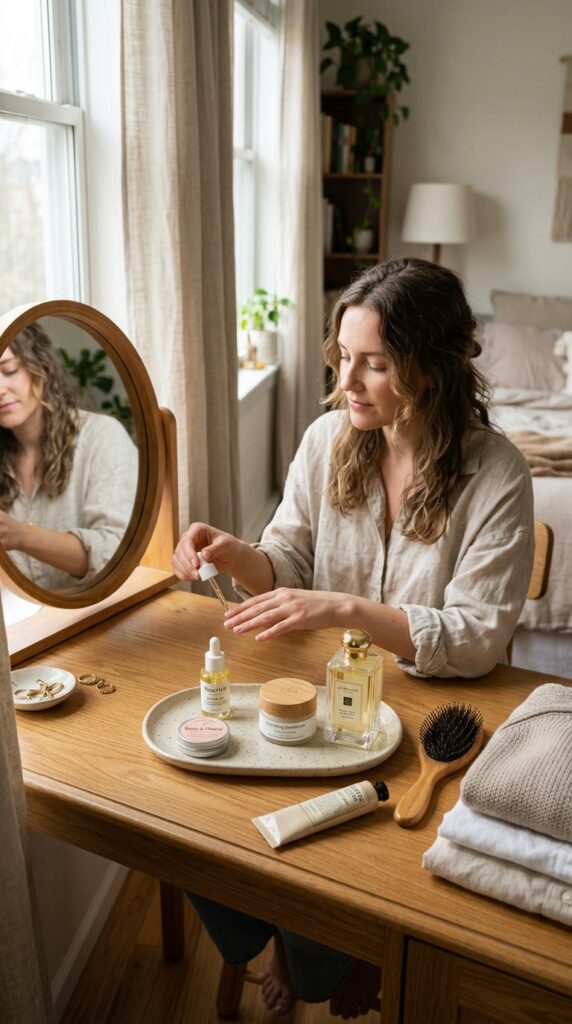
13. Romanticize Your Life Every Day Through Personal Care
Personal care can feel calm when it focuses on comfort rather than correcting every detail. Brushing your hair slowly, applying hand cream, caring for your nails, or using a familiar fragrance can help you reconnect with your body after a busy day.
Keep your daily products together on one small tray. Choose a short routine you can repeat rather than collecting several products. What I personally love about this habit is that it can take less than five minutes. Avoid buying new skincare or beauty items every time you want your routine to feel fresh. Clean the tray, finish what you own, or change the order of the steps. A small personal care set may cost between $20 and $70, depending on your needs.
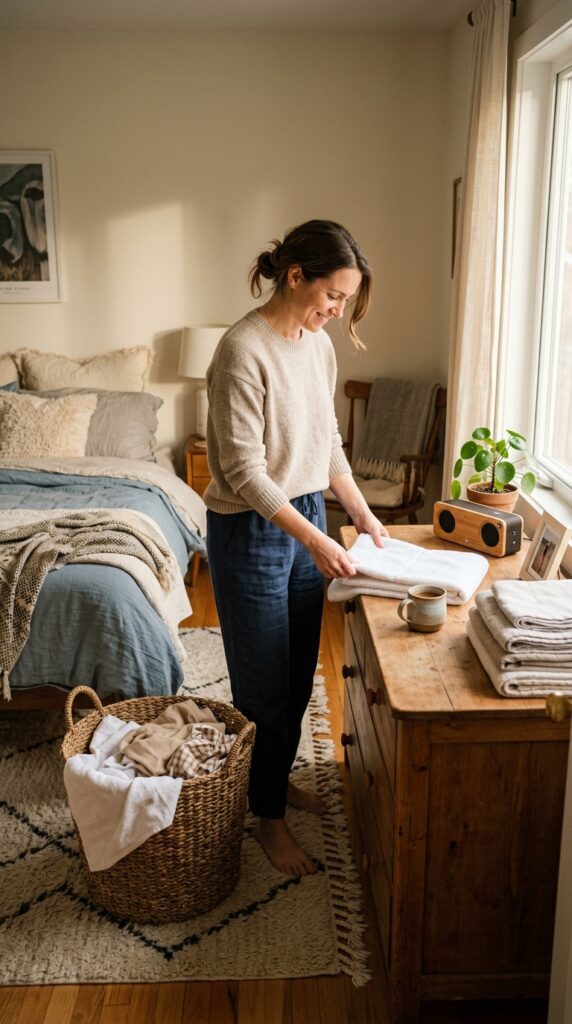
14. Make One Household Task Feel Pleasant
Laundry, dishwashing, and tidying may never become your favorite activities, but the surroundings can make them less draining. Music, an open window, a fresh cotton apron, or a warm drink can create a more comfortable atmosphere while you work.
Choose one task and pair it with something you enjoy. Listen to a podcast while folding clothes, play music while washing dishes, or light a candle after cleaning the kitchen. A lot of people buy decorative cleaning supplies instead of simplifying the task itself. Keep tools easy to reach and stop buying duplicates. This idea can cost nothing. A simple basket, apron, or cleaning caddy may cost between $10 and $35.
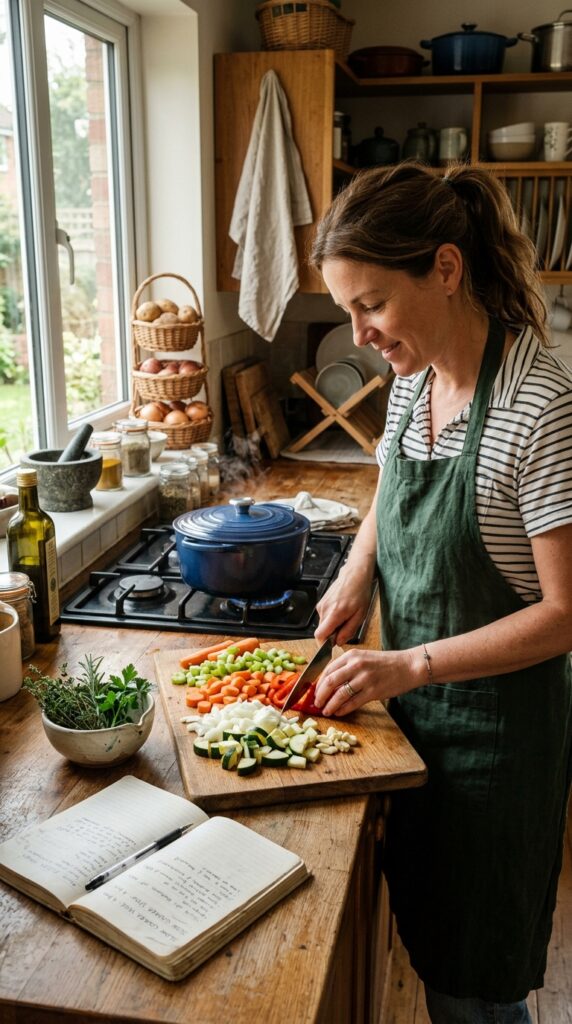
15. Cook One Meal Slowly Each Week
Preparing one meal without rushing can turn cooking into a creative part of your week. Chopping vegetables, washing herbs, stirring a warm sauce, and setting the table give you time to use your senses and enjoy the process.
Choose a familiar recipe so the evening does not become stressful. Gather the ingredients before heating the pan and clean as you go. In my experience, the biggest mistake is choosing a complicated dish with expensive ingredients when you are already tired. Soup, pasta, bread, curry, or a roasted vegetable meal can still feel special. Ingredients may cost between $10 and $40, depending on the recipe and household size. Use everyday cookware before purchasing specialty tools.
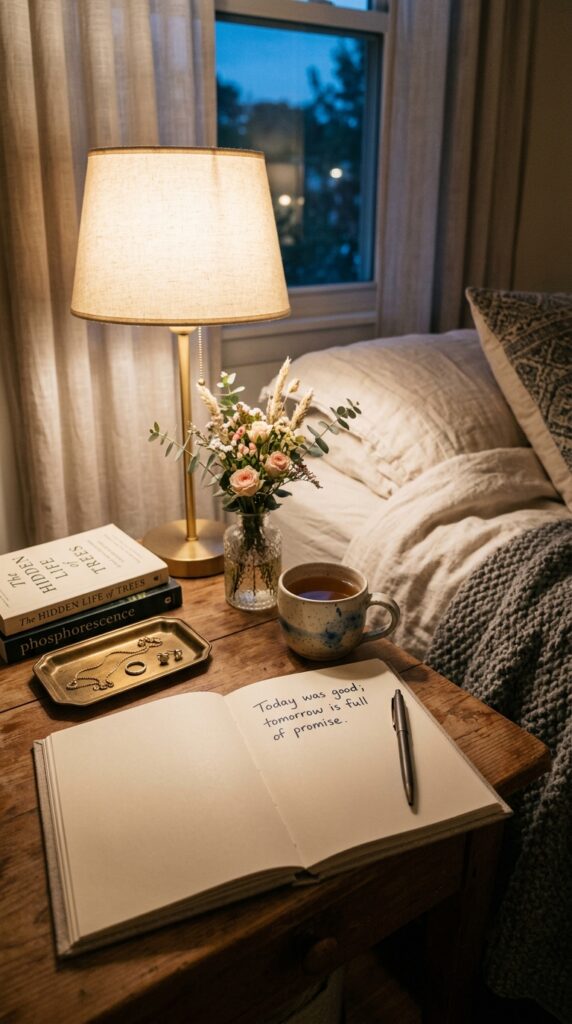
16. End the Day by Noticing What Was Good
A day does not need to be easy for something good to have happened. You may have enjoyed warm sunlight, completed a difficult task, heard from a friend, or eaten a meal that felt comforting. Noticing one small positive moment helps the day feel more complete.
Write one specific sentence before bed or say it quietly to yourself. Keep the notebook beside your lamp so you do not need to search for it. I always recommend this when someone wants to romanticize life without changing a full schedule. Avoid forcing gratitude to cover disappointment, anger, or real problems. Both can exist at the same time. A notebook may cost between $8 and $25, while a spoken reflection costs nothing.
Make Ordinary Days Feel More Like Your Own
Learning to appreciate daily life does not require expensive meals, constant travel, or a home that looks staged. The most meaningful changes are often small. Drinking from a favorite cup, wearing an outfit you enjoy, walking without checking your phone, or setting the table for yourself can bring more care into an ordinary day.
These 16 ways to romanticize your life every day are meant to fit around work, study, chores, family, and real budgets. Start with one or two ideas that feel easy to maintain. You might use warmer lighting in the evening or write down one good moment before bed. Let those habits become familiar before adding more.
Use what you already own. Wash the blanket, clear the tray, wear the blouse, borrow the book, and pick greenery from the garden. Paying attention often matters more than purchasing something new.
Which way would you try first? I’d love to hear what you’re planning.
Frequently Asked Questions
What does it mean to romanticize your life?
It means paying closer attention to daily experiences and adding care to ordinary routines. This might include enjoying breakfast without rushing, wearing clothes you love, or noticing seasonal changes. It does not require ignoring real responsibilities or difficulties.
Can I romanticize my life without spending money?
Yes. You can open the curtains, walk somewhere familiar, play music, rearrange a reading corner, journal, or prepare food more slowly. Use items you already own before buying decor, clothes, or beauty products.
How do I romanticize a busy workday?
Choose small moments that fit between responsibilities. Bring a drink in a cup you enjoy, wear one favorite accessory, eat lunch away from your screen, or take a short walk. A few minutes can still change how the day feels.
Is romanticizing life the same as avoiding problems?
No. It does not mean pretending that stress, work, or difficult emotions do not exist. It means allowing small moments of comfort and beauty to exist alongside them. Practical action should still be taken when a problem needs attention.
How can I keep these habits from becoming another task?
Begin with habits that already fit your routine. Use your favorite cup during breakfast rather than adding a new morning activity. Keep the process flexible and stop doing anything that creates more pressure than enjoyment.