
15 Monthly Reset Routine Ideas to Organize Your Life
A new month can arrive while the last one still feels unfinished. Your calendar may be crowded, laundry may be sitting in a basket, receipts are scattered in a drawer, and small tasks have quietly followed you from week to week. When everything feels slightly out of order, it can be difficult to know what to fix first.
These 15 monthly reset routine ideas to organize your life are designed to help you create a calmer starting point without spending an entire weekend cleaning and planning. You will find practical ideas for your calendar, finances, closet, kitchen, digital files, personal goals, home organization, and self care.
You do not need a new planner or matching storage containers to begin. A notebook, a few baskets, clean surfaces, and one focused afternoon can be enough. Choose the areas that create the most daily stress and leave the rest for another month. A useful reset should make the weeks ahead easier, not leave you exhausted before they begin.
1. Start Your Monthly Reset Routine With a Calendar Review
A clear calendar can immediately make the month feel less scattered. Seeing appointments, work deadlines, birthdays, bills, and social plans in one place creates a sense of structure. A quiet desk, warm light, a cup of tea, and an open planner can turn this practical task into a calm beginning.
Start by moving confirmed dates into one calendar, whether you use paper or digital planning. Add travel time, preparation days, payment dates, and reminders for anything that could easily be forgotten. In my experience, the biggest mistake is writing down events without accounting for the work required before them. A dinner party may also need a grocery trip, for example. Digital calendars are free, while a simple monthly planner may cost between $10 and $30. Leave some open space instead of filling every available evening.
Image Prompt:
A realistic monthly calendar review at a warm wooden desk with an open planner, phone calendar, simple pen, ceramic mug, and a few handwritten appointment notes. Include natural window light, soft shadows, a linen blouse sleeve, books, a small plant, storage baskets, and a calm lived in home office.
2. Clear One Visible Surface in Every Main Room
Visual clutter can make an otherwise comfortable home feel unfinished. A clear kitchen counter, tidy bedside table, and organized coffee table give the eye somewhere to rest. You do not need to empty every drawer to notice the difference.
Choose one visible surface in each room and remove anything that does not belong there. Return items to their normal homes, throw away rubbish, and group frequently used objects on a tray or in a small basket. What I personally love about this reset is how quickly it changes the feeling of a room. Avoid moving clutter from one surface to another just to make the first area look clean. Trays and baskets may cost between $10 and $35, but repurposed boxes or containers can work just as well.
3. Review Last Month Before Setting New Goals
It is easy to make fresh plans without noticing what actually worked during the previous month. A short review can show where your time went, which routines helped, and which goals were too ambitious. A notebook beside a warm drink creates a simple place to reflect without turning the process into a long evaluation.
Write down three things that went well, one challenge, and one change you want to make. Keep your review based on real events rather than how productive you think you should have been. A lot of people skip this step, but it makes all the difference when setting realistic goals. Avoid carrying every unfinished task forward automatically. Some things no longer need your attention. This reflection is free. A notebook or planner may cost between $8 and $25 if you prefer writing by hand.
4. Give Your Closet a Quick Seasonal Check
Your wardrobe can become crowded even when you are not buying much. Clothing that needs washing, repair, donation, or seasonal storage often gathers slowly until getting dressed feels harder than it should.
Remove anything from the closet floor and return clean clothes to proper hangers or shelves. Check five to ten pieces you have not worn recently and decide whether they still fit your life. Place repairs in one small basket instead of leaving them mixed with wearable clothing. In my experience, the biggest mistake is emptying the entire wardrobe when you only have an hour. Work one section at a time. Slim hangers, storage boxes, or shelf baskets may cost between $15 and $50. Folding neatly and moving seasonal pieces to another shelf costs nothing.
5. Reset Your Budget and Upcoming Expenses
Money feels easier to manage when you know what is coming. A monthly financial reset can help you spot large bills, subscriptions, travel costs, appointments, and seasonal expenses before they become surprises.
Review last month’s spending and write down your fixed expenses first. Then estimate groceries, transport, personal spending, and any unusual costs expected this month. What I personally love about this habit is that it makes small financial decisions less stressful during the week. Avoid building a budget with no room for unexpected expenses. Leave a modest buffer when possible. A spreadsheet or budgeting app can be free, while a paper budget notebook may cost between $8 and $20. The goal is clarity, not creating a complicated tracking system you will stop using after a few days.
6. Refresh the Fridge, Freezer, and Pantry
Food storage becomes much easier when you can clearly see what you already have. Half used sauces, forgotten vegetables, duplicate pantry items, and unmarked freezer containers can quietly lead to waste and extra grocery spending.
Check expiration dates and remove anything spoiled. Wipe one shelf at a time, group similar foods together, and move ingredients that need using soon toward the front. Create a short meal list based on those items before shopping again. A common mistake is buying a full set of matching pantry containers before knowing what storage problems you actually need to solve. Use existing jars and bins first. Basic labels or small fridge bins may cost between $10 and $40. Cleaning with supplies already at home keeps this reset nearly free.
7. Use Monthly Reset Routine Ideas to Organize Your Digital Life
Digital clutter can be just as distracting as physical clutter. Hundreds of screenshots, unread emails, duplicate files, and random downloads make it harder to find important information when you actually need it.
Set a timer for twenty to thirty minutes. Delete obvious screenshots, move important documents into named folders, clear your desktop, and unsubscribe from emails you no longer want. Back up important photos and files using a method you trust. In my experience, the biggest mistake is attempting to organize years of digital clutter in one sitting. Begin with the most recent month and work backward only if time allows. Most digital organization can be done for free. Additional cloud storage may cost a few dollars each month if your existing space is full.
8. Wash the Fabrics That Quietly Get Forgotten
Fresh fabric can make a room feel noticeably cleaner. Pillow covers, throws, bath mats, kitchen towels, and washable cushion covers often go longer between washes than everyday clothing. Their soft textures look and feel better after a proper refresh.
Choose two or three fabric categories each month rather than trying to wash everything at once. Follow care labels, shake out rugs outside when appropriate, and let items dry fully before putting them back. A lot of people forget to check drying instructions and end up shrinking decorative textiles. Read the label before starting. Laundry detergent and stain treatment may cost between $10 and $25 if you need replacements. Using supplies already in your laundry area makes this an inexpensive reset.

9. Restock Everyday Essentials Before They Run Out
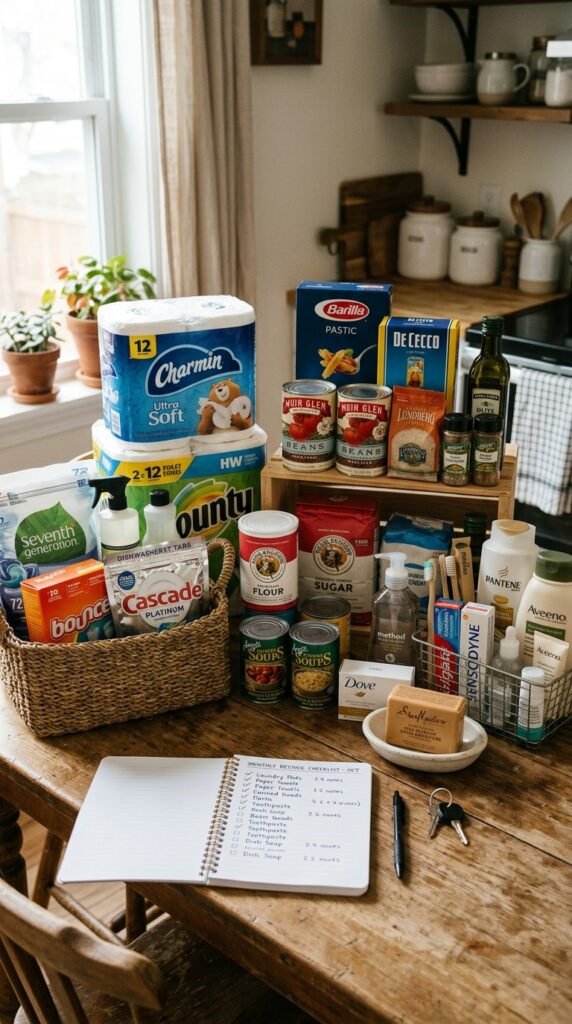
Running out of basic items creates small disruptions that can make busy weeks feel more chaotic. Soap, toothpaste, laundry supplies, pantry basics, pet food, and personal care products are easier to manage when you check them before they reach empty.
Walk through the kitchen, bathroom, laundry area, and cleaning cupboard with a short list. Write down only products that are genuinely low. Keep one backup of frequently used essentials if storage and budget allow. What I personally love about this method is that it reduces last minute shopping without creating excessive stock. Avoid buying several backups simply because they are on sale. Small home restocks may cost between $20 and $80 depending on what is needed, but purchasing only replacements keeps costs controlled.

10. Give Your Bathroom a Small Organization Reset
Bathroom clutter builds quickly because the room holds so many small items. Cosmetics, hair tools, towels, skincare, and half empty bottles can fill counters and drawers until morning routines become frustrating.
Clear the counter first, then remove empty packaging and expired or unused products according to appropriate disposal guidance. Group everyday skincare on one tray and keep less frequently used items in a drawer or basket. In my experience, the biggest mistake is creating separate containers for every tiny category. Too many organizers can make a small bathroom harder to maintain. Start with broad groups such as hair, skincare, and body care. Drawer dividers, trays, and baskets may cost between $10 and $40. Repurposed jars can hold cotton pads or hair ties for less.
11. Clean Out Your Handbag and Everyday Carry Items
A handbag can quietly collect receipts, wrappers, old lip products, tangled chargers, and random papers. Clearing it once a month makes leaving home easier and reduces the chance of losing something important.
Empty everything onto a clean table. Throw away rubbish, file receipts you need, wipe the interior according to the bag’s care instructions, and return only useful items. Keep chargers, cosmetics, and personal items in small pouches if they often become mixed together. A common mistake is buying a larger bag when the real issue is carrying too much. Remove items you rarely use first. Small organizer pouches may cost between $8 and $25. Cosmetic bags you already own work just as well.
12. Plan Simple Meals for the Busiest Days
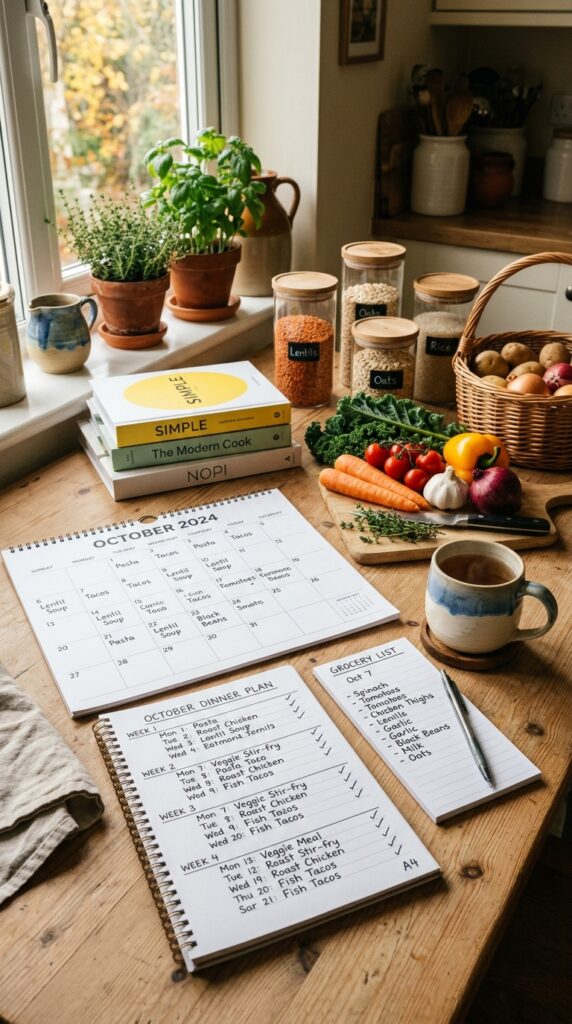
Meal planning does not need to cover every breakfast, lunch, and dinner. Identifying your busiest days and giving those meals a plan can reduce takeout spending and last minute kitchen stress.
Look at your calendar and choose three to five meals for the days with the least available time. Think pasta, soup, rice bowls, sandwiches, sheet pan meals, or leftovers that reheat well. A lot of people create ambitious meal plans filled with unfamiliar recipes, then abandon them midweek. Use meals you already know how to cook. A reusable meal planner pad may cost between $8 and $20, though a notebook is enough. Grocery costs vary, but planning around pantry ingredients and seasonal produce can help keep spending controlled.
13. Check Your Personal Care Appointments and Routines
Haircuts, nail appointments, prescriptions, skincare restocks, dental visits, and other personal care tasks are easier to manage when they are not booked at the last minute. A monthly check keeps practical care from disappearing behind work and household tasks.
Review what is due this month and schedule only what you actually need. Add appointments to your calendar immediately and note any preparation requirements. What I personally love about this reset is that it keeps personal care organized without turning it into constant shopping. Avoid booking several treatments simply because a new month has started. Home maintenance may be enough. A basic grooming restock may cost between $15 and $50, while professional appointments vary widely. Plan those expenses alongside the rest of your monthly budget.

14. Choose One Home Project to Finish This Month
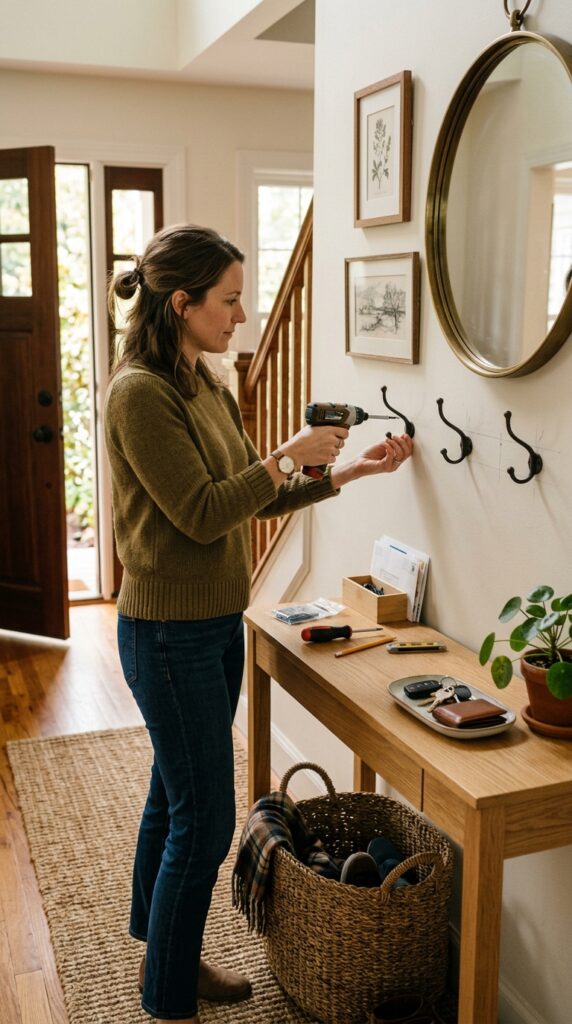
Small unfinished projects can create more mental clutter than their size suggests. A loose cabinet handle, empty picture frame, messy entryway, or pile waiting for donation may take little time but remain visible for weeks.
Choose one project that can realistically be finished within the month. Write down the exact supplies and time required before starting. In my experience, the biggest mistake is choosing several rooms at once and creating more unfinished work. One completed project usually feels better than five half started updates. Costs may range from nothing for rearranging or decluttering to $10 to $60 for simple hardware, paint, hooks, or storage. Use leftover materials when possible before buying anything new.
15. End Your Monthly Reset With Three Clear Priorities
A monthly reset becomes more useful when it ends with direction. After organizing your calendar, home, finances, and routines, choose a few priorities that deserve most of your attention. A short list feels calmer than carrying every possible goal into the new month.
Write one personal priority, one practical priority, and one work or study priority. Add the first small action for each to your calendar. I always recommend this when someone wants a change without starting over. Avoid writing broad goals such as “get organized” without deciding what action comes next. A notebook or planner may cost between $8 and $30, while a phone note is free. Keep your three priorities somewhere visible and review them midway through the month.

A Monthly Reset Should Make Life Easier, Not Busier
A useful monthly reset is not about making every drawer spotless or planning every hour for the next four weeks. It is about noticing what has become inconvenient and fixing enough of it to make daily life feel easier.
These 15 monthly reset routine ideas to organize your life can be mixed and matched depending on what needs attention. Start with one or two areas that create the most stress. Review your calendar if you keep forgetting dates, clear your wardrobe if getting dressed feels difficult, or reset your budget if spending has become unclear.
You also do not need to spend heavily on planners, storage containers, or new household products. Use existing baskets, notebooks, digital tools, and cleaning supplies first. A monthly reset is most helpful when it reduces clutter rather than creating more things to manage.
Which monthly reset idea would you start with first? I’d love to hear what you’re planning.
Frequently Asked Questions
What should be included in a monthly reset routine?
A useful reset can include calendar planning, budgeting, home organization, meal planning, digital cleanup, personal care, and a review of current goals. You do not need to complete every category each month. Focus on the areas that affect your daily routine most.
How long should a monthly reset take?
It can take anywhere from one focused hour to part of a weekend. Breaking the reset into shorter sessions often feels easier than trying to complete everything at once. You might review finances on Friday evening and handle home organization on Saturday morning.
When is the best time to do a monthly reset?
The final few days of the current month or the first weekend of the next month both work well. Choose a time when you can focus without rushing. Consistency matters more than completing the reset on an exact date.
How can I do a monthly reset without spending money?
Use your phone calendar, existing notebooks, reused boxes, jars, and baskets. Declutter before buying storage and plan meals around food already in your kitchen. Many of the most useful reset tasks involve reviewing and organizing rather than purchasing.
What if I cannot finish my full monthly reset?
Complete the tasks that will make the biggest difference during the coming weeks. A calendar review, budget check, and one home reset may be enough. Leave lower priority tasks for another day instead of turning the process into an exhausting obligation.