
17 Morning Self-Care Ideas for a Calmer Start
Some mornings feel rushed before your feet even touch the floor. Your phone is already full of messages, yesterday’s dishes are still on the counter, and your mind starts listing everything that needs attention. When this happens often, the first hour of the day can feel more draining than supportive.
These morning self-care ideas for a calmer start are designed for real routines, not long mornings with unlimited free time. Some take two minutes, while others can become part of a slower weekend ritual. You will find simple ways to reduce screen time, prepare an easy breakfast, soften visual clutter, move your body, and organize the day without creating another strict checklist.
Most of these activities cost nothing or use items already in your home. Choose one or two that match your schedule and energy. A calm morning does not have to be silent, beautiful, or highly productive. It only needs to help you feel a little more steady before the day begins.
1. Open the Curtains Before Checking Your Phone
Opening the curtains brings natural light into the room before messages, headlines, and notifications start competing for your attention. The soft morning glow across fresh cotton bedding, natural wood furniture, and familiar objects can help the bedroom feel less closed in. Even on a gray day, changing the light signals that the night has ended.
Place your phone beyond arm’s reach before bed so opening the curtains becomes your first action. Stand near the window for a moment and notice the weather without immediately checking an app. In my experience, the biggest mistake here is opening social media while you are still in bed, then losing twenty minutes without realizing it. This activity costs nothing. If privacy is a concern, use sheer curtains that allow light inside while covering the window. Basic panels may cost $10 to $30.
2. Drink a Glass of Water First
A cool glass of water is a simple way to begin caring for yourself before coffee, errands, or work. The clear glass, quiet kitchen, and first light across the counter create a small pause. It is not a complicated wellness rule. It is simply an easy reminder to meet a basic need early.
Fill a glass or reusable bottle the night before and leave it where you will see it. Drink it while opening the curtains, feeding a pet, or waiting for breakfast. If plain water feels unappealing, add a slice of lemon, cucumber, or a few frozen berries. Avoid buying expensive powders or supplements just to make the habit feel more important. A reusable bottle may cost $8 to $25, but any clean glass works. Keep the amount comfortable rather than forcing yourself to finish a large bottle quickly.
3. Morning Self-Care Idea: Sit in Silence for Five Minutes
Five quiet minutes can create a gentle gap between waking up and responding to the world. You might sit on the edge of the bed, in a favorite chair, or beside an open window. The room may still hold soft shadows, rumpled bedding, and the faint sound of traffic or birds outside.
Set a timer for five minutes and keep your phone facedown. You do not need to meditate, clear your thoughts, or follow a breathing method. Let your mind wake up at its own pace. What I personally love about this is that it asks very little from you. Avoid judging the time as unproductive or using it to plan every task ahead. The activity is completely free. A supportive cushion or small chair may cost $15 to $50, but a folded blanket on the bed works just as well.
4. Make the Bed Without Styling It
Making the bed creates one clear surface in the room and gives the morning a simple sense of movement. Smooth sheets, a pulled-up duvet, and one placed pillow can make the bedroom feel calmer without requiring decorative cushions or careful styling.
Keep the process under two minutes. Pull the bedding upward, straighten the pillows, and fold the throw only if it is easy. A lot of people turn this small habit into a full bedroom task, but it does not need to look ready for a photograph. Avoid spending time arranging several pillows when you are already in a hurry. This activity costs nothing. If your bedding feels uncomfortable or difficult to manage, a breathable cotton sheet or simple duvet cover may cost $25 to $70, though replacing anything is not necessary to begin.
5. Wash Your Face Slowly
Washing your face can help you feel more awake without turning the morning into a long beauty routine. Lukewarm water, a soft towel, and a clean bathroom counter create a fresh sensory shift. The small action also gives you one task with a clear beginning and end.
Use a gentle cleanser you already know works for your skin. Massage it lightly, rinse well, and pat your face dry. Add moisturizer and sunscreen if they are part of your usual routine. Avoid testing strong new products on a busy morning because irritation can become another issue to manage. A basic cleanser and moisturizer may cost $10 to $30 together, but using products already in your bathroom costs nothing extra. Keep frequently used items on a small tray so the counter remains easy to clean.
6. Step Outside for Fresh Morning Air
A few minutes outside can change the pace of the morning before the day becomes crowded. Cool air, moving leaves, soft sunlight, and distant neighborhood sounds offer a different kind of input than a bright screen. You do not need a long walk to notice the change.
Stand on a porch, balcony, front step, or near an open doorway for three to ten minutes. Wear a cardigan or comfortable shoes if needed. Leave your phone indoors unless safety requires you to carry it. Avoid turning the activity into a workout goal or measuring distance. The point is to pause and notice the outside world. This activity is free. A light robe, cardigan, or pair of slip-on shoes may cost $15 to $40 if you need something easy for regular morning use.
7. Stretch the Places That Feel Stiff
Your body may wake up carrying tension from sleep, long workdays, or too much time at a desk. Slow shoulder rolls, gentle hand movements, and a soft side stretch can make your body feel less heavy. There is no need for a full exercise session or special clothing.
Stand beside the bed or sit in a supportive chair. Roll your shoulders, open and close your hands, reach your arms upward, and turn your head gently from side to side. Keep each movement within a comfortable range. Stop if you feel pain, dizziness, or unusual discomfort. In my experience, the biggest mistake here is pushing into a strong stretch because it feels more effective. Gentle movement is enough. This activity is free. A folded towel can provide support, or a basic exercise mat may cost $10 to $30.
8. Prepare a Simple Breakfast
A calm breakfast does not need several recipes or a carefully arranged plate. Warm toast, yogurt with fruit, eggs, oatmeal, or leftovers can give the morning a steady rhythm. The scent of coffee, toasted bread, or warm oats can also make the kitchen feel more welcoming.
Choose a meal that takes less than ten minutes on busy days. Keep a few reliable ingredients visible and easy to reach. Prepared fruit, frozen berries, bread, eggs, and yogurt can reduce decisions. Avoid waiting until you are very hungry and then choosing a complicated recipe. A simple breakfast may cost $1 to $5 per serving. What I personally love about this approach is that convenience becomes part of self care rather than something to feel guilty about. Use one bowl or plate to keep cleanup manageable.
9. Write Down Three Priorities
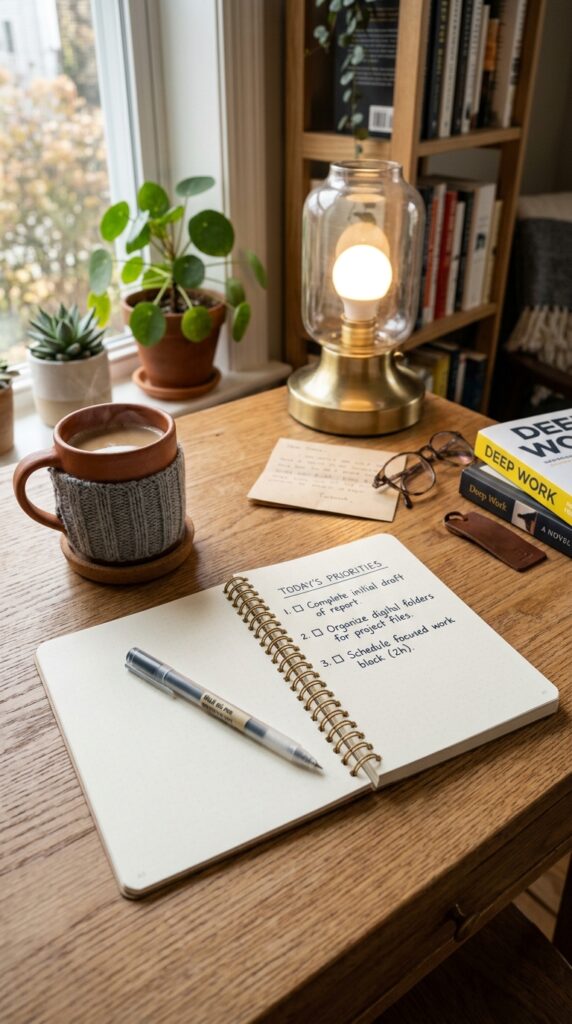
A long morning task list can make the whole day feel crowded before it begins. Writing only three priorities creates a clearer path. The page may still hold work, errands, and home responsibilities, but it no longer asks you to focus on everything at once.
Use a notebook, planner, or scrap paper. Write one important task, one practical task, and one small act of care. For example, you might complete a report, buy groceries, and take a fifteen-minute walk. Avoid adding extra tasks underneath once the list is finished. A lot of people skip limiting the list, but it makes all the difference. A notebook may cost $3 to $15, though an old envelope works for free. Keep the list somewhere visible so you do not need to hold every reminder in your mind.
10. Morning Self-Care With a Phone-Free First Twenty Minutes
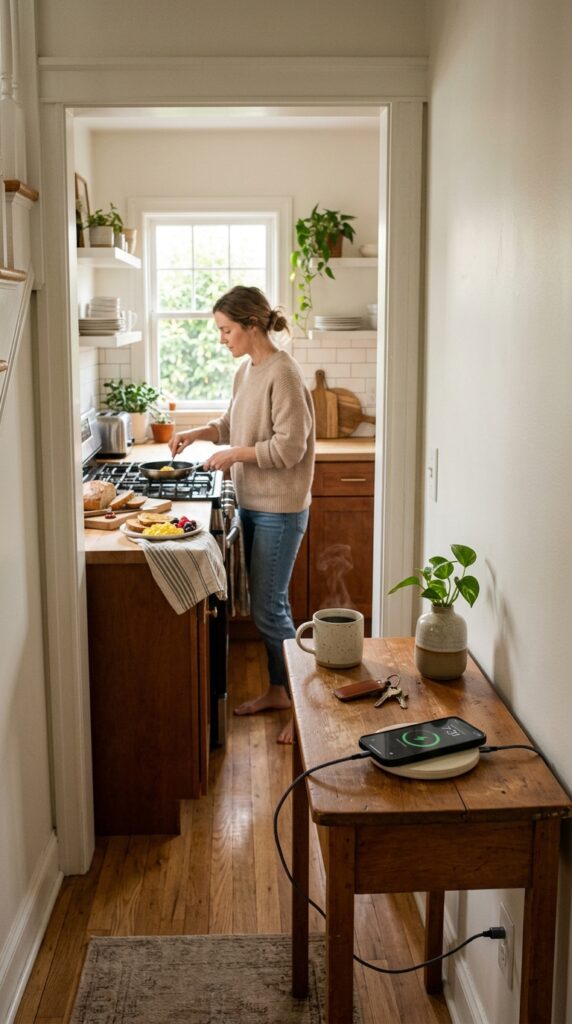
Starting the day without messages gives your attention time to wake up before other people’s needs arrive. The room stays quieter, breakfast feels less rushed, and your thoughts are less likely to scatter between emails, news, and social media.
Charge your phone across the room or leave it in the hallway overnight. Use a simple alarm clock if needed. Spend the first twenty minutes opening the curtains, drinking water, washing your face, or preparing breakfast. Avoid replacing your phone with a laptop or television, since the purpose is to reduce incoming information. This activity costs nothing. A basic alarm clock may cost $8 to $20. Start with ten minutes if twenty feels unrealistic, then increase the time once the habit feels natural.
11. Get Dressed in Clothes That Feel Comfortable
Getting dressed can help you shift into the day, even when you work from home. Soft denim, breathable cotton, loose trousers, and a comfortable knit can feel polished without causing irritation. The goal is to choose clothes that support your routine rather than require constant adjustment.
Set out your outfit the night before when mornings are busy. Choose layers that suit the weather and shoes that match your actual plans. Avoid saving all your comfortable clothing for weekends. You are allowed to wear soft, practical pieces on ordinary workdays. This activity costs nothing when you use what is already in your closet. If you need one reliable base layer, a cotton shirt or comfortable trousers may cost $15 to $50. Keep a small section of your wardrobe for easy outfits to reduce decision fatigue.

12. Clear One Surface Before Leaving the Room
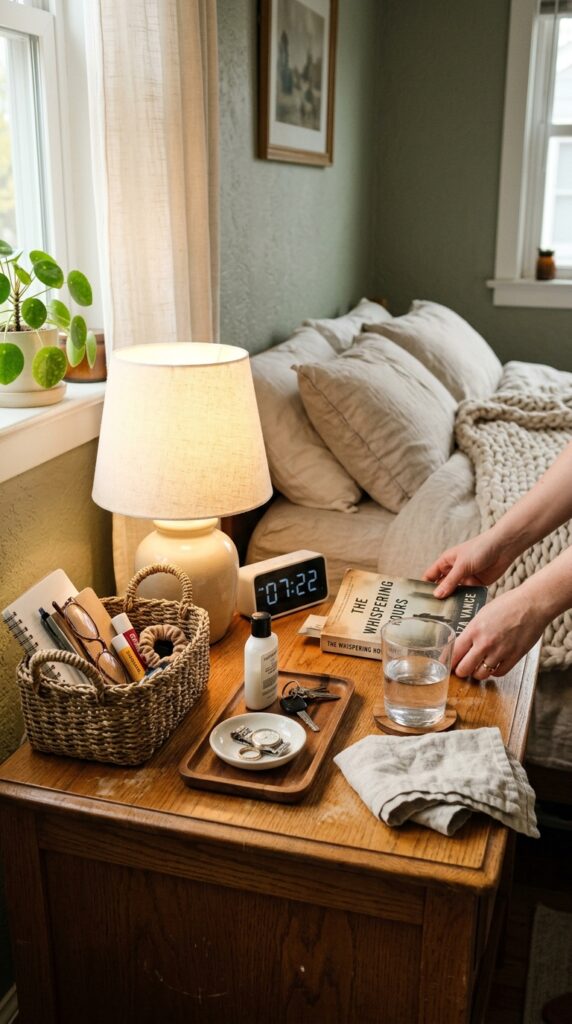
A crowded counter or bedside table can make the morning feel unfinished. Clearing one small surface gives your eyes a calm place to rest when you return later. The warm wood, lamp, or clean fabric underneath becomes visible again.
Choose an area no larger than a tray. Put away obvious items, throw out rubbish, and place uncertain objects into one basket. Stop when the chosen surface is clear. I always recommend this when someone wants a calmer home without beginning a full decluttering session. Avoid opening drawers or reorganizing a closet during a busy morning. This activity costs nothing when you reuse a shopping bag or box. A small tray, basket, or drawer divider may cost $5 to $20 if you want a more permanent setup.
13. Play Soft Music While You Get Ready
Quiet instrumental music, gentle acoustic songs, or familiar favorites can make the morning feel less abrupt. The sound fills the room without demanding your full attention. It can soften the routine of dressing, packing lunch, or making the bed.
Choose one playlist or album the night before so you do not spend the morning searching. Keep the volume low enough that it feels like background sound. Avoid songs tied to stressful memories or news-based podcasts that bring too much information into the first hour. A free music service or radio keeps the activity at no cost. If advertisements feel disruptive, use music you already own. A small speaker may cost $15 to $40, though your phone placed across the room works too.

14. Pack Your Bag Before the Last Minute
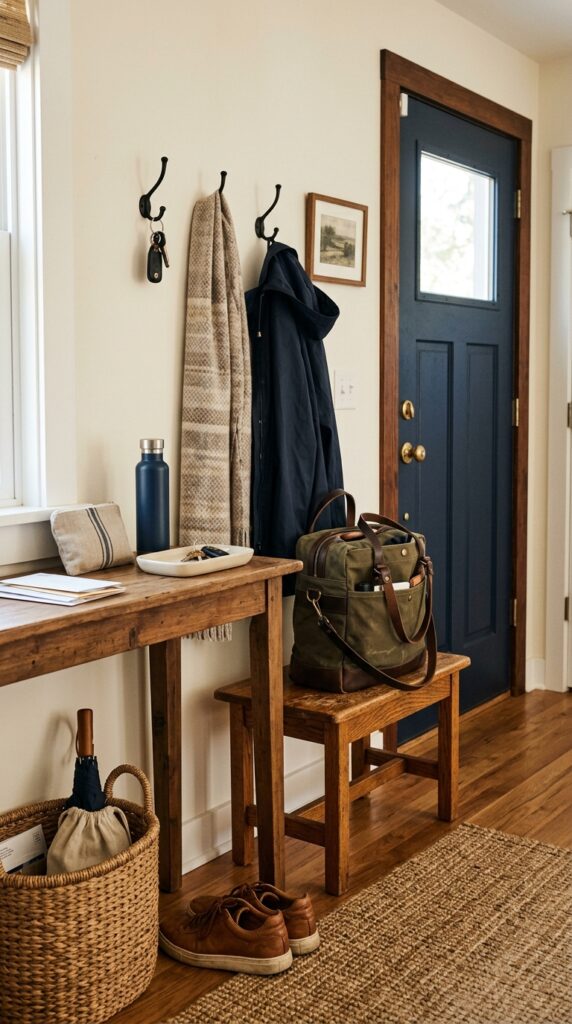
Searching for keys, chargers, and paperwork can undo a calm morning quickly. Packing your bag earlier creates a cleaner transition from home to work, school, errands, or appointments. A ready bag beside the door can make the final minutes feel less scattered.
Use a small tray or hook near the entryway for keys and other daily items. Check that your bag contains your wallet, water, charger, medication, and anything specific to the day. Do this the night before when possible, or give yourself five quiet minutes in the morning. Avoid carrying unnecessary items that make the bag heavy and difficult to search. This activity costs nothing. An entryway hook, pouch, or small basket may cost $5 to $25 and can support useful small space storage.
15. Create a Morning Self-Care Tea Ritual
A morning tea ritual gives your hands a slow and familiar sequence to follow. Water warms, steam rises, and the ceramic mug feels comforting against your palms. The quiet process can help you move into the day without rushing straight into responsibilities.
Choose one tea you enjoy and keep it easy to reach. Prepare it while breakfast cooks or while you review your three priorities. Sit down for at least a few minutes instead of carrying the mug through several chores. Avoid buying several specialty blends before you know what you will actually drink. One serving may cost less than $1. A mug, small tea tin, or wooden tray may cost $5 to $25, but using items already in your kitchen works just as well.
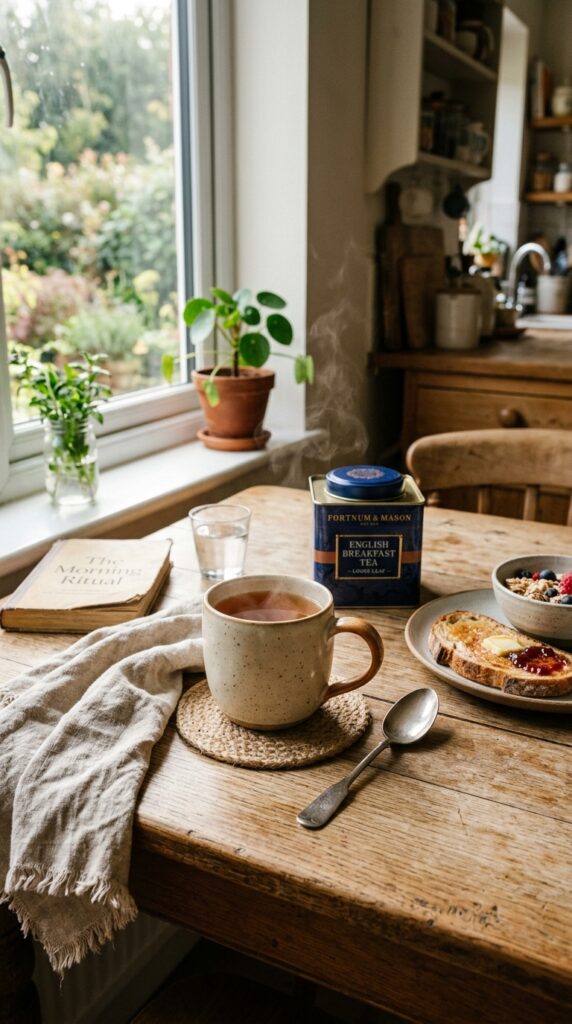
16. Read Two Pages of Something Gentle
Reading a small amount in the morning can give your attention one quiet place to rest before the day becomes busy. A familiar novel, poem, essay, or magazine can feel like calm company beside a warm drink and soft daylight.
Keep the book near your breakfast table or favorite chair. Read only two pages or for five minutes so the activity fits a normal routine. Choose something comforting rather than a difficult book that feels like work. Avoid scrolling for reading recommendations during the time you planned to read. Borrowing from a library keeps the activity free. A secondhand book may cost $2 to $10. Re-reading something you already own is also useful because familiarity reduces the need to concentrate deeply.

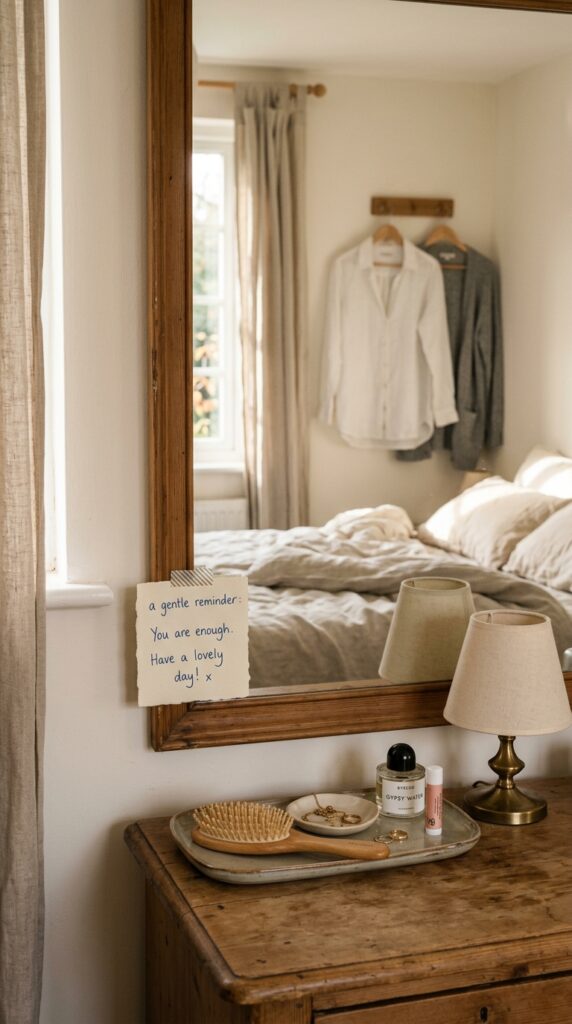
17. Choose One Kind Thought for the Day
The way you speak to yourself in the first hour can shape how every small mistake feels later. A kind thought does not need to be dramatic or overly positive. It might be, “I can take the day one step at a time,” or, “I do not need to finish everything this morning.”
Write the sentence on a small piece of paper and place it near your mirror, planner, or laptop. Choose words that feel believable rather than forcing a statement you do not connect with. In my experience, the biggest mistake here is choosing a phrase that creates more pressure, such as expecting yourself to be positive all day. The goal is gentleness, not denial. This activity is free. A small notepad may cost $2 to $8, though scrap paper works just as well.
Final Thoughts on Morning Self-Care Ideas
A calmer morning does not require waking up at sunrise, buying new products, or following a long routine before work. Small actions often create the most useful change. Opening the curtains, drinking water, wearing comfortable clothes, or writing down three priorities can help the morning feel less crowded.
Start with one or two morning self-care ideas for a calmer start. You might keep your phone away for the first ten minutes and make a simple breakfast. Another day, you may prefer a quiet stretch or a few pages of reading. Your routine can change with your schedule, energy, and responsibilities.
Use what you already own before spending money. A familiar mug, an old notebook, fresh cotton clothing, or an open window can offer enough comfort to make the first hour feel gentler. The goal is not to create a flawless morning. It is to begin the day in a way that supports you.
Which morning idea would you try first? I’d love to hear what you’re planning.
How long should a morning self-care routine be?
A useful routine can take five minutes or an hour, depending on your schedule. Begin with one small activity that feels easy to repeat. A glass of water, open curtains, and two quiet minutes can be enough. Consistency matters more than creating a long routine.
What is the easiest morning self-care activity?
Opening the curtains and drinking water are two of the easiest options. They require little planning and can happen before you fully begin the day. Sitting quietly for a few minutes is another simple choice. Pick the activity that creates the least pressure.
How can I have a calm morning when I have children?
Prepare a few items the night before, such as clothes, breakfast supplies, and packed bags. Choose one short activity that can happen before the household becomes busy or while children eat breakfast. A calm routine may last only three minutes during demanding seasons. Keep your expectations flexible.
Should I avoid my phone every morning?
You do not need to avoid it completely, especially when work, family, or safety requires you to stay available. Try delaying nonurgent scrolling for ten to twenty minutes. Check essential messages first, then close the phone while you get ready. The goal is to protect a small part of your attention.
What should I prepare the night before?
You can set out clothes, pack your bag, fill a water bottle, and decide on breakfast. Keep the preparation simple so your evening does not become another long routine. Even completing one task can reduce morning decisions. Choose the step that usually causes the most stress.