20 Self-Care Ideas for a Relaxing Reset Day
Some weeks leave you feeling tired in a way that sleep alone does not fix. Your room may feel cluttered, your mind may feel noisy, and even small tasks can seem harder than usual. You know you need a break, but planning an expensive spa day or a packed wellness routine may feel like one more thing to manage.
These self-care ideas for a relaxing reset day are simple, calming, and realistic. They focus on helping you slow down, care for your body, clear your surroundings, and prepare gently for the days ahead. You will find cozy home ideas, easy beauty rituals, quiet activities, practical organization, and low-cost ways to feel refreshed.
A reset day does not need to look impressive. You do not need a long checklist or a basket full of new products. Choose a few ideas that match your energy level and leave space for rest. The goal is to finish the day feeling lighter, cleaner, and a little more supported than when you started.
1. Begin with a Slow, Screen-Free Morning
A quiet morning sets a softer pace for the rest of your reset day. Instead of reaching for your phone, open the curtains, let natural light into the room, and sit with a warm drink. Fresh cotton bedding, gentle sunlight, and a calm room can help your body wake up without feeling rushed.
Place your phone across the room or keep it on silent for the first 30 minutes. Make tea, coffee, or warm lemon water, then sit somewhere comfortable. You do not need special supplies, though a ceramic mug or simple tea blend may cost $8 to $20. In my experience, the biggest mistake here is replacing phone scrolling with a long task list. Keep this first part of the day quiet. Avoid checking emails or news until you have eaten and fully woken up.
2. Refresh Your Bed and Bedding
Fresh bedding can make your whole room feel cleaner and more restful. Crisp cotton sheets, smooth pillowcases, and a softly folded throw create a comfortable place to rest later. Even if the rest of the room is simple, a freshly made bed gives the space a calm center.
Wash your sheets, pillowcases, and light blankets according to the care labels. Open the windows while the bed is bare so the room can air out. If replacing anything, a basic sheet set may cost $30 to $80, though washing what you already own works just as well. A lot of people skip cleaning the pillows and mattress cover, but it makes all the difference. Check whether they can be washed and allow everything to dry fully. Avoid adding too many decorative cushions, since they can make daily bed making feel tiring.
3. Take an Unhurried Shower or Bath
Warm water can help you feel physically refreshed after a busy or stressful week. A clean towel, gentle steam, and a lightly scented body wash create a quiet pause from everything waiting outside the bathroom. The experience feels more comforting when you are not rushing to get dressed immediately afterward.
Set out fresh towels, clean sleepwear, body lotion, and hair products before you begin. Use a body scrub only if your skin tolerates it, and keep the water warm rather than very hot. A simple bath or shower setup may cost $10 to $35. What I personally love about this is that it can feel restorative without requiring an appointment or expensive treatment. Avoid using several new products at once, especially if your skin is sensitive. One gentle cleanser and moisturizer are often enough.
4. Try a Simple At-Home Facial
An at-home facial gives you time to care for your skin without turning the process into a complicated routine. Clean skin, a soft headband, and a cooling face mask can make the afternoon feel slower and more restful. The goal is comfort and hydration rather than trying to fix every skin concern in one day.
Cleanse gently, apply a familiar hydrating mask, then finish with moisturizer and sunscreen if it is daytime. A basic mask may cost $5 to $20, while reusable tools such as a soft headband or facial cloth may cost another $5 to $15. In my experience, the biggest mistake here is using strong exfoliants and several active products together. A reset day is not the time to experiment aggressively. Avoid products that have caused irritation before, and follow the instructions carefully.
5. Give Your Hair a Deep Conditioning Treatment
A slow hair treatment can make dry or tired hair feel softer and easier to manage. Damp strands, a creamy mask, and a warm towel create a small salon-like moment at home. This is especially soothing if you often rush through hair care during the week.
Apply a deep conditioner from the middle of the hair to the ends, unless the product says otherwise. Use a wide-tooth comb for even coverage, then leave it on for the recommended time. A treatment usually costs $8 to $30. I always recommend choosing a formula suited to your hair type rather than the most popular one online. The common mistake is using too much near the roots, which can leave fine hair heavy. Rinse thoroughly and let your hair dry gently without excessive heat.
6. Use Self-Care Ideas to Create a Cozy Rest Corner
A small rest corner gives you somewhere to sit without automatically reaching for your bed or phone. A comfortable chair, soft throw, warm lamp, and nearby book can turn an unused corner into a quiet place for tea, reading, or simply sitting.
Use what you already own before buying anything new. Move a chair near a window, add one cushion, and place a small table or stool beside it. A budget setup may cost $25 to $100 if you need a lamp or textile. What I personally love about this is that it creates a visual reminder to slow down. Avoid filling the corner with too many decorative objects. Leave room for a cup, book, and your hands to rest. Soft cream, muted pink, sage, or warm brown can help the area feel calm.
7. Declutter One Small Surface
A clear surface can make your room feel calmer without requiring a full cleaning day. A tidy bedside table, bathroom counter, or desk gives your eyes somewhere to rest. The change may be small, but it often makes the whole area feel easier to use.
Choose one surface and remove everything from it. Wipe it clean, then return only the items you use or enjoy. Add a tray or small container to group loose objects. A simple organizer may cost $10 to $30, though a dish or box from another room works too. A lot of people start decluttering several areas at once and end up feeling overwhelmed. Finish one surface before moving on. Avoid using the cleared space as a temporary pile later in the day.
8. Prepare a Nourishing Breakfast or Lunch
A reset meal should feel comforting and easy to prepare. Warm toast, fresh fruit, eggs, soup, yogurt, or a simple grain bowl can help you feel cared for without creating a kitchen full of dishes. Colorful ingredients and a clean plate make the meal feel more inviting.
Choose something with protein, carbohydrates, and fruit or vegetables so the meal feels satisfying. Use ingredients you already have and keep preparation simple. A homemade meal may cost around $5 to $15, depending on the ingredients. In my experience, the biggest mistake here is planning an elaborate recipe when you are already tired. Choose food that feels familiar and gentle. Avoid skipping meals because you are busy cleaning or organizing. A reset day should include time to sit down and eat.
9. Drink More Water in a Way You Enjoy
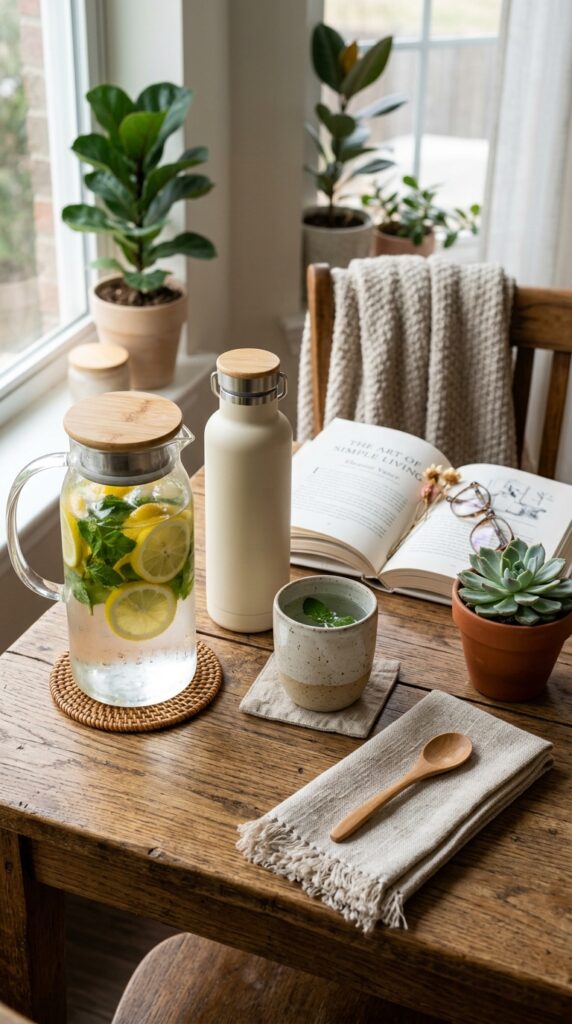
Hydration can be easy to forget when your routine changes. A glass pitcher with lemon, cucumber, berries, or mint can make plain water more inviting without turning it into a complicated wellness ritual. A favorite glass or reusable bottle can also make the habit feel more pleasant.
Fill a bottle or pitcher at the start of the day and keep it close to where you are resting. Add fruit for flavor if you enjoy it, but plain water works just as well. A reusable bottle or pitcher may cost $10 to $35. A lot of people wait until they feel very thirsty, then try to drink a large amount at once. Sip regularly instead. Avoid using sugary drinks as your main source of hydration, especially if they leave you feeling sluggish.
10. Take a Gentle Walk Outdoors
A quiet walk can help you step away from indoor noise and notice your surroundings. Fresh air, soft sunlight, tree shadows, and a comfortable pace can make your mind feel less crowded. You do not need to track distance or turn the walk into a workout.
Wear supportive shoes and choose a familiar, safe route. Leave your headphones off for part of the walk so you can notice birds, leaves, or the sound of your steps. This idea costs nothing, though comfortable walking shoes may cost $50 to $120 if you need them. I always recommend keeping the walk short when your energy is low. Ten or fifteen minutes can still help. Avoid comparing your pace or distance with anyone else.

11. Stretch Your Body Slowly
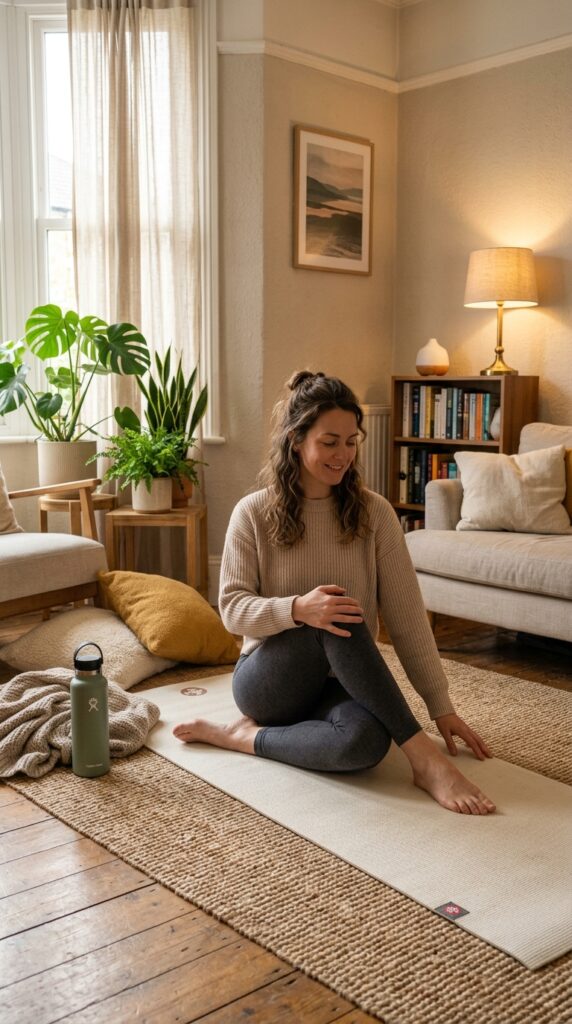
Gentle stretching can help release some of the stiffness that builds up from sitting, working, or sleeping poorly. A soft rug, comfortable clothes, and quiet music create a calm setting where movement feels supportive rather than demanding.
Choose simple stretches for your neck, shoulders, back, hips, and legs. Move slowly and stop if you feel pain. A yoga mat may cost $20 to $60, though a rug or folded blanket can work for light stretching. What I personally love about this is that even ten minutes can make the body feel less tense. Avoid forcing a deeper stretch because it looks impressive. Keep your breathing steady and use a cushion under your knees if needed.
12. Read Something That Feels Comforting
Reading gives your mind somewhere gentle to rest. A familiar novel, light memoir, magazine, or short story can feel easier than scrolling through endless updates. Soft pages, a warm drink, and quiet surroundings create a slower rhythm for the afternoon.
Choose something enjoyable rather than something you feel you should finish. Set a timer for 20 minutes or read one chapter. A library book costs nothing, while a paperback may cost $10 to $20. In my experience, the biggest mistake here is choosing a heavy book when your mind already feels tired. Pick something accessible and comforting. Avoid reading on your phone if notifications easily distract you.

13. Write a Gentle Brain Dump
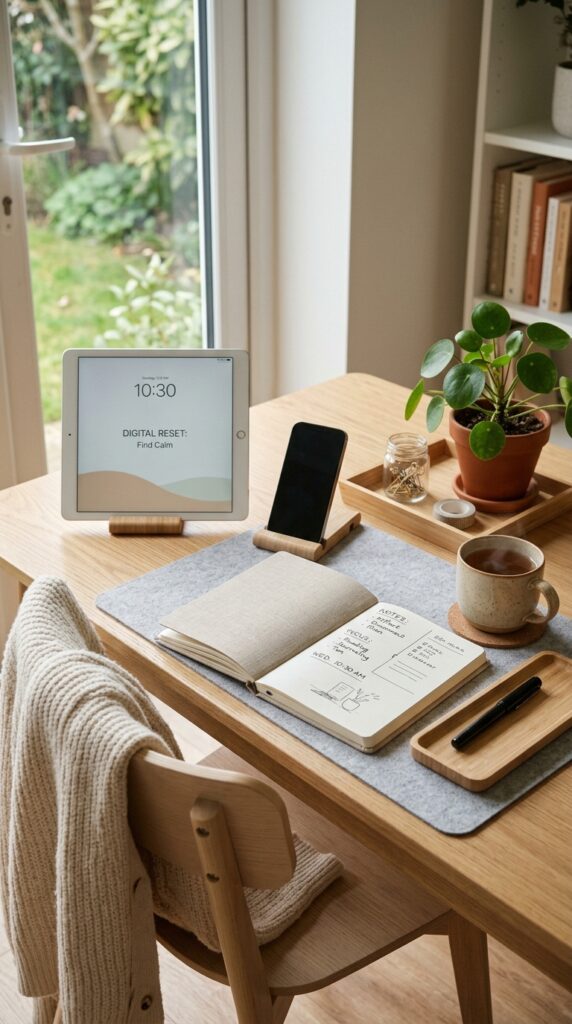
A brain dump can help clear thoughts that have been circling all week. Writing down tasks, worries, reminders, and ideas gives them a place to exist outside your mind. A quiet desk, smooth paper, and a comfortable pen can make the process feel grounding.
Use one page and write without trying to organize everything at first. Afterward, circle only the items that need attention soon. A notebook and pen may cost $5 to $25. A lot of people turn this into a detailed productivity session and lose the relaxing mood. Keep the goal simple: clear your mind, not plan your entire life. Avoid judging what appears on the page. You can tear it up or keep it private when you are finished.

14. Tidy Your Digital Space
Digital clutter can feel just as noisy as a messy room. Too many notifications, unused apps, open tabs, and crowded photo folders can make your phone feel stressful to use. A short digital reset can bring back a sense of control.
Turn off unnecessary notifications, delete a few unused apps, and clear old screenshots or downloads. Set a 20-minute timer so the task does not take over your whole day. This idea costs nothing. In my experience, the biggest mistake here is trying to organize every file and account at once. Focus on the device you use most. Avoid deleting important photos or documents without checking whether they are backed up.
15. Create a Relaxing Reset Day Playlist
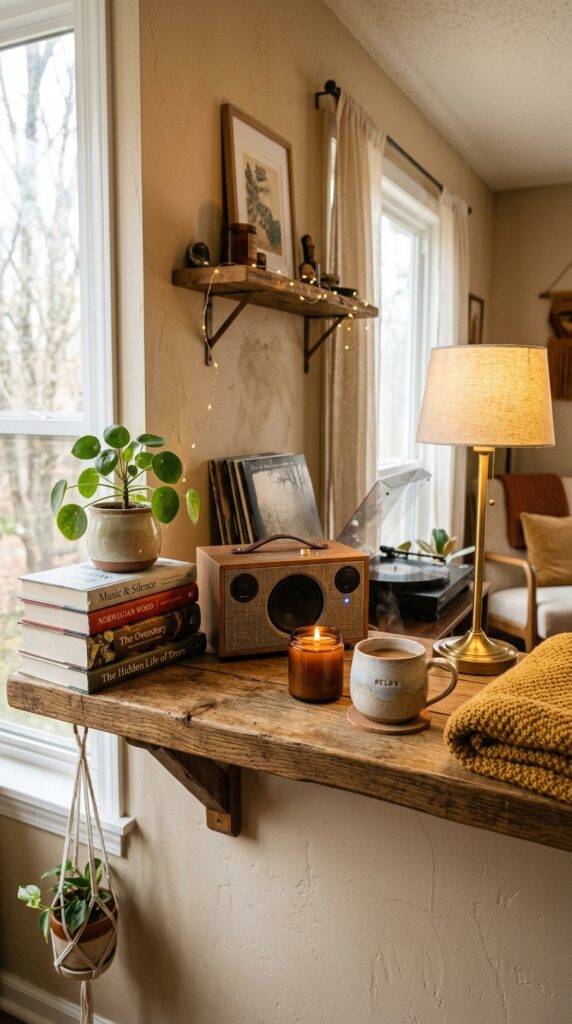
Music can shape the mood of your space without adding clutter or cost. Soft acoustic songs, piano, jazz, nature sounds, or calm instrumentals can make cleaning, cooking, and resting feel more connected.
Create a playlist that lasts one or two hours so you do not need to keep choosing songs. Use a speaker at a low volume and place it away from water or steamy areas. A small speaker may cost $25 to $80, though your phone works too. What I personally love about this is that the same playlist can become a familiar reset-day cue. Avoid filling it with songs that bring up stressful memories or make you feel rushed. Choose music that supports the mood you want.
16. Give Yourself a Simple Manicure
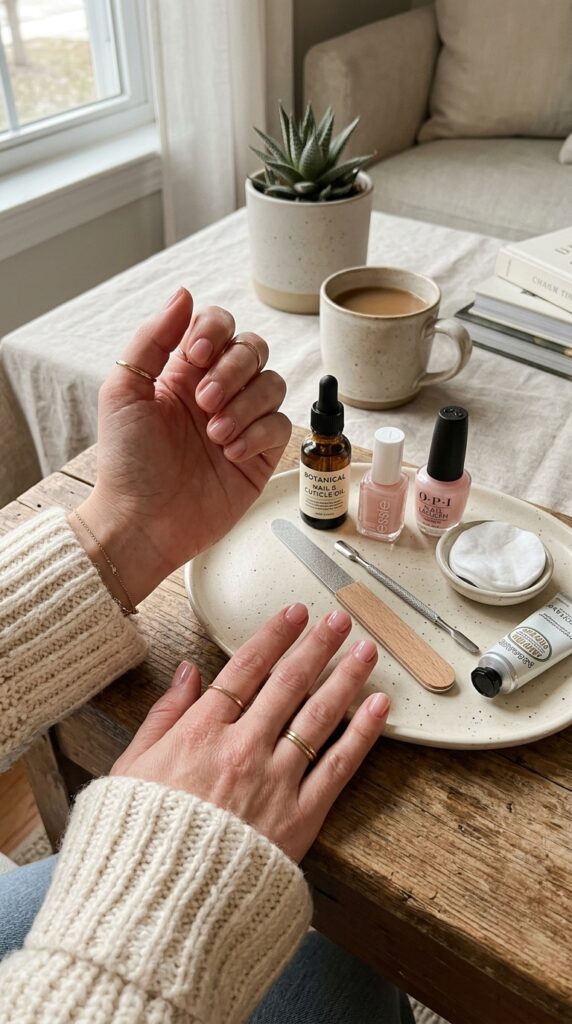
A quiet manicure can help you slow down while caring for a small detail. Clean nails, smooth edges, and a sheer pink or milky polish feel fresh without requiring detailed art. The glossy finish catches soft light and makes your hands feel cared for.
Remove old polish, file the nails, moisturize the cuticles, and apply a base coat followed by one or two thin color layers. A simple kit may cost $10 to $30. I always recommend choosing a forgiving shade when you want the process to feel relaxing. Sheer colors show fewer mistakes than dark polish. Avoid cutting the cuticles deeply or applying thick coats that take a long time to dry. Let each layer set before adding the next.
17. Wear Fresh, Comfortable Clothes
Changing into clean, comfortable clothing can mark the start of a calmer part of the day. Soft cotton, smooth jersey, linen, or lightweight knitwear feels much better than staying in clothes that feel tight or worn from errands.
Choose a matching lounge set, loose trousers with a soft top, or clean pajamas if you plan to stay home. Use neutral or muted colors if they help you feel calm. You may already own suitable clothing, while a new set may cost $25 to $80. A lot of people save their most comfortable clothes until bedtime, but wearing them earlier can make rest feel more deliberate. Avoid pieces that are so oversized or worn that they make you feel untidy. Comfort and care can exist together.

18. Prepare for the Week Gently
A small amount of preparation can help you enjoy the coming week without ending your reset day in a rush. A few planned outfits, a tidy handbag, and one simple meal idea can reduce stress while keeping the evening calm.
Check your schedule, choose two or three outfits, and write down your main appointments or priorities. Keep the session under 30 minutes. A planner may cost $10 to $30, though a phone calendar works too. In my experience, the biggest mistake here is planning every detail and leaving no flexibility. Focus only on what will make the first few days easier. Avoid turning Sunday preparation into several hours of chores.

19. Create a Calm Evening Atmosphere
The final hours of a reset day should feel quieter than the beginning. Warm lamps, soft bedding, a clean room, and low sound can help your body understand that it is time to rest. The atmosphere does not need to be dramatic to feel soothing.
Turn off bright overhead lights and use a table lamp or floor lamp instead. Light a candle only if you can supervise it, or use an LED candle. A warm lamp or candle may cost $10 to $60. What I personally love about this is how quickly the room feels different. Avoid filling the space with several competing scents. One candle, diffuser, or lightly fragranced lotion is enough. Keep pathways clear so the room remains safe in low light.

20. Go to Bed a Little Earlier
An earlier bedtime can give your reset day a clear and supportive ending. Fresh bedding, clean sleepwear, dim light, and a quiet room create a gentle transition into rest. You do not have to fall asleep immediately for the routine to be useful.
Choose a bedtime that gives you enough time to unwind. Put your phone away, lower the lights, and read or stretch for a few minutes. A sleep mask or supportive pillow may cost $10 to $50 if needed, but the habit itself costs nothing. A lot of people stay awake late because they want to extend their free time. That can leave the next morning feeling harder. Avoid drinking caffeine close to bedtime if it affects your sleep, and keep the room comfortably cool.

Conclusion
A reset day does not need to include expensive treatments, a long shopping list, or a packed schedule. The most helpful moments are often simple. Fresh sheets, a nourishing meal, a warm shower, a quiet walk, or an early bedtime can make you feel more comfortable and prepared.
These 20 self-care ideas for a relaxing reset day are meant to support you, not give you another list to complete. Start with one or two ideas that match your energy. You might refresh your bed, take an unhurried shower, and spend the afternoon reading. On another day, you may have enough energy to declutter a surface or prepare a few outfits for the week.
Use what you already own and keep the day flexible. Rest is still valuable even when your home is not spotless and every task is not finished. The goal is to create enough calm that you can return to your routine feeling steadier, cleaner, and less overwhelmed.
Which idea would you try first? I’d love to hear what you’re planning.
FAQs
What should I do on a self-care reset day?
Choose a mix of rest, personal care, light movement, and gentle preparation. You might change your bedding, take a warm shower, eat a nourishing meal, walk outside, and prepare one thing for the week. Keep the schedule loose so the day does not feel like another set of chores.
How can I have a reset day at home on a budget?
Use products, food, books, and home items you already own. Fresh bedding, a screen break, journaling, stretching, and an early bedtime cost little or nothing. Small purchases such as a face mask, candle, or nail polish can be added only if they genuinely help you relax.
How long should a reset day be?
A reset can last a full day, half a day, or even a few hours. The right length depends on your schedule and energy. Focus on a few activities that help you feel better rather than trying to fill every hour.
What is the difference between self-care and being productive?
Self-care supports your physical and emotional comfort, while productivity focuses on completing tasks. Some activities, such as preparing clothes or tidying a room, can do both. The key is to stop before the day becomes exhausting or overly structured.
How often should I plan a reset day?
You can plan one weekly, monthly, or whenever life begins to feel overwhelming. A shorter weekly reset may prevent clutter and stress from building up. Listen to your energy and choose a schedule you can maintain without pressure.