17 Self-Care Ideas for Your Period Week
Period week can make an ordinary schedule feel harder than usual. You may have cramps, feel tired, want quieter evenings, or simply get frustrated by having to search for supplies when you would rather be resting. Trying to keep your usual routine unchanged can sometimes make the week feel even more demanding.
These 17 self-care ideas for your period week focus on practical comfort rather than complicated wellness routines. You will find ways to organize period supplies, prepare easy meals, create a comfortable sleep setup, enjoy gentle movement, reduce screen time, and make your bedroom or bathroom easier to use.
You do not need to buy an expensive self-care collection. Fresh cotton pajamas, a heating pad or hot water bottle, a filled water bottle, simple food, and a basket of supplies can already make your routine feel more prepared.
Use the ideas that suit your body and schedule, and skip anything that does not. Self-care can support comfort, but unusually severe pain, heavy bleeding, or symptoms that interfere with everyday life deserve medical attention.
1. Start With a Period Week Self-Care Basket
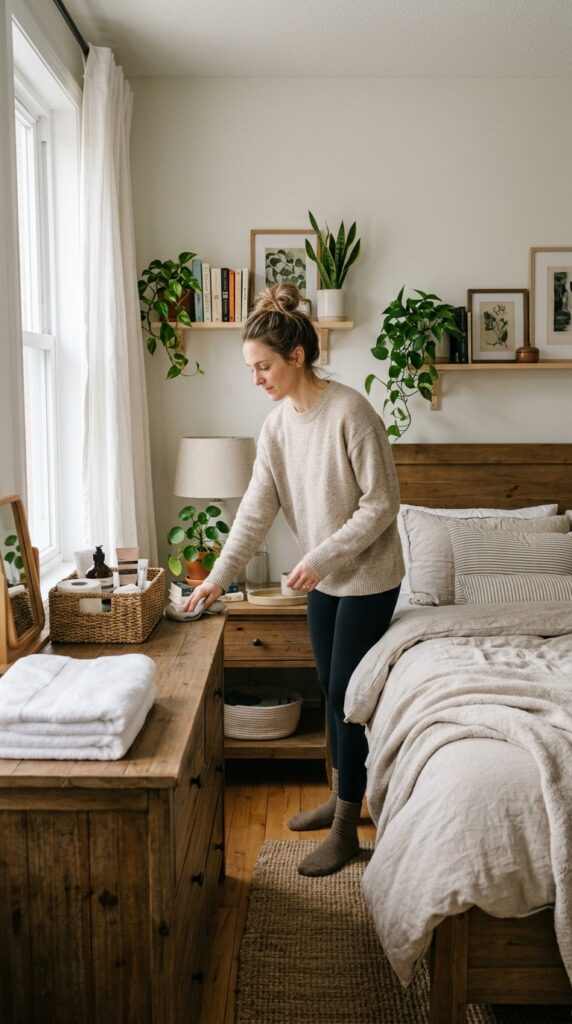
A small basket beside your bed or sofa can make difficult days feel much easier. Instead of searching through bathroom drawers, imagine having your period products, fresh underwear, tissues, hand cream, lip balm, and a few comforting extras within reach. A woven texture, folded cotton fabric, and warm bedside light keep the setup practical while still feeling cozy.
Choose a basket about 12 to 16 inches wide and fill it only with things you actually use. Include your preferred period products, a spare pair of underwear, a small pouch for medications you normally take, and perhaps a book or soft socks. In my experience, the biggest mistake is filling a self-care basket with decorative products that never get touched. Keep it useful. A basic basket may cost $10 to $30, while repurposing a storage bin or tote you already own costs nothing.
2. Keep Gentle Heat Within Easy Reach
Warmth can make a crampy evening feel much more comforting. A heating pad tucked over your lower abdomen while you rest under a soft throw creates a simple routine that does not require much energy. A warm bath or hot water bottle can provide similar comfort.
ACOG and MedlinePlus both list heat among home measures that may help ease menstrual pain. If you use a heating pad, follow its instructions and avoid falling asleep with it switched on. Keep it stored near the sofa or bed so you do not need to search when cramps start. Reusable hot water bottles often cost around $10 to $25, while electric heating pads commonly range from roughly $20 to $50. Avoid temperatures that feel uncomfortably hot against your skin.
3. Prepare a Few Low-Effort Meals
Cooking can feel unusually tiring when your energy is low. Having a few simple meals ready means you can eat without turning dinner into a large project. Warm soup, rice bowls, eggs on toast, pasta, sandwiches, or leftovers can all work depending on what feels appealing.
Before your period week, choose two or three meals that require little chopping or cleanup. Freeze one portion of something you already like or keep pantry basics grouped together. What I personally love about this idea is that it reduces decision making at the end of the day. Avoid planning complicated recipes simply because they look comforting online. Choose food you know you will actually eat. Preparing several basic meals may cost around $15 to $40 depending on ingredients, while using pantry staples can keep the cost lower.
4. Create a Bedside Water Station
Getting comfortable in bed and then realizing your water bottle is across the house is a small annoyance that feels much larger when you are tired. A simple bedside water station keeps your drink nearby and makes your sleep area feel more prepared.
Place a reusable bottle or covered glass on your nightstand each evening. If you enjoy warm drinks, keep tea bags nearby and prepare the drink in the kitchen before settling in. Use a small tray to prevent rings or spills on natural wood furniture. A common mistake is filling the bedside table with so many “self-care” items that it becomes cluttered. Keep only what you need for the evening. A reusable water bottle may cost $10 to $30, while a basic tray often costs $8 to $20.
5. Add Gentle Movement to Your Period Week Self-Care
If you feel up to moving, a slow walk or light stretching session can be a calmer alternative to forcing yourself through an intense workout. Comfortable leggings, a soft cotton top, natural daylight, and ten quiet minutes on a mat can make movement feel less demanding.
ACOG, MedlinePlus, and the U.S. Office on Women’s Health note that exercise or regular physical activity may help some people with menstrual cramps. Choose a level that feels appropriate for you, such as a short walk, gentle yoga, or stretching. Do not treat the session as something you need to “push through” if you feel unwell. Walking is free, while a simple exercise mat may cost between $15 and $40. Use the space and clothing you already have before buying anything new.
6. Choose Clothes That Do Not Fight Your Body
Some days call for clothing that feels soft rather than structured. Loose cotton trousers, an oversized shirt, breathable sleepwear, stretchy leggings, or a relaxed knit set can make sitting, resting, and moving around home more comfortable.
Create two or three easy outfits before the week starts. Place them together on a shelf so you do not need to make clothing decisions when you are tired. Darker bottoms may also feel more practical if leaks are something you worry about. What I personally love about this approach is that it uses your wardrobe rather than turning self-care into another shopping trip. Avoid wearing something tight simply because you had planned the outfit earlier. Comfort can take priority. This idea can cost nothing using clothes you own, while a new cotton lounge set may cost around $25 to $60.
7. Put Fresh Bedding on Before the Week Begins
Fresh sheets can make climbing into bed feel noticeably better after a long day. Cool cotton against the skin, a clean pillowcase, and a neatly folded throw create a restful setting without requiring a full bedroom makeover.
If you roughly know when your period is expected, wash your sheets a day or two beforehand. Choose breathable bedding you already enjoy and keep an extra fitted sheet nearby if leaks are something you experience. A lot of people postpone changing the bed because they think the entire room must be cleaned first. It does not. Fresh bedding alone can make a meaningful difference to the atmosphere. Laundry detergent may cost $10 to $20 if you need more, while an extra basic sheet set usually ranges from $25 to $60.
8. Reduce One Optional Commitment
A busy week can feel heavier when every evening already has a plan. Giving yourself one open block of time can create room to rest, shower slowly, cook something simple, or go to bed earlier without feeling rushed.
Look at your calendar and identify one optional commitment that can be moved, shortened, or skipped without causing a problem. In my experience, the biggest mistake is cancelling everything automatically rather than choosing based on how you actually feel. Some social plans may be enjoyable; others may drain the energy you need elsewhere. Send any change of plans early and clearly. This form of self-care costs nothing. The goal is simply to create breathing room where your schedule allows it.
9. Take a Warm Shower or Bath Without Rushing
A warm shower can be both practical and comforting during your period. Fresh pajamas waiting nearby, a clean towel, soft bathroom light, and an unhurried routine can help the evening feel less chaotic.
MedlinePlus and ACOG list warm baths or heat among home comfort measures for period pain. Set out your towel, period products, clean underwear, moisturizer, and sleepwear before you shower so everything is ready afterward. Avoid turning the routine into a complicated spa night when you are already tired. A warm shower and products you already own may cost nothing extra. A soft towel or simple bath tray may cost between $15 and $40 if you genuinely need one.
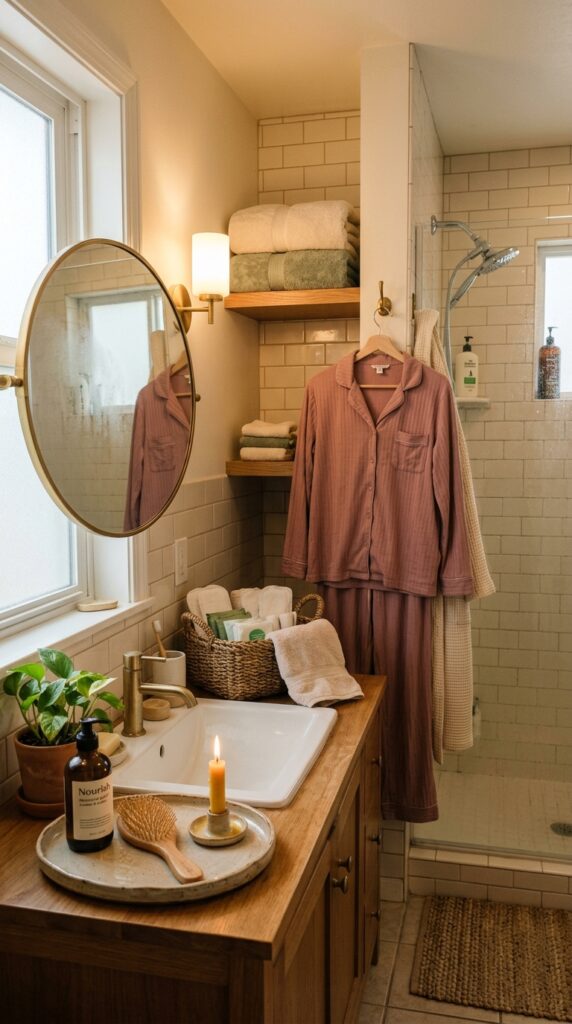
10. Make Sleep Setup Easier Before You Get Tired
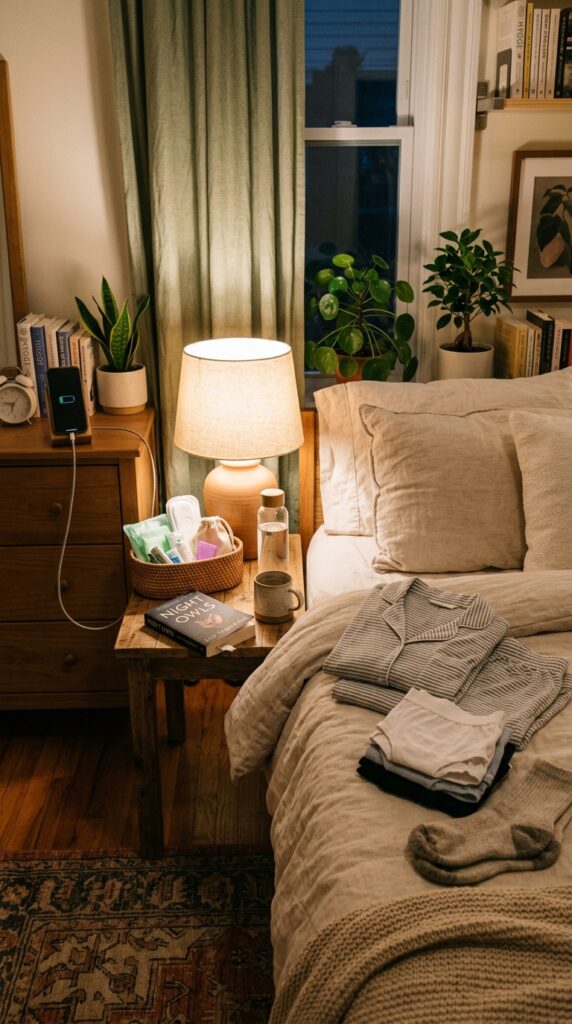
When you are already exhausted, even small bedtime tasks can feel annoying. Preparing the room earlier means you can go straight into your evening routine without searching for pajamas, charging cables, or period supplies.
Place clean sleepwear on the bed, refill your water bottle, set your preferred period product nearby, and move your charger somewhere convenient but away from the pillow if late scrolling keeps you awake. Keep a dim lamp ready instead of relying only on harsh overhead lighting. What I personally love about this is how ordinary it is. You are simply making later decisions easier. Avoid placing every comfort item you own on the nightstand. Clear surfaces usually feel calmer. This setup can cost nothing. A small bedside basket may cost $10 to $25.
11. Try a Low-Screen Self-Care Evening
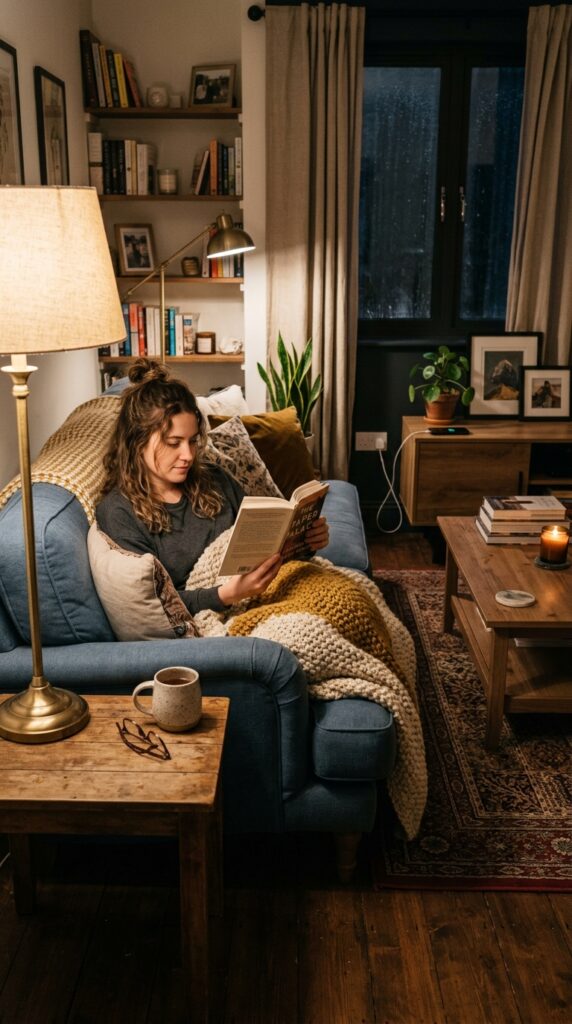
Scrolling can easily fill the exact time you hoped to spend resting. A quieter evening with a paperback, puzzle, journaling, knitting, or an easy film watched without a second screen can feel much more settled.
Choose one hour when your phone stays on charge across the room. Keep an alternative activity where you normally sit, such as a book beside the sofa or a craft basket under the coffee table. A lot of people make phone-free time difficult by removing the screen without choosing anything else to do. Give yourself an easy replacement. A library book can make this free. A puzzle book, sketchpad, or basic craft kit may cost between $5 and $30.
12. Track What Your Period Week Actually Feels Like
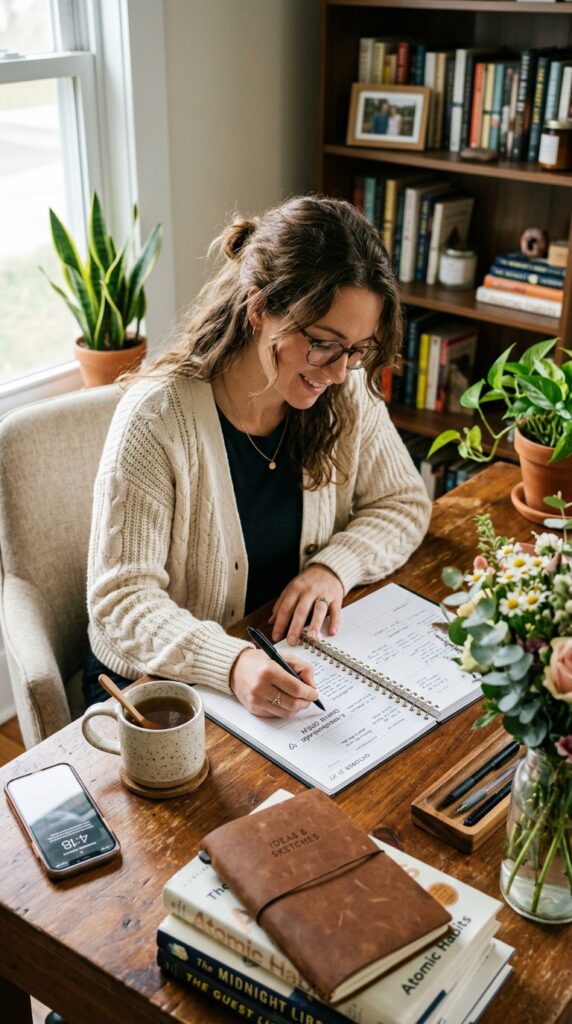
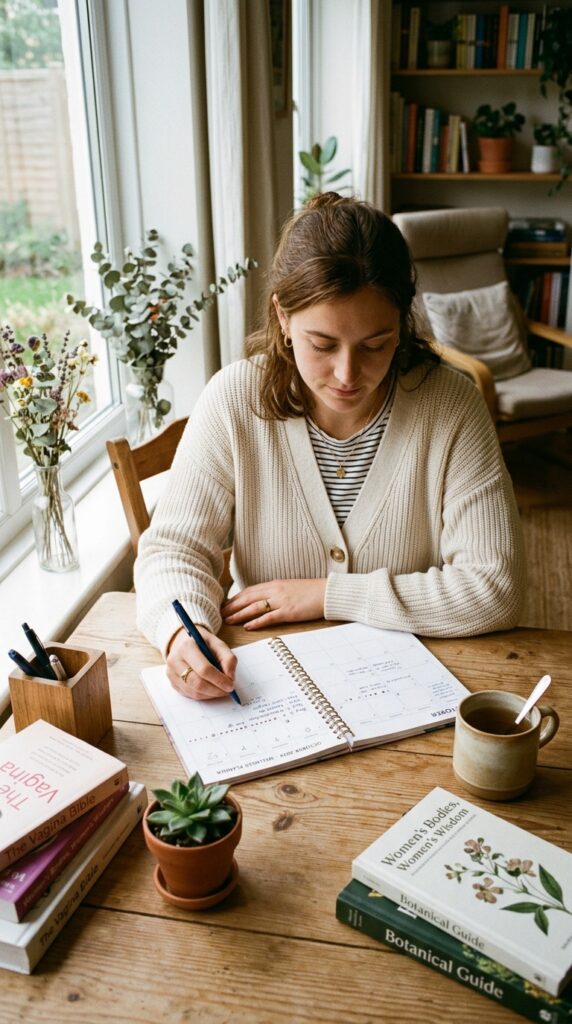
A simple record can help you remember what happened from one cycle to the next. Instead of relying on memory, you can note when bleeding starts, how your energy feels, what discomfort you notice, and anything unusual you may want to discuss with a healthcare professional.
The Office on Women’s Health encourages tracking menstrual periods, and changes in bleeding or pain can be useful information to share with a clinician. Use a paper calendar, notebook, or app and keep the notes brief. Avoid turning tracking into another demanding daily project. In my experience, consistency matters more than detail. A notebook may cost $8 to $20, while a simple calendar or phone note is free.
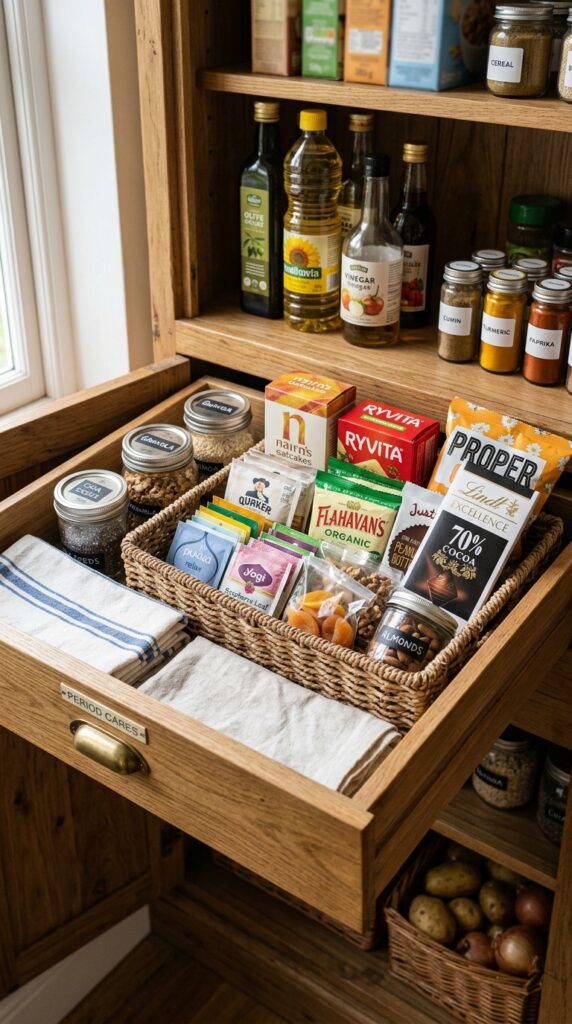
13. Create a Small Period Snack and Tea Drawer
Having a few easy snacks nearby can make a low-energy afternoon more convenient. Crackers, nuts, dried fruit, tea, oatmeal packets, or whatever foods you normally enjoy can sit together in one pantry basket so you do not have to search.
Choose a small container rather than turning a full cupboard into a period-specific supply area. Restock from groceries you already buy. What I personally love about this idea is that it makes comfort practical rather than decorative. Avoid filling the basket with foods simply because social media labels them as “period foods.” Choose based on your preferences, dietary needs, and what feels good to you. A pantry basket may cost $8 to $20, while the snacks themselves can fit within your normal grocery budget.
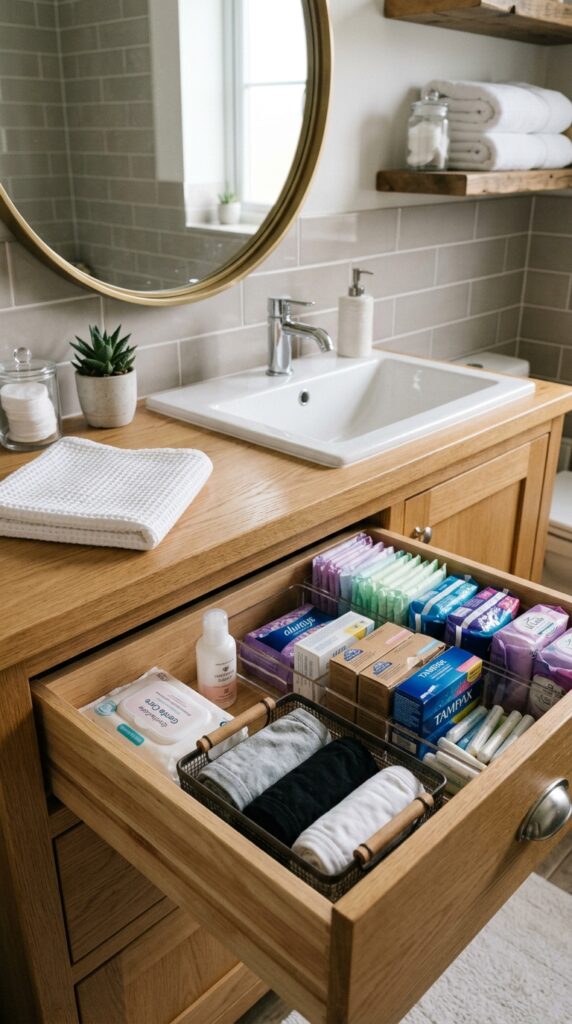
14. Organize Period Products Where You Actually Need Them
Period products are much less stressful when they are easy to reach. Keeping everything hidden at the back of a bathroom cabinet may look tidy, but it is not useful when you need something quickly.
Place your preferred products in a shallow basket, drawer divider, or covered box near the toilet or bathroom vanity. Keep a few extras in your handbag, work bag, or car if that suits your routine. The U.S. Office on Women’s Health notes that people may use different product sizes or absorbencies as their flow changes during a period. A common mistake is overstocking a tiny bathroom until storage becomes crowded. Keep a reasonable supply and refill as needed. A basket or drawer organizer may cost between $8 and $25.
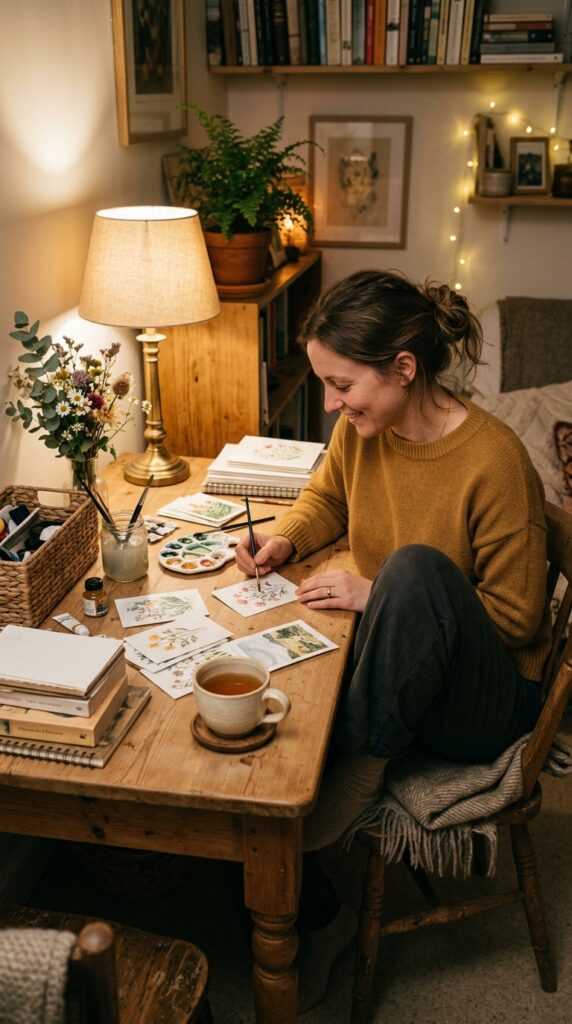
15. Plan a Quiet Creative Night
A creative activity can give you something gentle to focus on when you want to stay home. Watercolor, coloring, knitting, scrapbooking, or writing can fit easily into a cozy evening with a warm drink and comfortable clothes.
Choose a project that can be started and stopped without leaving a large mess. Set the supplies in a tray and work for twenty or thirty minutes, then pack everything away when you are done. In my experience, the biggest mistake is choosing a complicated project that creates more frustration than relaxation. Keep expectations low. A simple art or craft kit may cost between $10 and $35. Using notebooks, yarn, pencils, or old magazines already at home can make the activity free.
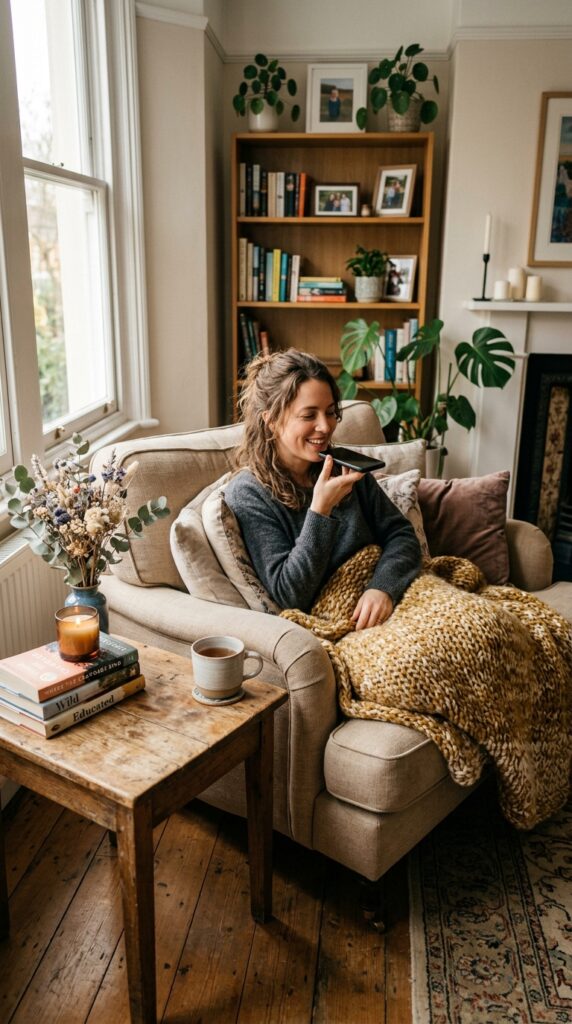
16. Stay Connected Without Forcing Yourself to Socialize
Resting does not have to mean completely disappearing from people you care about. A short phone call, voice message, or quiet tea with someone close can feel comforting when a larger outing seems like too much.
Choose the type of contact that matches your energy. You might send a friend a message, call a family member for ten minutes, or invite someone over for a relaxed movie. What I personally love about this approach is that you can stay connected without pretending to have more energy than you do. Avoid saying yes to a long social plan simply because you feel guilty about cancelling. Honest, simple communication works better. Calling or messaging costs nothing, while tea and snacks at home may cost around $5 to $15.
17. Finish Your Period Week With a Small Reset
When your period is ending, a small reset can help you put supplies away, refresh the bedroom, and prepare for the next week without turning the day into a cleaning marathon. Fresh towels, an emptied bedside basket, clean bedding, and a restocked bathroom drawer can create a simple sense of order.
Spend twenty to thirty minutes returning items to their usual places. Restock only what is running low, wash the heating pad cover if the instructions allow it, and add any useful notes to your period tracker. I always recommend this when someone wants a change without starting over. Avoid using the reset as a reason to deep clean your entire home. One load of laundry and a few organized surfaces are enough. This can cost nothing, or around $10 to $30 if basic period or household supplies need replacing.
Make Period Week Self-Care Simple and Personal
Period self-care does not need to look like a complicated spa routine. Often, the most useful things are surprisingly ordinary: clean pajamas, accessible supplies, an easier dinner, a heating pad, a free evening, or fresh bedding waiting when you are tired.
These 17 self-care ideas for your period week are meant to make everyday routines more comfortable, not add another checklist you need to complete. Start with one or two changes that solve an actual problem. Put supplies beside the bed if you are always searching for them, or prepare simple meals if cooking feels harder during that part of the month.
Most of these ideas can be created from things you already own, so supporting yourself does not require a large budget. Pay attention to what genuinely helps and carry those habits into the next cycle.
And remember that self-care is not a substitute for medical evaluation. Severe pain, significant changes in your periods, or heavy bleeding that affects your daily life should be discussed with a healthcare professional.
Which period week self-care idea would you try first? I’d love to hear what you’re planning.
Frequently Asked Questions
What are some simple self-care ideas during your period?
Start with practical comforts such as fresh sleepwear, accessible period supplies, easy meals, a warm shower, a filled water bottle, and a quieter evening schedule. Heat and gentle activity are also commonly recommended home comfort measures for menstrual pain. Choose only the habits that feel useful to you.
Can a heating pad help with period cramps?
Heat is listed by ACOG and MedlinePlus as a home measure that may help ease period pain. Follow the instructions supplied with your heating pad or hot water bottle. MedlinePlus specifically advises against falling asleep with a heating pad on.
Is exercise okay during your period?
For many people, ordinary physical activity can continue during menstruation if they feel comfortable doing it. ACOG and the Office on Women’s Health note that exercise may help some people feel better or experience fewer cramps. Choose a level of movement that suits how you feel rather than forcing an intense workout.
When should period pain be checked by a doctor?
Seek medical advice if period pain is stopping you from doing your usual daily activities, becomes worse, or comes with other concerning changes. The NHS also advises seeking care for symptoms such as bleeding between periods or increasingly heavy or irregular periods. Self-care should not be used to ignore severe or changing symptoms.
When are periods considered unusually heavy?
Heavy bleeding is worth discussing with a healthcare professional when it is affecting your life or has continued over time. Keeping a record of bleeding patterns and symptoms can make that conversation easier.