15 Self-Care Ideas That Cost Little or Nothing
Self care can start to feel expensive when every suggestion involves a new skincare set, a spa appointment, or a weekend away. When your budget is already tight, spending money to relax may create more stress instead of helping you feel better.
These self-care ideas that cost little or nothing focus on using your time, home, and everyday belongings in gentler ways. You do not need a matching lounge set or a carefully styled bathroom. A clean corner, a warm drink, a short walk, or a quieter evening can still give your body and mind room to recover.
Each idea includes a simple way to begin, a common mistake to avoid, and an honest cost estimate. Most activities are free, while a few may cost less than $10 using basic supplies. Choose one idea that fits your energy today rather than trying to complete the whole list. Small acts of care can still matter, especially when they make your next hour feel calmer and more manageable.
1. Create a Free Self-Care Corner
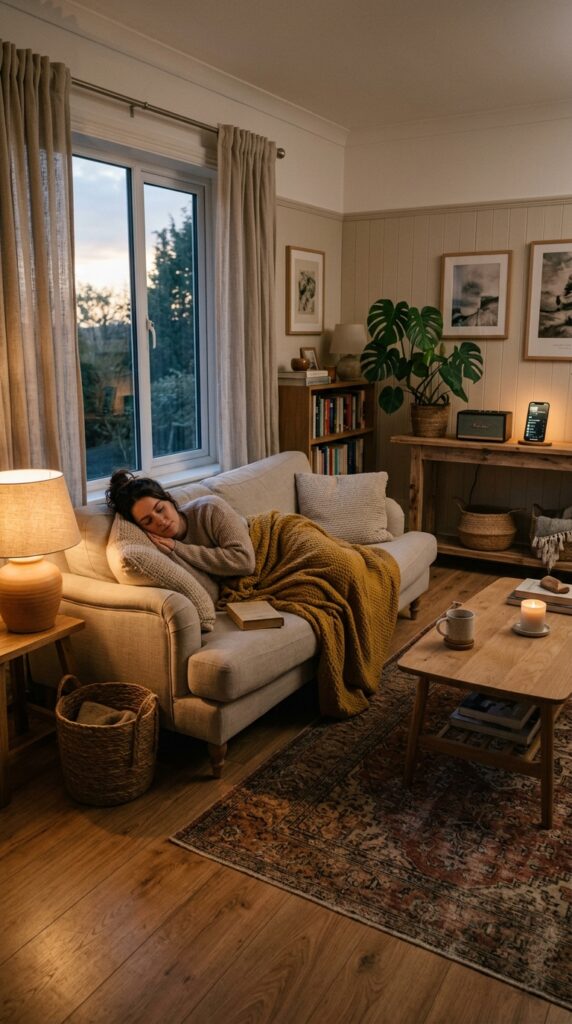
A calm corner gives you one place to sit when the rest of your home feels busy. It might be one end of the sofa, a chair near a window, or a clean section of your bed. Soft cotton, a folded blanket, warm light, and a glass of water can make the space feel more restful without adding new decor.
Clear only the area you plan to use. Add a cushion, book, or small tray from another room. Turn the chair toward a window or away from visible clutter. In my experience, the biggest mistake here is trying to redesign the whole room before taking a break. Your corner only needs to feel comfortable and usable. This idea can cost nothing when you rearrange items you already own. A secondhand cushion or basket may cost $3 to $10 if you need one.
2. Take a Phone-Free Walk
A short walk can create distance from a crowded room, a long task list, or too much screen time. Without messages and videos competing for attention, you can notice the sound of your steps, shifting leaves, distant traffic, and the temperature of the air.
Choose a familiar route that feels safe and takes ten to twenty minutes. Keep your phone with you for emergencies, but place it on silent inside a pocket or bag. Wear comfortable shoes and clothes that do not require much planning. What I personally love about this activity is that it changes your surroundings without asking you to spend anything. Avoid turning the walk into a fitness challenge or checking your step count every few minutes. The goal is a quieter break, not a performance. This self-care activity is completely free.
3. Take a Warm Shower and Change Clothes
A warm shower can help separate a tiring day from the rest of your evening. The steady sound of water softens outside noise, while a clean towel and fresh cotton clothes bring an immediate sense of comfort. You do not need scented candles or a long beauty routine to make the moment feel caring.
Set out clean pajamas, a loose shirt, or soft trousers before you begin. Use products your skin already tolerates and take your time with one simple step, such as washing your hair or gently cleansing your face. A lot of people skip preparing their clothes first, but it makes all the difference when energy is low. Avoid very hot water because it may leave your skin dry or uncomfortable. This activity costs nothing beyond your normal household supplies. A basic body wash or clean washcloth may cost $3 to $8 if needed.
4. Make a Simple Drink Ritual
Preparing a warm or cold drink gives your hands a slow, familiar sequence to follow. The sound of water pouring, the warmth of a ceramic mug, and the scent of tea or coffee can make an ordinary afternoon feel less rushed. Even a glass of cold water with lemon can create a small pause.
Choose a drink already in your kitchen and prepare it without scrolling or doing chores at the same time. Sit down while you finish it. Use a mug or glass you enjoy, even if it is old or mismatched. Avoid buying special powders, syrups, or accessories because social media makes the ritual look complicated. Tea, instant coffee, warm milk, or fruit water may cost less than $1 per serving. The activity is free when you use what you already have.
5. Clear One Small Surface
Visual clutter can make your eyes and mind feel as though there is always another task waiting. Clearing one bedside table, desk corner, or bathroom shelf creates a small patch of calm. Once the loose objects are gone, the surface may reveal warm wood, a simple lamp, or a clean cotton cloth underneath.
Choose an area no larger than a serving tray. Throw away rubbish, return obvious items to their places, and place anything uncertain in one temporary basket or bag. Stop as soon as that surface is clear. I always recommend this when someone wants a change without starting over. Avoid expanding the task into a full closet or room cleanout. This idea costs nothing when you reuse a box, tote, or spare container. A small basket may cost $5 to $12 if you prefer a permanent solution.
6. Borrow a Book From the Library
Reading offers quiet company without asking you to talk, reply, or make quick decisions. A familiar novel, short story collection, magazine, or illustrated book can help your attention settle into one place. Library shelves also offer a calm change of scenery when home feels too familiar.
Visit your local library or use its digital borrowing service when available. Choose something comforting rather than a difficult book you feel obligated to finish. Set a small goal, such as ten pages or fifteen minutes. Avoid turning reading into another achievement to track. Returning to an old favorite is completely reasonable when your mind feels tired. A library card is often free for local residents, and digital borrowing can save travel time. A secondhand book is another budget option and may cost $2 to $8.
7. Stretch for Five Quiet Minutes
Stress often settles into the shoulders, hands, neck, and jaw. A few slow movements can help you notice where your body feels tight after working, driving, or looking at a screen. You do not need workout clothes or a full exercise routine.
Sit in a supportive chair or stand beside your bed. Roll your shoulders slowly, open and close your hands, turn your head gently, and reach your arms overhead if that feels comfortable. Keep every movement easy and stop if you feel pain or dizziness. In my experience, the biggest mistake here is stretching too strongly because you think it will work faster. Gentle movement is enough. This activity costs nothing and takes very little space. A folded towel can replace an exercise mat when you want support.
8. Prepare the Easiest Meal You Can
Feeding yourself can become difficult when you are tired, busy, or emotionally drained. A simple bowl of soup, eggs on toast, pasta with jarred sauce, or rice with frozen vegetables can feel warm and steady without requiring a long recipe.
Look through your pantry and freezer before ordering something expensive. Choose a meal with only a few steps and use one pot, bowl, or tray to reduce cleanup. Convenience foods such as canned beans, prepared rice, frozen vegetables, or sliced bread can help. Avoid judging the meal because it is basic. Care sometimes means making food manageable rather than impressive. A simple serving may cost $2 to $6, depending on what is already at home. Keep two reliable meals available for days when your energy is low.
9. Sit Near an Open Window
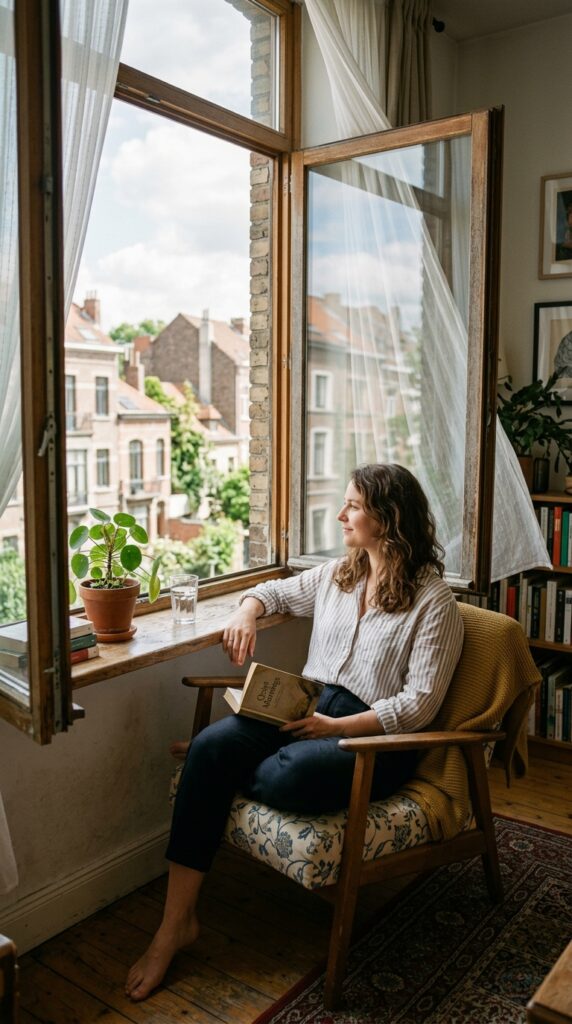
Fresh air and natural light can change how a room feels without requiring you to leave home. Sitting near an open window lets you notice moving curtains, birds, distant sounds, and cooler air against your skin. It can feel especially helpful after spending several hours under artificial light.
Open a safe window or sit near a door, balcony, or porch for five to fifteen minutes. Leave your phone behind and notice a few simple details outside. Add a cushion or folded blanket if the seat feels uncomfortable. Avoid using the moment to answer messages or review your schedule. This activity is free and works in both large homes and small apartments. When opening a window is not practical, sitting beside closed glass with natural daylight can still create a useful pause.
10. Write a Five-Minute Brain Dump
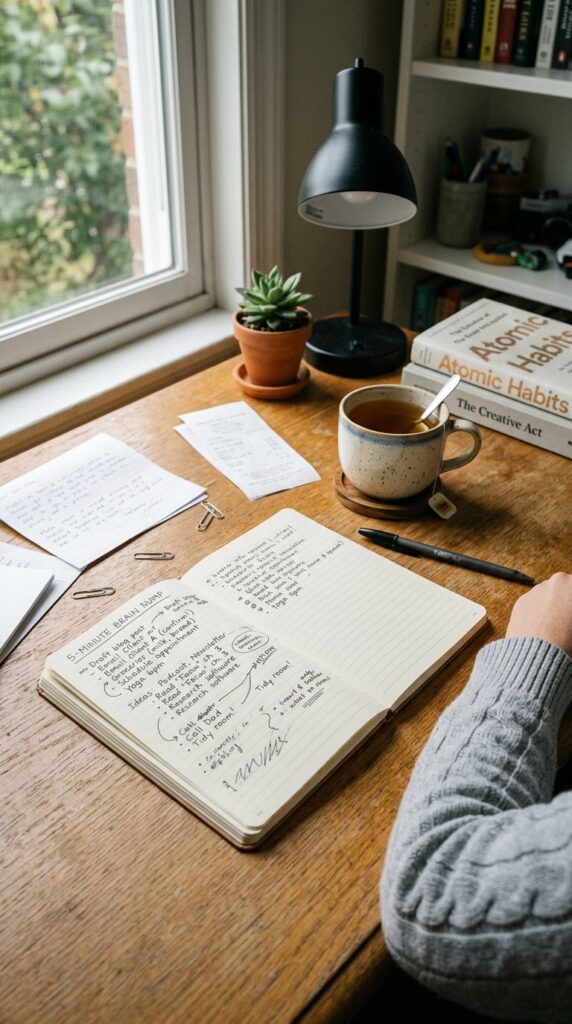
When thoughts keep circling, writing them down can reduce the pressure to remember everything at once. The page does not need good grammar, neat handwriting, or a useful conclusion. It can hold worries, reminders, unfinished ideas, and things you wish you could say.
Set a timer for five minutes and write continuously on any paper you have. Do not organize the thoughts while they are coming out. Once the timer ends, circle one item that deserves attention today. Leave the rest for another time. What I personally love about this is that it gives busy thoughts somewhere to go without demanding an immediate solution. Avoid turning the page into another long task list. A notebook may cost $2 to $8, but scrap paper, an old envelope, or the back of a printed page works for free.
11. Use a Free Playlist to Change the Mood
Music can make a familiar room feel softer without changing the furniture or buying anything. Quiet piano, gentle acoustic songs, nature sounds, or familiar favorites can create a calmer background while you rest, cook, or fold clothes.
Choose one playlist before settling down so you do not spend the entire break searching. Keep the volume low enough that it does not become another source of noise. You can also listen to one album from beginning to end. Avoid choosing songs tied to stressful memories when you already feel emotionally tired. Free streaming services, radio, or music you already own keep the cost at zero. Place your device across the room so you are less likely to start scrolling between songs.
12. Try an At-Home Care Routine
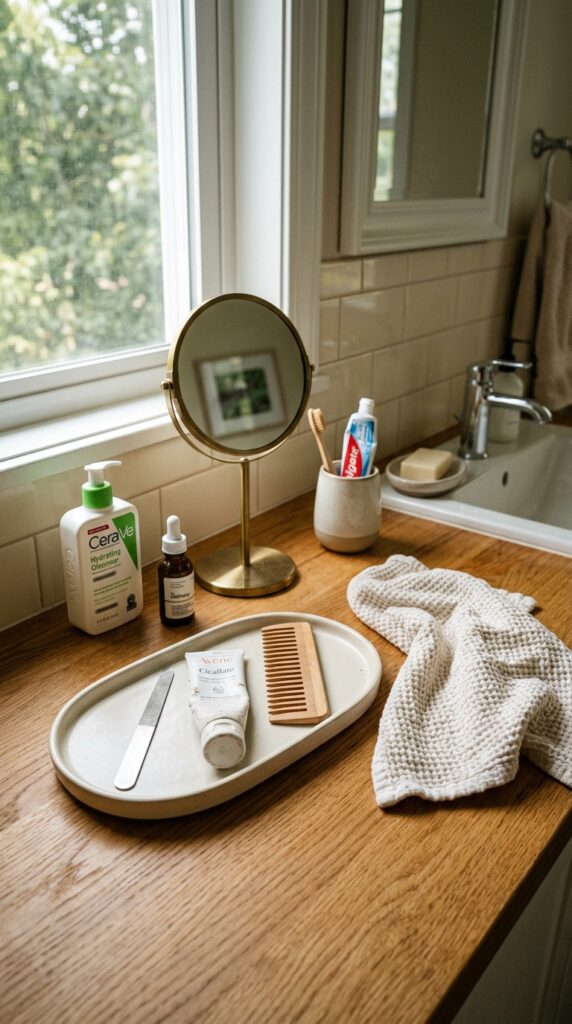
A simple grooming routine can help you feel refreshed without a salon appointment. Trimming and filing your nails, washing your hair, applying lotion, or brushing it slowly can create a sense of care through familiar textures and small visible results.
Choose one activity rather than planning a full beauty afternoon. Use a nail file, comb, moisturizer, or products already in your bathroom. Wash reusable tools before and after use. Avoid trying complicated treatments or strong ingredients because an online trend makes them look necessary. A gentle routine should leave you comfortable, not irritated. This idea is free when you use existing supplies. A basic nail file, hand cream, or wide tooth comb may cost $2 to $10 if you need a replacement.
13. Use What You Own for a Creative Hour
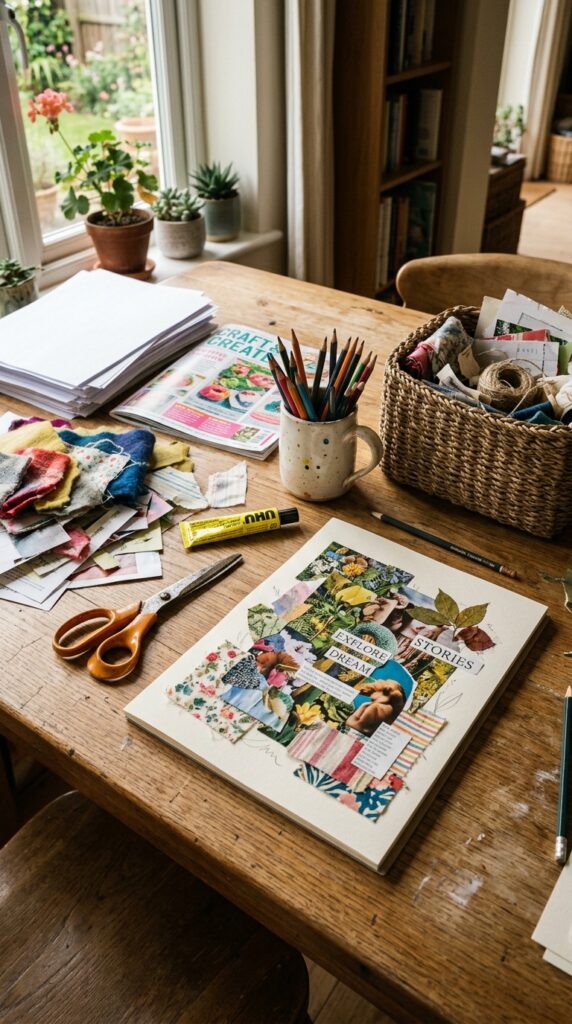
Creative time can give your attention somewhere quiet to rest. Drawing, coloring, making a collage, rearranging flowers, writing a short story, or taking photos around your home can feel absorbing without producing something useful.
Look through drawers before buying supplies. Use old magazines, printer paper, pens, fabric scraps, leftover gift wrap, or the camera on your phone. Set a timer for twenty or thirty minutes and let the result remain unfinished. A lot of people skip creative activities because they think the outcome needs to look good. The value is in doing it, not displaying it. This idea can cost nothing. A small set of colored pencils or an inexpensive sketchbook may cost $4 to $12 if you want fresh supplies later.
14. Cancel or Postpone One Nonessential Task
Self care does not always require adding an activity. Sometimes the kinder choice is removing one demand from your day. Postponing an optional errand, household task, or social plan can create room for food, sleep, work, or quiet.
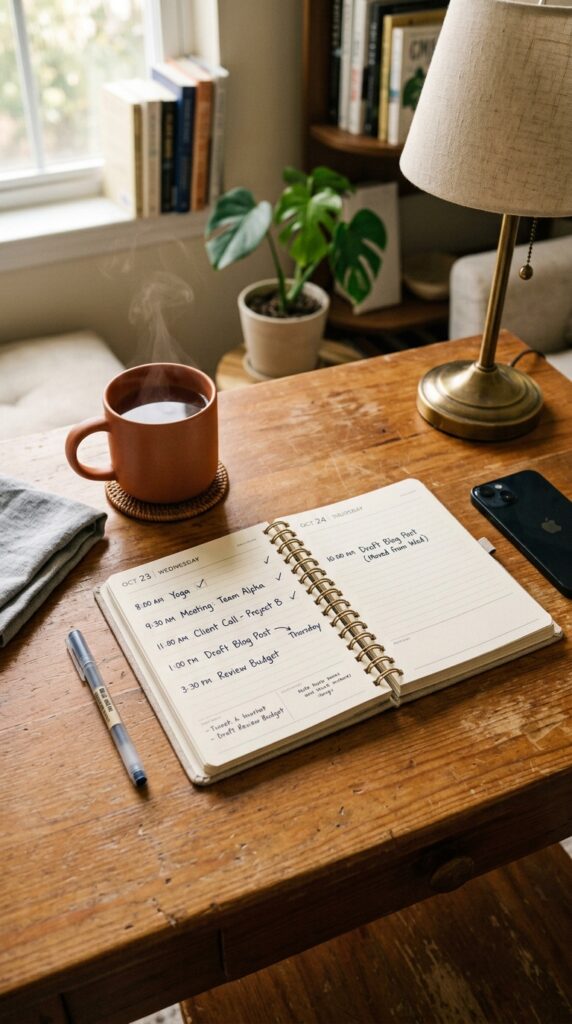
Look at your schedule and choose one task that will not cause serious harm if moved. Reschedule it clearly so it does not keep circling in your thoughts. You may decide to fold laundry tomorrow, decline a casual outing, or order groceries another day. Avoid postponing medication, bills, safety matters, or urgent responsibilities. In my experience, the biggest mistake is replacing the cancelled task with a different obligation immediately. Let the open time remain open. This activity costs nothing and may give you back an hour or an entire evening.
15. Give Yourself an Earlier Bedtime
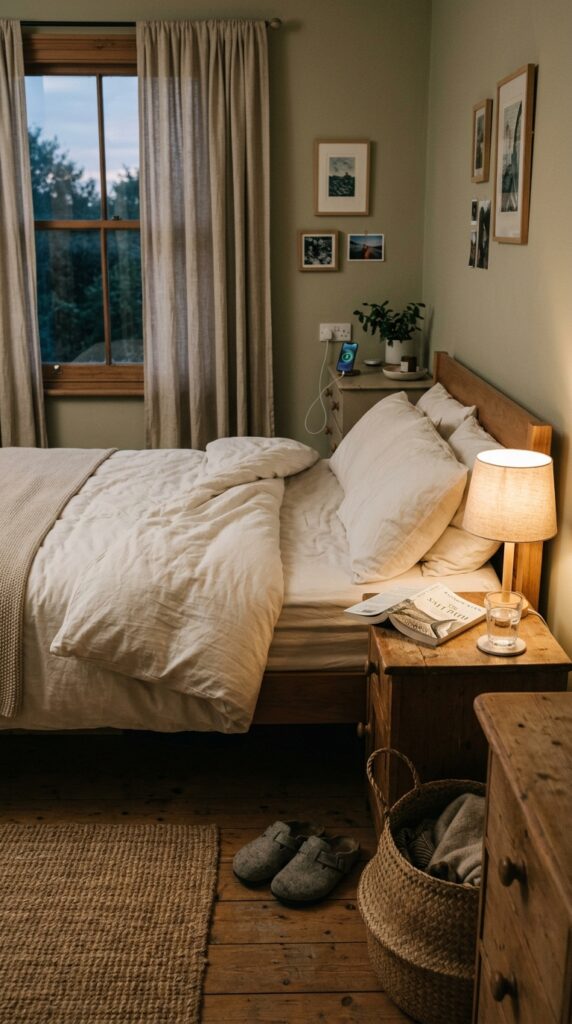
An earlier bedtime can be one of the least expensive ways to care for yourself after a demanding day. Fresh cotton sheets, dim light, and a quieter room may feel more supportive than forcing yourself to stay awake for entertainment or unfinished chores.
Choose a bedtime thirty to sixty minutes earlier than usual. Lower the lights, charge your phone away from the bed, wash your face, and set out what you need for the morning. Keep the routine short so it does not become another project. Avoid scrolling in bed because it can use the time you hoped to spend resting. This idea is free. Washing your existing bedding and clearing the bedside table can make the room feel fresher without buying new items. A warm light bulb or simple eye mask may cost $5 to $12 if helpful.
Final Thoughts on Self-Care Ideas That Cost Little or Nothing
Caring for yourself does not require an expensive routine, a large home, or a collection of new products. Some of the most supportive choices are also the simplest. Drinking something slowly, eating an easy meal, clearing one surface, or going to bed a little earlier can make a difficult day feel more manageable.
Choose one or two self-care ideas that cost little or nothing and fit the energy you have now. You might sit near an open window and write for five minutes. Another day, a warm shower or phone-free walk may feel more useful. There is no need to turn these ideas into another strict routine.
Use what is already around you before shopping. A borrowed book, spare blanket, old notebook, or familiar mug can offer as much comfort as a new purchase when you give yourself time to enjoy it. The goal is not to create an impressive moment. It is to meet one real need with care.
Which low-cost self-care idea would you try first? I’d love to hear what you’re planning.
What are some completely free self-care activities?
Walking, stretching, resting near a window, journaling on scrap paper, listening to music you already own, and clearing a small surface can all be free. Choose activities that use your existing home and belongings. Quiet time and healthy boundaries also cost nothing. The simplest option is often the easiest to repeat.
How can I practice self care when money is tight?
Start by identifying what you need most, such as food, rest, movement, quiet, or connection. Then use items and services already available to you. Libraries, public parks, free playlists, and household supplies can support a calming routine. Avoid shopping for products simply because they are marketed as self care.
Does cleaning count as self care?
Cleaning can feel supportive when you choose a small, clear task. Clearing a bedside table or washing a few dishes may reduce visual stress. It becomes less restful when you pressure yourself to clean the entire home. Set a timer or choose one surface so the task stays manageable.
How often should I schedule self-care time?
There is no single schedule that suits everyone. A few quiet minutes each day may be more realistic than waiting for a full free afternoon. You can also use self care when you notice early signs of tiredness or irritation. Regular small breaks may be easier to maintain than occasional complicated routines.
What should I do when I have no energy for self care?
Reduce the activity until it feels possible. Drink a glass of water, sit down for two minutes, change into clean clothes, or eat a basic snack. Rest itself can be an act of care. If low energy continues for a long time or makes daily life difficult, consider speaking with a qualified health professional.