16 Ways to Become More Graceful and Elegant
It is easy to feel awkward when you are rushing through conversations, adjusting uncomfortable clothes, or worrying about how other people see you. Social media can make grace and elegance look like qualities you either have naturally or need an expensive wardrobe to achieve.
These 16 ways to become more graceful and elegant focus on practical habits rather than appearance alone. Grace can show through the way you move, listen, speak, manage disagreements, and care for your surroundings. Elegance often comes from consistency, self respect, and consideration rather than a certain body type, income, or clothing label.
You will find simple ideas for improving posture, building a polished wardrobe, speaking more calmly, maintaining personal boundaries, and becoming more reliable. Each section includes a realistic way to practice the habit, a mistake to avoid, and an approximate cost where supplies may help.
Choose one or two ideas that address a current challenge. Small habits usually become part of your personality more naturally than trying to change everything at once.
1. Ways to Become More Graceful and Elegant Through Posture
Relaxed posture can make your movements look calmer while helping you feel more comfortable. A lifted chest, loose shoulders, and steady walking pace create a balanced presence without making your body look stiff. The effect feels especially polished with soft tailoring, fresh cotton, and clothing that allows natural movement.
Check your posture when sitting at a desk, looking at your phone, or waiting in line. Place both feet on the floor, bring screens closer to eye level, and release tension from your jaw. In my experience, the biggest mistake is pulling the shoulders back too forcefully. This creates strain rather than grace. Gentle stretching and regular movement can help you notice your alignment. A laptop stand may cost between $20 and $50, while posture reminders and simple stretches are free.
2. Slow Down Your Everyday Movements
Graceful movement often comes from awareness rather than natural talent. Walking too quickly, dropping objects onto surfaces, or rushing through doorways can make you feel scattered. Slower movements allow you to notice your surroundings and handle everyday objects with more care.
Practice completing one routine at a calmer pace. You might set down your cup gently, close drawers quietly, or walk across the room without looking at your phone. What I personally love about this habit is that it makes ordinary moments feel less chaotic. Avoid moving unnaturally slowly for appearance. The goal is control, not performance. Comfortable shoes can help you walk with greater ease and may cost between $40 and $120. Practicing at home costs nothing.
3. Speak Clearly Without Rushing
A calm voice can make conversations feel more respectful and easier to follow. Speaking clearly does not mean hiding excitement or lowering your voice until people struggle to hear you. It means finishing your sentences, choosing direct words, and leaving enough space for others to respond.
Pause for one breath before answering difficult questions. Reduce filler words by speaking slightly more slowly and allowing short silences. Record a brief voice note if you want to hear your pace and volume. A lot of people try to sound elegant by using complicated words that do not feel natural. Clear language is usually more effective. This habit costs nothing. A small notebook for preparing an important conversation may cost between $8 and $20.
4. Listen Without Preparing Your Next Reply
Grace appears in the way you make another person feel heard. Good listening involves looking away from your phone, allowing someone to finish, and asking questions that show you understood the point. It creates warmth without requiring clever advice.
During your next conversation, ask one thoughtful follow up question before sharing your own experience. Put your phone inside your bag or face down on the table. In my experience, the biggest mistake is interrupting with a similar story because you want to show that you relate. Wait until the other person has completed the thought. Listening costs nothing, although meeting a friend for tea may cost between $5 and $20. The value comes from attention rather than the setting.
5. Build a Graceful and Elegant Wardrobe Around Fit
Elegant clothing does not need to be formal or expensive. A clean cotton shirt, dark denim, relaxed trousers, soft knitwear, or a simple dress can look polished when it fits well and suits your routine. Clothing feels graceful when you can sit, walk, and work without constant adjustment.
Create several dependable outfit formulas from pieces you already own. Check shoulder seams, trouser length, waist comfort, and fabric condition before buying something new. What I personally love about this approach is that it reduces rushed outfit decisions. Avoid purchasing clothes for an imagined lifestyle while ignoring what you wear each week. Basic alterations may cost between $15 and $60. A fabric shaver or small steamer can refresh existing clothing for around $15 to $50.
6. Keep Personal Grooming Simple and Consistent
Consistent grooming often creates more polish than a long routine used only occasionally. Clean hair, moisturized hands, neat nails, fresh clothing, and comfortable skin care can help you feel prepared without covering your natural features.
Keep the products you use most on one tray and store backups inside a drawer or basket. Create a short routine that fits ordinary mornings. A lot of people buy several beauty products when they want a fresh start, then feel overwhelmed by the clutter. Finish what works before adding something new. A basic collection of cleanser, moisturizer, hand cream, nail file, and hair care may cost between $25 and $80. You can begin with products already in your bathroom.
7. Treat Your Clothes and Accessories With Care
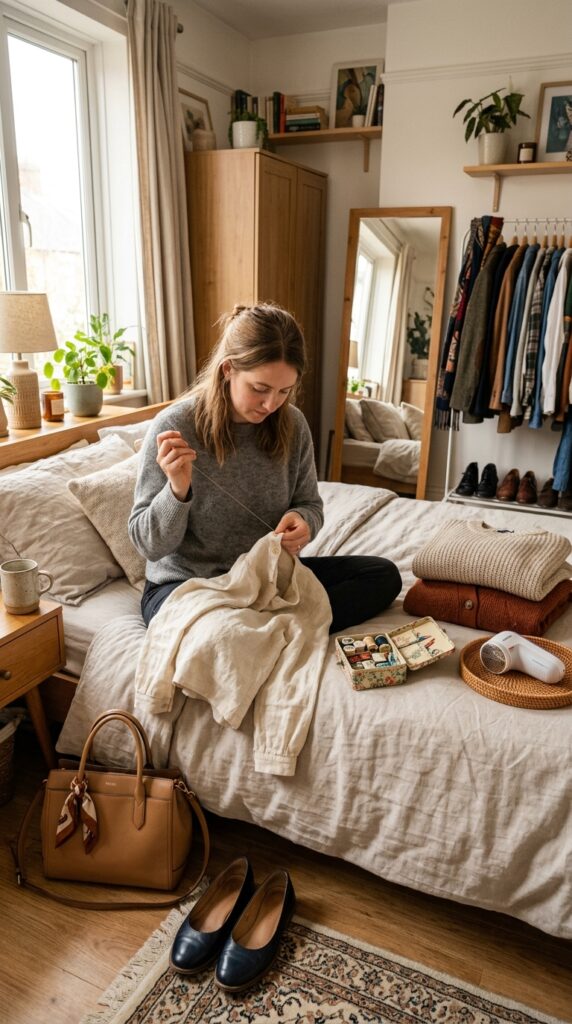
Cared for belongings often look more refined than a large collection of neglected pieces. A polished shoe, repaired handbag, pressed blouse, and neatly stored knit can support a graceful appearance without constant shopping.
Follow garment care labels and deal with small damage quickly. Sew loose buttons, remove lint, clean shoes, and store bags so they keep their shape. In my experience, the biggest mistake is waiting until several repairs have accumulated. Keep a small basket with thread, needles, a fabric shaver, and shoe care supplies. A basic care kit may cost between $20 and $50. Repairing something you already love is often less costly than replacing it.
8. Be Punctual Without Creating a Rushed Entrance
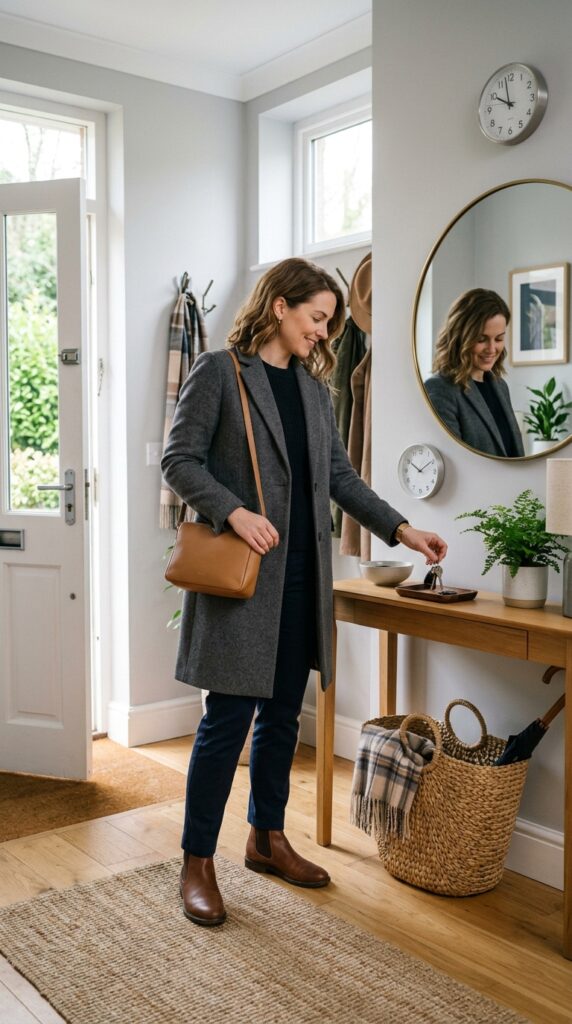
Arriving on time communicates respect and helps you enter a room with more composure. Running through the door while searching for keys or apologizing repeatedly can make you feel unsettled before an event has begun.
Work backward from the arrival time and include dressing, travel, parking, and a small delay buffer. Prepare your bag and outfit the night before when possible. A common mistake is calculating only the drive and forgetting everything that happens before leaving home. Calendar alerts are free, while an entryway tray or wall clock may cost between $10 and $35. Aim to arrive with enough time to settle rather than so early that you create inconvenience.
9. Practice Good Manners Without Becoming Formal
Good manners make everyday interactions smoother. Saying thank you, greeting people, respecting shared spaces, and acknowledging help can create warmth without sounding stiff. Genuine consideration matters more than memorizing complicated social rules.
Start with ordinary moments. Hold a door when practical, clean up after yourself, and thank service workers directly. What I personally love about good manners is that they work in nearly every setting. Avoid using etiquette to judge or embarrass people who follow different customs. The purpose is to make others comfortable, not prove that you know more. This habit is free. A small set of thank you cards may cost between $10 and $25 when a written note feels appropriate.
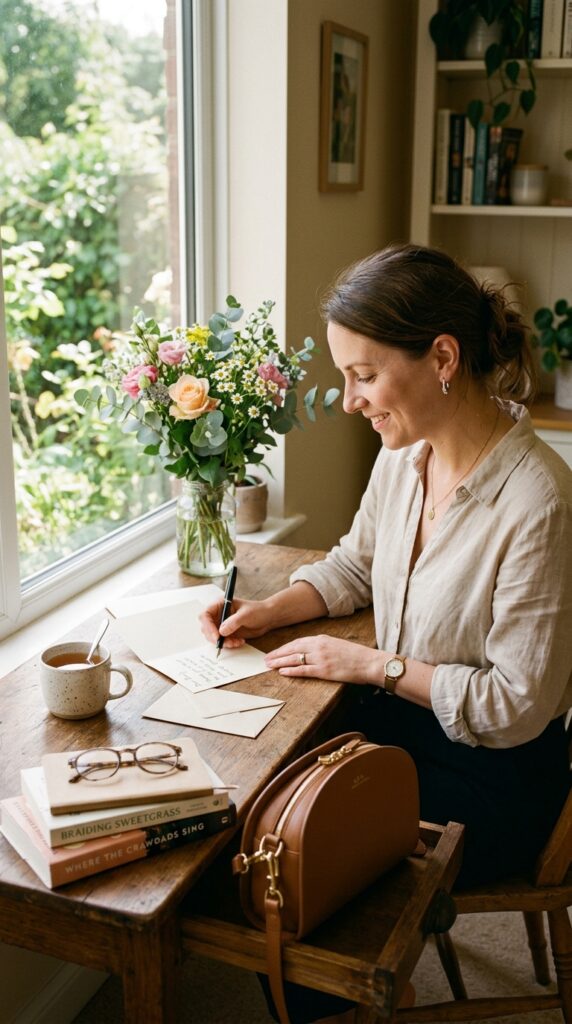
10. Set Boundaries With Calm Language
Grace does not require agreeing to every request. Clear boundaries help you protect your time, privacy, and energy without waiting until frustration turns into anger. A respectful no can be both kind and firm.
Use simple wording such as, “I cannot commit to that,” or, “That does not work for me.” Give yourself time to answer instead of responding immediately under pressure. In my experience, the biggest mistake is offering a long explanation that invites the other person to debate every detail. Keep your answer brief when the situation allows. This habit costs nothing. A journal for writing and practicing difficult responses may cost between $8 and $20.
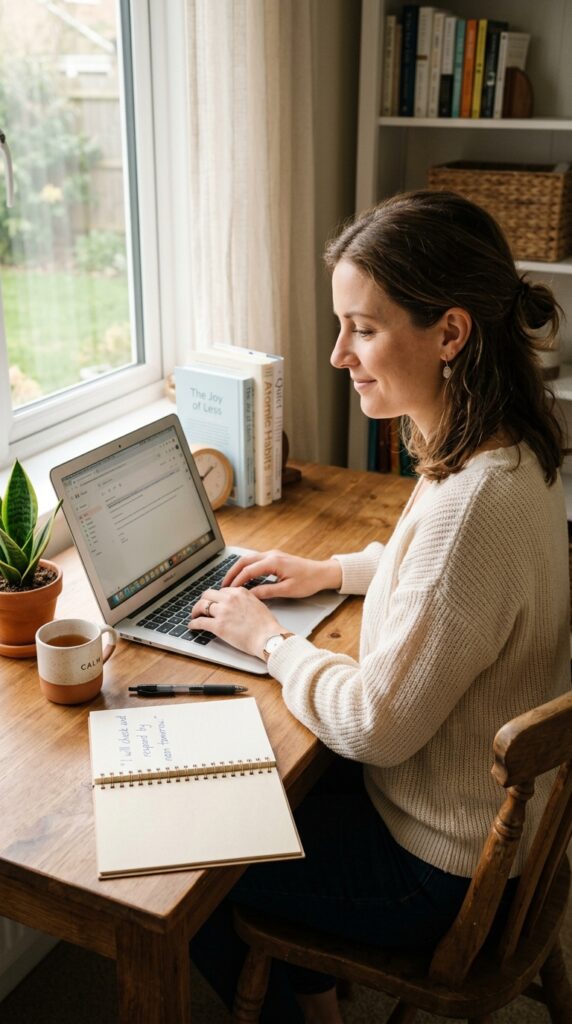
11. Handle Disagreements Without Humiliating Anyone
Disagreements are unavoidable, but cruelty is not. Graceful communication keeps the focus on the issue instead of mocking someone’s character, appearance, or mistakes. You can protect your position while remaining measured.
Describe what happened and what you need next. Speak privately when possible and allow yourself time to cool down before sending a heated message. A lot of people focus on winning the argument and lose sight of the outcome they actually want. Ask whether your words will help solve the problem. This habit costs nothing. Communication books or workshops may range from $10 to $100 if you want more structured practice.
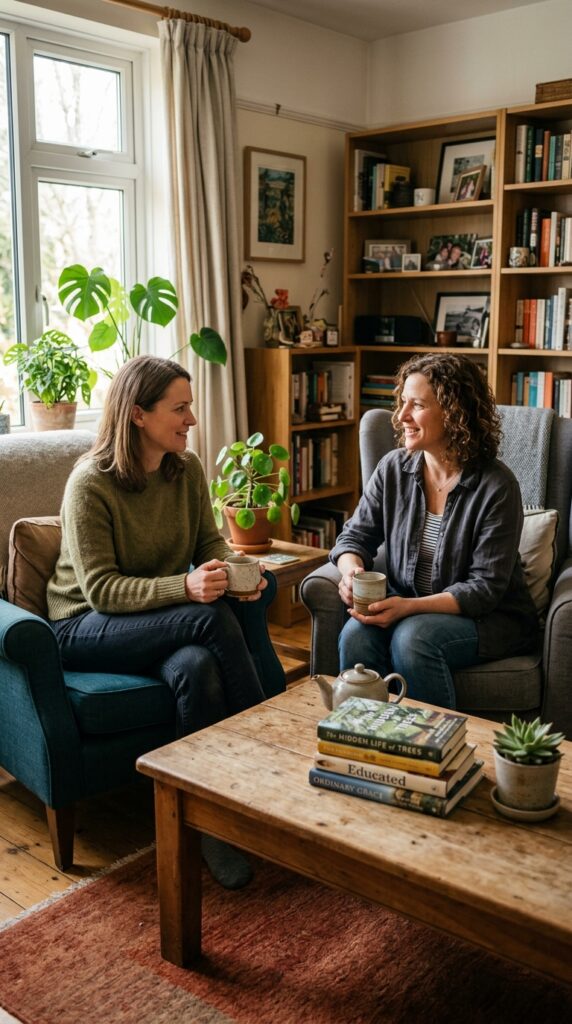
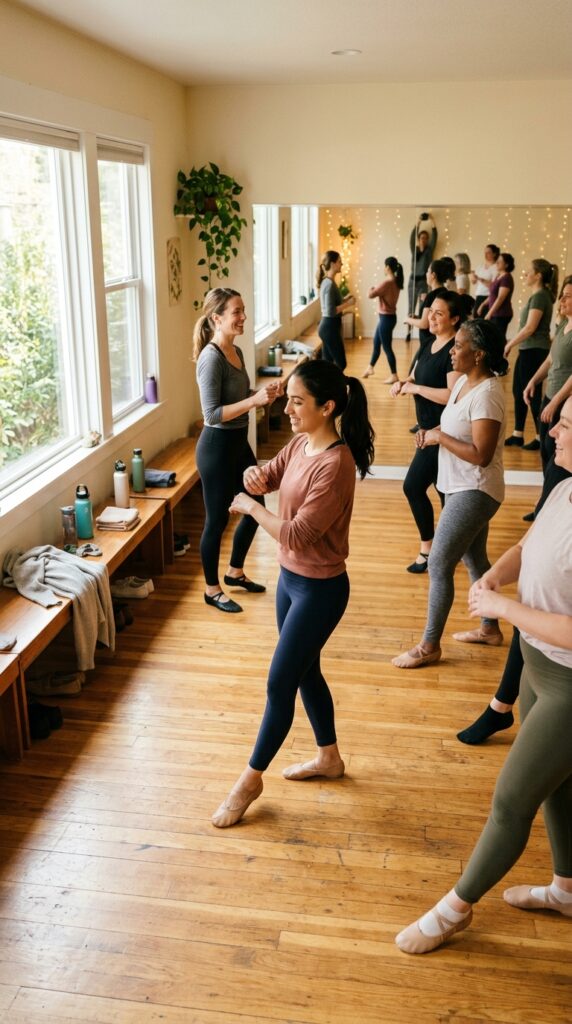
12. Learn How to Become More Graceful Through Dance or Movement
Dance, stretching, and balance exercises can make you more aware of how your body moves through space. A beginner ballet inspired class, ballroom session, or gentle mobility routine can improve coordination while giving you an enjoyable creative outlet.
Choose a class designed for beginners or follow a simple routine at home. Practice turns, weight shifts, and controlled arm movements without forcing flexibility. What I personally love about movement classes is that progress becomes visible through repetition. Avoid comparing yourself with people who have trained for years. Group lessons may cost between $10 and $30 per session. A basic exercise mat for home practice usually costs $15 to $40.
13. Keep Your Bag Organized and Useful
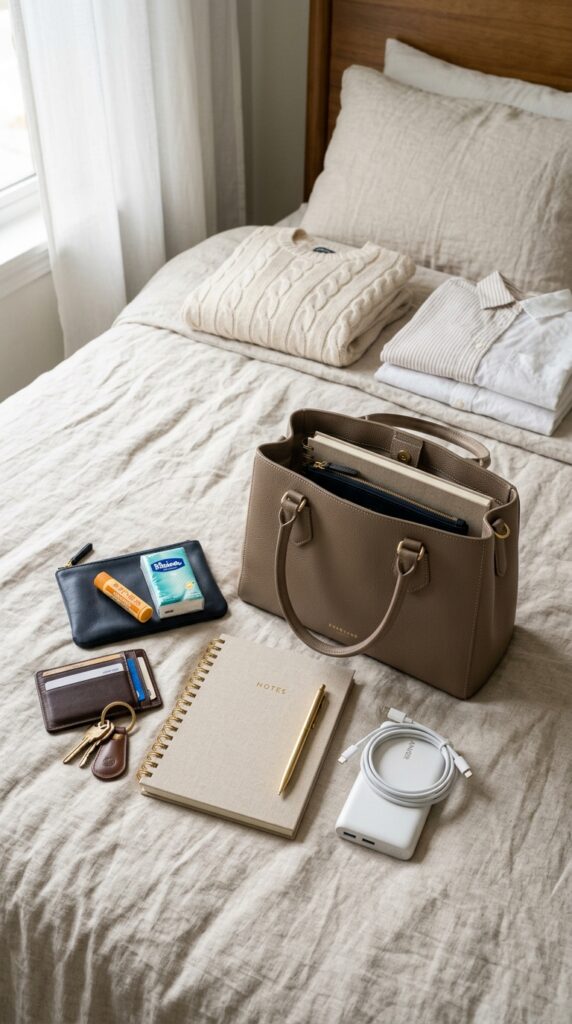
A neat handbag supports a calmer day. When keys, a wallet, tissues, and a pen have clear places, you spend less time searching through receipts, old wrappers, and tangled cables.
Empty the bag once a week and remove anything that belongs elsewhere. Use one small pouch for personal items and another for chargers or work supplies. A common mistake is buying a larger bag instead of reducing what you carry. Choose contents based on your real routine. Small organizer pouches generally cost between $8 and $25, although cosmetic bags you already own work well too.
14. Read Widely and Stay Curious
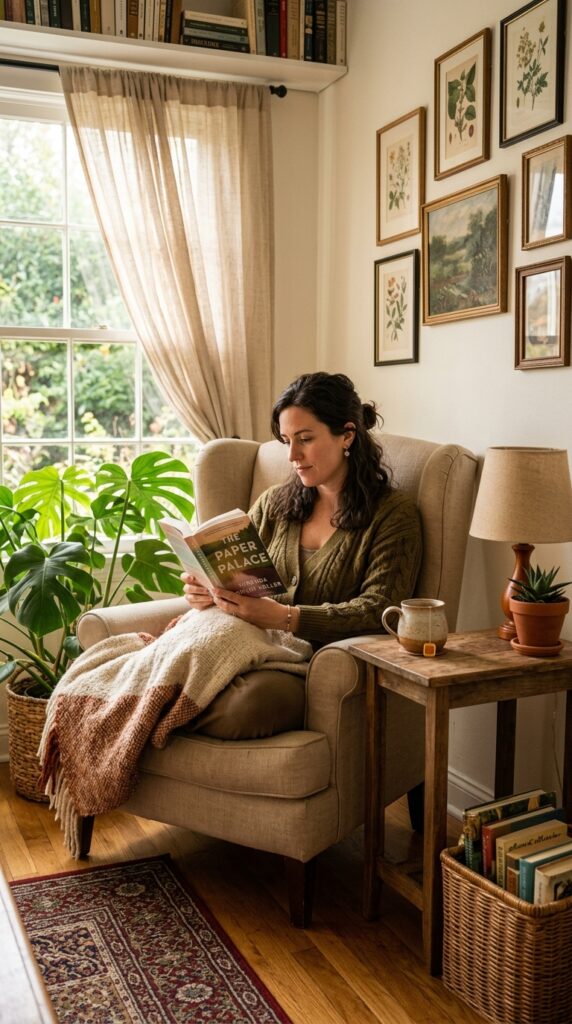
Grace and elegance are strengthened by curiosity. Reading about people, history, art, design, and unfamiliar experiences gives you more thoughtful conversation and a wider understanding of the world.
Choose books based on genuine interest rather than what appears impressive. Read ten pages at a time when your schedule is busy. In my experience, the biggest mistake is creating an ambitious target that turns reading into another obligation. Keep one book visible near your bed or favorite chair. A paperback may cost between $10 and $25, while libraries and secondhand shops make the habit affordable.
15. Create a Calm and Welcoming Home
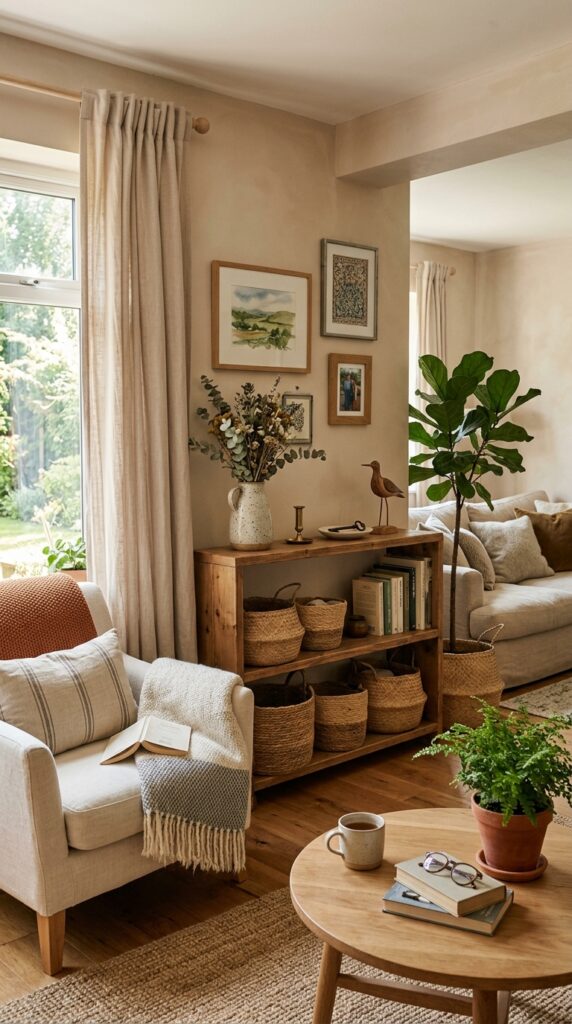
Your surroundings can support graceful habits by reducing daily friction. A clear entryway, warm lamp, fresh towel, and comfortable chair make it easier to move through routines without constant searching or visual noise.
Reset one visible surface each evening and keep frequently used items near where they belong. Use trays, hooks, baskets, and drawer dividers only when they solve a real problem. A lot of people buy organizers before removing unused belongings. Declutter first, then measure the available space. Small storage pieces may cost between $10 and $40. Repurposed containers can work for free.
16. Become More Graceful and Elegant by Practicing Gratitude
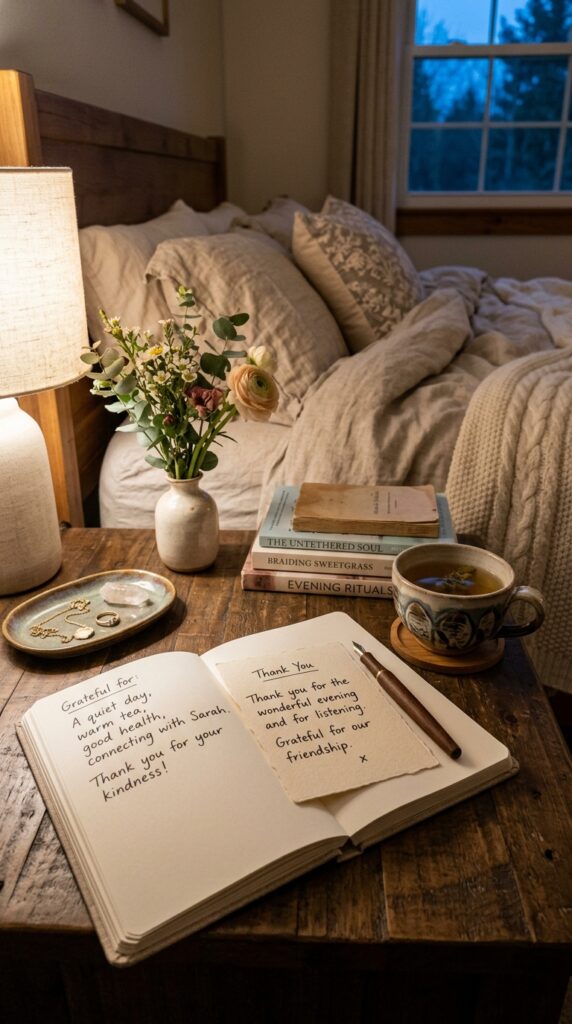
Gratitude can soften the way you respond to everyday life. It may appear in a sincere thank you, a written note, or taking better care of something you already own. This does not mean ignoring disappointment or pretending every situation is pleasant.
Write one specific thing you appreciated at the end of the day. Thank people by name when they help you, and describe what their effort meant. I always recommend this when someone wants a meaningful change that does not require new clothing or products. Avoid using gratitude to excuse disrespect or avoid necessary conversations. A small journal may cost between $8 and $25, while spoken thanks are free.
Build Grace and Elegance Through Daily Practice
Grace and elegance are not limited to a certain age, income, body shape, or personality. They often grow through small decisions that show care for yourself and the people around you. Listening well, arriving prepared, caring for your clothes, and speaking clearly can leave a stronger impression than an expensive outfit.
These 16 ways to become more graceful and elegant are not meant to become another demanding checklist. Choose one or two habits connected to a real challenge. You might work on posture if you feel tense at your desk, prepare your bag at night if mornings feel rushed, or practice a clearer boundary when your schedule becomes too full.
Use what you already own before buying organizers, beauty products, or new clothing. Clean, repair, simplify, and practice. Those actions often create a more polished life than constant shopping.
Which graceful habit would you try first? I’d love to hear what you’re planning.
Frequently Asked Questions
Can anyone learn to become more graceful?
Yes. Grace can be developed through posture, movement, communication, listening, and regular self awareness. You do not need a certain body type or personality. Small repeated habits matter more than natural coordination.
How can I look more elegant on a small budget?
Wear clean clothing that fits your real routine and care for what you already own. Repair loose buttons, remove lint, clean shoes, and choose simple outfit combinations. Good grooming and calm behavior cost little or nothing.
How can I speak more gracefully?
Slow your pace slightly and finish your sentences clearly. Listen before responding and avoid insulting language during disagreements. Simple, respectful wording usually sounds more composed than complicated vocabulary.
What is the difference between grace and elegance?
Grace often refers to movement, kindness, composure, and the way you treat others. Elegance can include appearance, behavior, and simplicity. The two overlap when your outer choices reflect calmness and consideration.
Which graceful habit should I begin with?
Start with the habit connected to your biggest daily frustration. Work on punctuality if you often rush, or practice boundaries if your schedule feels overloaded. One useful change is easier to maintain than attempting all sixteen at once.