16 Self-Care Ideas for Introverts Who Need Quiet Time
Some days leave you feeling as though every conversation, notification, and small request has taken a piece of your energy. Even enjoyable plans can become tiring when you have had little time alone. By evening, you may want quiet but have no idea how to use it in a way that actually feels restorative.
These self-care ideas for introverts who need quiet time focus on gentle activities that reduce noise, decisions, and social pressure. They do not require a long routine, an expensive purchase, or a beautifully organized home. Most can fit into an ordinary evening, lunch break, or slow weekend morning.
You will find cozy home rituals, simple decluttering tips, creative activities, and practical ways to protect your personal time. Some ideas take ten minutes, while others can shape a peaceful afternoon. Choose the one that matches your energy today. Quiet self care should feel like space to breathe, not another list you have to finish.
1. Self-Care Idea for Introverts: Build a Quiet Corner
A quiet corner gives you one reliable place to recover after a busy day. It could be a chair beside a window, one side of the sofa, or a cushioned spot near your bed. Soft cotton, warm light, natural wood, and a small stack of books can make the area feel separate from the noise of the rest of the home.
Start by clearing only the space you plan to use. Add one cushion, a textured throw, a lamp, and a small surface for tea or water. In my experience, the biggest mistake here is turning the project into a full room makeover. You need comfort, not another decorating task. Use items you already own, or spend around $15 to $50 on a warm bulb, woven basket, or supportive cushion.
2. Schedule One No Conversation Hour
A no conversation hour creates a clear boundary between social time and recovery time. During that hour, you do not answer casual calls, continue group chats, or explain how your day went. The quiet can feel like closing a door after standing in a crowded room, giving your thoughts space to settle.
Choose a time that fits your routine, such as the first hour after work or the final hour before dinner. Let anyone you live with know that you need a short period alone and will reconnect afterward. Keep the message simple rather than apologetic. Avoid using the hour to catch up on messages, since that keeps you socially engaged. This activity costs nothing. A small door sign or paper reminder can help if your household often forgets the boundary.
3. Create a Slow Tea or Coffee Ritual
Preparing a warm drink gives your hands a simple sequence to follow. The sound of water pouring, the scent of tea leaves, and the warmth of a ceramic mug can help your mind shift away from conversation and responsibility. The ritual feels especially comforting on a quiet morning or after returning home.
Choose one drink you already enjoy and prepare it without rushing. Sit somewhere comfortable while you finish it instead of carrying the mug through several chores. What I personally love about this is how easily it marks the beginning of personal time. Avoid scrolling while you drink, since the extra information can interrupt the quiet. One serving may cost less than $2. A favorite mug, small tray, or tea tin may cost around $5 to $25.
4. Take a Solo Walk Without a Podcast
A quiet walk lets you leave the house without taking more voices with you. Without music, a podcast, or a phone call, you can notice the sound of your steps, shifting leaves, distant traffic, and changes in the air. This can feel refreshing after hours of listening and responding to other people.
Choose a familiar route that feels safe and takes ten to thirty minutes. Keep your phone available for emergencies, but place it on silent and out of sight. Wear comfortable shoes and simple layers so the walk does not require much preparation. Avoid turning it into a fitness target or tracking every step. The purpose is quiet movement. This activity is free, though a reusable water bottle or light walking layer may cost $10 to $35.
5. Quiet-Time Self-Care With a Warm Shower
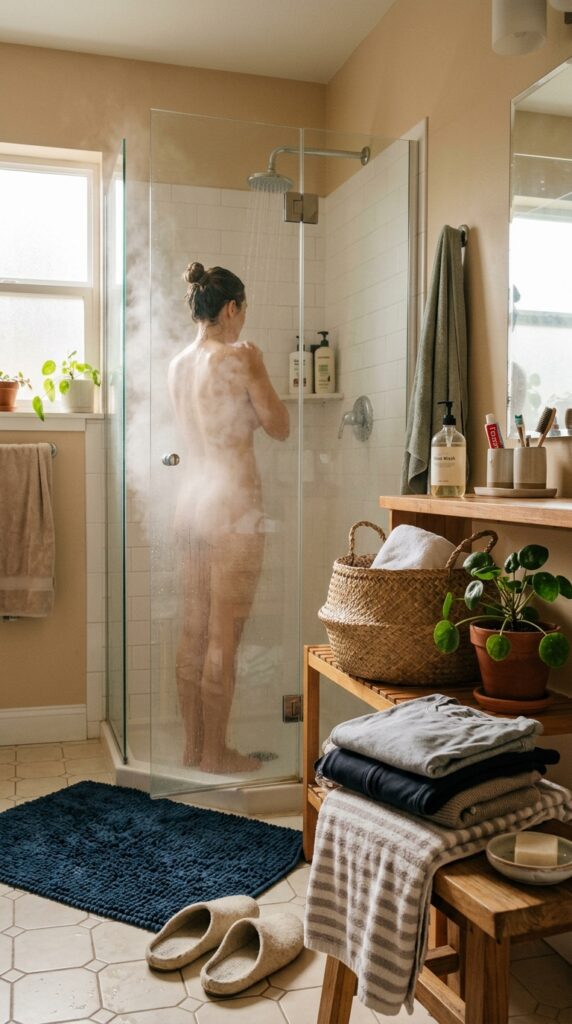
A warm shower creates a temporary wall between you and the rest of the day. The steady sound of water can soften outside noise, while clean skin and fresh cotton clothes bring a simple feeling of renewal. You do not need a long beauty routine for the experience to feel restorative.
Place your towel and comfortable clothes within reach before you begin. Use warm water and one familiar body wash or shampoo. Take your time with one step rather than adding several treatments. A lot of people skip preparing their clothes first, but it makes all the difference when energy is low. Avoid very hot water, which may leave your skin feeling dry. Use what you own, or spend $5 to $25 on a soft towel, shower cap, or gentle body wash.
6. Reset One Small Surface
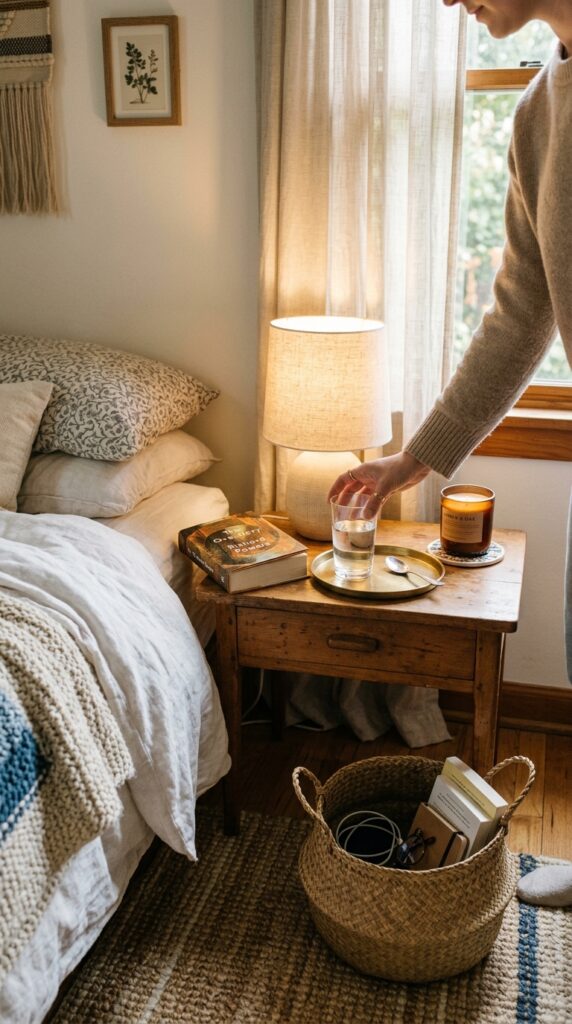
A crowded room can make quiet time feel less restful because your eyes keep noticing unfinished tasks. Clearing one bedside table, desk corner, or bathroom shelf creates a small area of visual calm. The clean surface lets warm wood, a lamp, or folded linen stand out instead of disappearing beneath clutter.
Choose an area no larger than a serving tray. Throw away rubbish, return obvious items to their places, and put uncertain objects into one basket for later. Stop when that surface is clear. Do not expand the task into a full decluttering session. I always recommend this when someone wants a change without starting over. A small basket, tray, or drawer divider may cost $8 to $30, but a spare box works just as well.
7. Listen to Instrumental Music in Low Light
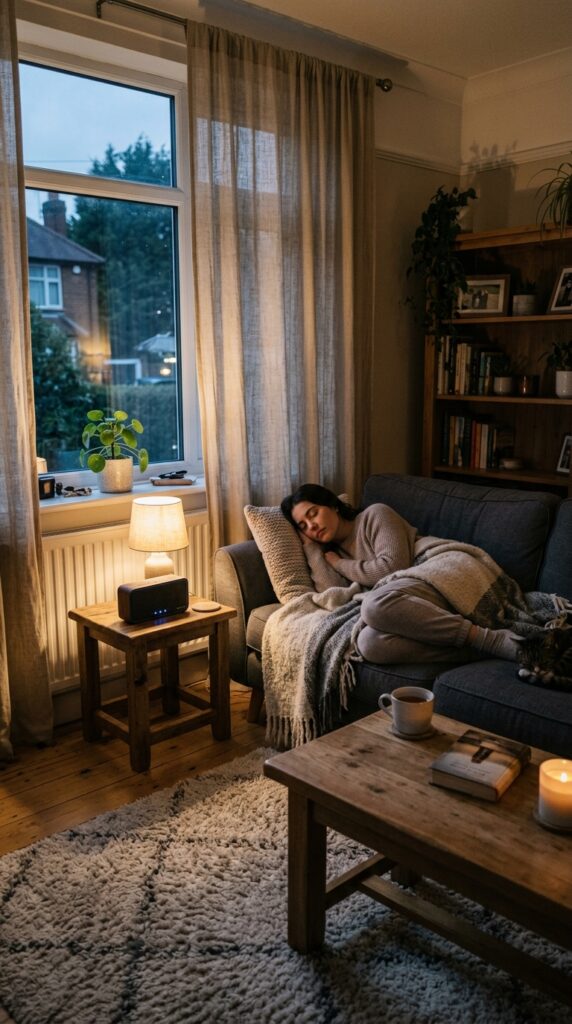
Instrumental music can fill a room without asking you to follow a story, respond to a voice, or absorb more information. Soft piano, ambient sound, classical music, or gentle nature recordings can create a calm background while you rest, stretch, or sit near a window.
Choose one album or playlist before settling down so you do not spend the next twenty minutes searching. Lower the lights and keep the volume quiet enough that the room still feels peaceful. Avoid songs that remind you of stressful periods or demand your full attention. A free music service works well, though advertisements may interrupt the mood. A small speaker or warm lamp may cost $15 to $50 if you want a simple listening corner.
8. Read Something That Does Not Feel Like Work
Reading can offer quiet company without the pressure of conversation. A gentle novel, familiar essay, poetry collection, or illustrated magazine can help your attention settle into one place. Choose something that feels comforting rather than educational if you have spent the day processing information.
Set a small goal, such as ten pages or fifteen minutes. Sit in a supportive chair and keep water nearby. Re-reading a favorite book is completely acceptable because the familiar story requires less mental effort. Avoid choosing a difficult title because you think your quiet time should be productive. Borrowing from a library keeps the activity free. A secondhand book may cost $3 to $12, while a soft reading pillow may cost $15 to $35.

9. Journal Without Trying to Solve Anything
Journaling can give private thoughts somewhere to land after a day of conversation. The page does not interrupt, misunderstand, or expect a polished explanation. You can write about what felt tiring, what you noticed, or what you wish you had more space for.
Set a timer for five or ten minutes and write without editing. You do not need prompts, neat handwriting, or a conclusion. Try beginning with, “Today felt…” and continue from there. Avoid turning the entry into another task list unless planning genuinely helps you feel calmer. The aim is expression rather than solving every issue. A notebook may cost $3 to $15, though scrap paper works too. Store it somewhere private so you can write honestly.

10. Creative Self-Care for Introverts
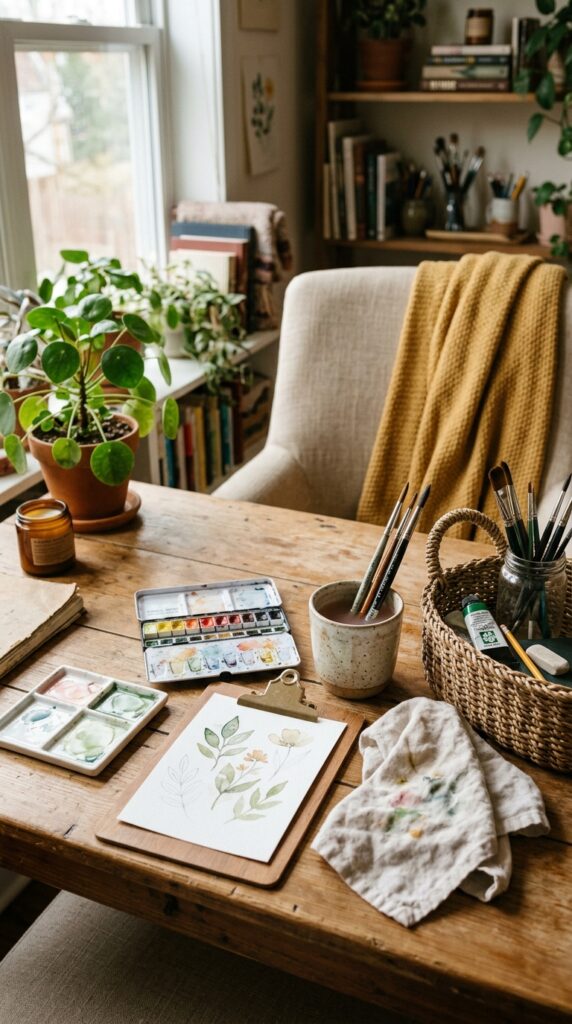
A quiet creative activity can absorb your attention without requiring conversation. Watercolor painting, coloring, knitting, collage, simple photography, or arranging flowers gives your hands something steady to do. The result does not need to be useful or shared online.
Choose a project that can be started and stopped easily. Keep the supplies in one basket so setup takes less than five minutes. What I personally love about this is that repetition often feels more relaxing than trying to produce impressive work. Avoid buying a large set of supplies before you know whether you enjoy the activity. A basic coloring book and pencils may cost $8 to $20, while a beginner watercolor or knitting kit may cost $15 to $40.
11. Eat One Meal in Complete Quiet
Meals often happen beside messages, videos, work, or conversation. Eating one meal in quiet gives your senses a break and helps you notice warmth, texture, and flavor more clearly. A simple bowl of soup, toast, fruit, or pasta can feel comforting when there is no pressure to entertain yourself.
Choose an easy meal and place it at a clear section of the table. Put your phone in another room and turn off the television. You do not need candles or special dishes unless they genuinely help. Avoid preparing a complicated recipe, since too many steps may use the energy you are trying to restore. A simple meal may cost $3 to $10. Use a cloth napkin, ceramic bowl, or small tray you already own to make the moment feel cared for.

12. Visit a Library or Quiet Café Alone
Sometimes you need solitude without staying inside your own home. A library or calm café offers a change of setting while allowing you to remain mostly private. The low hum of pages turning, cups being set down, or distant conversation can feel less demanding than direct social interaction.
Choose a familiar place during a quieter time of day. Bring one book, notebook, or simple task so you do not feel pressure to fill every minute. Sit near a wall or window if that helps you feel more settled. Avoid choosing a crowded location just because it looks attractive online. A library visit is free. A café drink may cost $3 to $8, making this an affordable change of scenery.

13. Prepare a Gentle Bedtime Routine
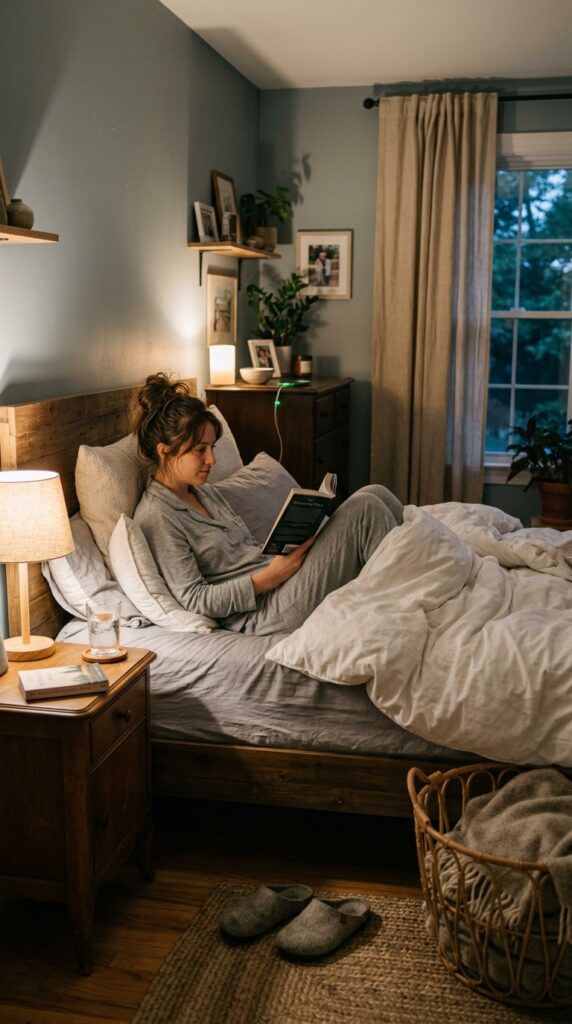
Introverts often need time to process the day after social plans end. Going directly from messages and conversation to sleep may leave your mind feeling crowded. A gentle bedtime routine gives you a quieter landing through fresh cotton bedding, dim light, and familiar steps.
Choose three simple actions, such as charging your phone across the room, washing your face, and reading two pages. Lower the lights about thirty minutes before bed. Keep the routine short enough that you can follow it even after a tiring day. Avoid creating a long checklist that makes bedtime feel like another responsibility. Use what you already have, or spend $10 to $35 on a warm bulb, bedside basket, eye mask, or comfortable pillowcase.
14. Decline One Plan Without Overexplaining
Protecting quiet time sometimes means saying no before you are completely drained. Declining one optional plan can create an open evening where you do not have to travel, make conversation, or stay alert longer than your energy allows.
Reply clearly and kindly. You might say, “Thank you for inviting me, but I need a quiet evening at home.” You do not need to provide a long reason or create an excuse. Offer another date only when you truly want to meet later. In my experience, the biggest mistake here is cancelling from exhaustion after saying yes from guilt. Check your energy before agreeing. This activity costs nothing and may protect several hours of needed recovery.

15. Make a Small Sensory Comfort Basket
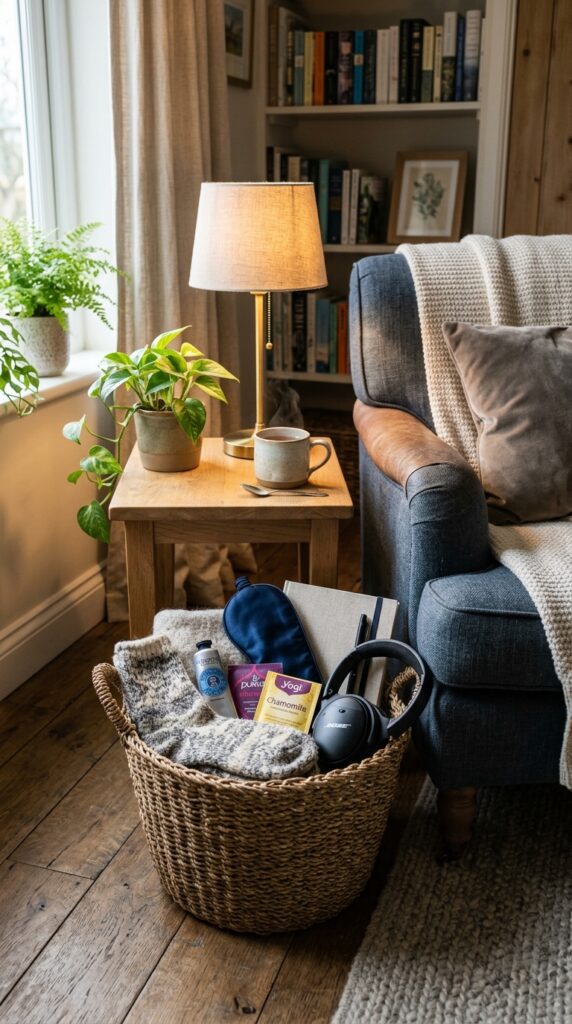
A comfort basket keeps quiet, soothing items together so you do not need to search for them when your energy is low. Soft socks, hand cream, tea, an eye mask, a notebook, and headphones can turn an ordinary corner into a useful personal retreat.
Choose a basket small enough to carry from the bedroom to the sofa. Add only items you already use and enjoy. Small space storage works best when every object has a clear purpose. Avoid filling the basket with products bought for an imagined routine. The goal is easy access, not more clutter. Use a spare container for free, or spend $10 to $35 on a woven basket and one or two comfort items.
16. Plan a Gentle Quiet-Time Reset Day
A quiet reset day gives you a longer stretch without social pressure or a packed schedule. It may include a slow breakfast, clean clothes, reading, a short walk, and an early night. The day should feel spacious, with enough room to change your mind.
Choose two or three activities rather than planning every hour. Complete any urgent errands beforehand and let close contacts know you will be less available. Leave gaps between activities so the day does not become another schedule to manage. A lot of people plan too many relaxing tasks, which defeats the purpose. Keep food simple and use items already at home. The day can cost nothing, or around $10 to $30 if you include a favorite meal, flowers, or a new book.

Final Thoughts on Self-Care Ideas for Introverts
Quiet time is not something you need to earn by becoming completely exhausted first. It can be part of your regular routine, especially when work, family, errands, and social plans leave little room to process your own thoughts.
Start with one or two self-care ideas for introverts who need quiet time. You might create a no conversation hour and prepare a warm drink. Another day, a solo walk or quiet meal may feel more supportive. The activity can change depending on your energy, home, and schedule.
You do not need an expensive retreat or a beautifully styled room. A comfortable chair, an unread message left for later, or ten minutes without another voice may be enough to help you feel more like yourself. Protecting your energy does not mean avoiding every relationship. It means giving yourself room to return to those relationships with more patience and presence.
Which quiet self-care idea would you try first? I’d love to hear what you’re planning.
How much alone time does an introvert need?
There is no set amount that works for everyone. Some people feel restored after twenty quiet minutes, while others need a free evening or slower weekend. Pay attention to when conversation begins to feel tiring or your focus becomes scattered. Use those signals to plan time alone before you feel completely drained.
Is needing quiet time the same as being antisocial?
No. Wanting quiet time does not mean you dislike people or relationships. Introverts may enjoy social connection but need solitude afterward to recover their energy. Healthy quiet time can help you return to others feeling calmer and more present.
What is the easiest self-care activity for introverts?
Start with an activity that removes stimulation rather than adding another task. Put your phone away, sit in a quiet corner, or drink something warm without watching a screen. Ten minutes can be enough to create a useful pause. Choose the option that requires the least preparation.
How can introverts get quiet time in a busy household?
Communicate a clear time boundary and choose a repeatable location. You might ask for thirty uninterrupted minutes after work or use headphones while sitting in a bedroom corner. A closed door, small sign, or agreed household routine can reduce interruptions. Keep the request specific so others understand when you will be available again.
Can too much alone time become unhealthy?
Quiet time can be restorative, but long periods of unwanted isolation may leave you feeling disconnected or low. Notice whether solitude helps you feel steadier or makes daily life harder. If you are withdrawing because of persistent fear, sadness, or distress, consider speaking with someone you trust or a qualified health professional.