
17 Soft Life Ideas for a Calmer and More Intentional Routine
Life can start to feel heavy when every day is filled with rushed mornings, unanswered messages, cluttered rooms, and a schedule that leaves little space to breathe. You may want a slower rhythm, but the polished routines you see online can make softness look expensive or unrealistic.
These 17 soft life ideas for a calmer and more intentional routine focus on practical changes rather than constant luxury. A soft life can include protecting your time, simplifying your home, wearing comfortable clothes, preparing nourishing meals, and leaving room for rest. It is not about avoiding every responsibility. It is about handling your responsibilities without adding unnecessary pressure.
Each idea includes a realistic way to begin, one mistake to avoid, and an approximate cost where useful. Some habits take only five minutes, while others may require gradual changes to your schedule or surroundings. Start with one or two ideas that solve a problem you currently face. A calmer routine often grows from small choices repeated regularly, not from rebuilding your entire life in one weekend.
1. Start Your Soft Life Routine With a Slower Morning
A softer morning begins before notifications, chores, and other people’s needs take over your attention. Opening the curtains, drinking water, and sitting for a few quiet minutes can make the room feel calmer. Warm light across fresh cotton bedding and a clear bedside table creates a gentler setting for the first part of your day.
Give yourself ten screen free minutes after waking. Use that time to stretch, make the bed, or enjoy a warm drink. In my experience, the biggest mistake is creating a complicated one hour routine that becomes impossible on busy weekdays. Build a short version you can repeat even when time is limited. This habit can cost nothing. A simple alarm clock may cost between $10 and $30 if keeping your phone across the room helps you avoid early scrolling.
2. Protect White Space in Your Schedule
A calendar filled from morning to night can make even enjoyable activities feel exhausting. White space gives you room to travel, eat, rest, and deal with small delays without feeling that the whole day has fallen apart. A quiet hour between plans can feel as comforting as a soft chair beside a sunny window.
Look at the coming week and leave at least one open block where possible. Avoid scheduling appointments directly beside one another unless travel and preparation are simple. What I personally love about this habit is that it reduces rushing without requiring you to cancel everything. A common mistake is treating every free hour as unused time that needs to be filled. A paper planner may cost between $10 and $35, while a digital calendar is free.
3. Create One Calm Corner at Home
You do not need to redecorate your whole home to create a place that feels restful. One chair, a small table, soft light, and a basket for books or blankets can become a quiet corner for reading, tea, journaling, or simply sitting without a screen.
Choose a spot near a window or lamp and remove anything that does not support the way you want to use it. Add one cushion, a textured throw, and a surface for a drink. A lot of people overcrowd these corners with decorative objects and leave no room for actual use. Keep the styling simple and personal. You may be able to rearrange items you already own for free. A lamp, cushion cover, or thrifted side table may cost between $15 and $70.
4. Reduce the Visual Clutter You See Every Day
Crowded counters, overflowing chairs, and scattered products can make your home feel busy even when you are trying to rest. Clearing one visible area creates cleaner lines and makes daily tasks easier. Natural wood, folded linen, and a few useful objects often feel warmer than a surface covered with decorations.
Begin with the bedside table, vanity, or kitchen counter. Remove rubbish, return misplaced items, and place daily products together on one tray. In my experience, the biggest mistake is buying organizers before deciding what needs to stay. Declutter first, then measure the drawer or shelf. Small baskets, trays, or drawer dividers usually cost between $8 and $40. Repurposed boxes and glass jars can provide a budget friendly swap.
5. Use Soft Life Ideas to Make Meals Easier
A calmer food routine does not require cooking a new recipe every night. A few reliable meals, washed produce, and prepared ingredients can make the kitchen feel supportive rather than stressful. A bowl of fruit, chopped vegetables, and a pot of soup can bring warmth and color to an ordinary week.
Choose three simple breakfasts, three lunches, and several dinners you already enjoy. Keep the ingredients on a written list and prepare one or two basics ahead of time. A lot of people plan complicated meals that require unfamiliar ingredients, then order food because they feel tired. Build around what you genuinely eat. Storage containers may cost between $15 and $50, while a weekly grocery budget depends on your household and location. Reusing jars and containers can reduce setup costs.
6. Wear Clothes That Feel Good on Your Body
Softness in daily life includes clothing that allows you to move, sit, walk, and work comfortably. Linen shirts, cotton dresses, soft denim, relaxed trousers, and lightweight knitwear can look polished without pinching or constant adjustment. A calm wardrobe is built around what you actually wear.
Create several outfit formulas for your usual week. You might pair straight trousers with a cotton blouse, or wear a simple dress with a cardigan and flat shoes. Check fabric, fit, and weather before focusing on trends. What I personally love about this approach is that it reduces morning decisions. Avoid keeping uncomfortable clothes because you hope they will suit a future version of your life. Alterations may cost between $15 and $60, while a fabric shaver can refresh knitwear for about $15 to $30.
7. Build a Gentle Evening Reset
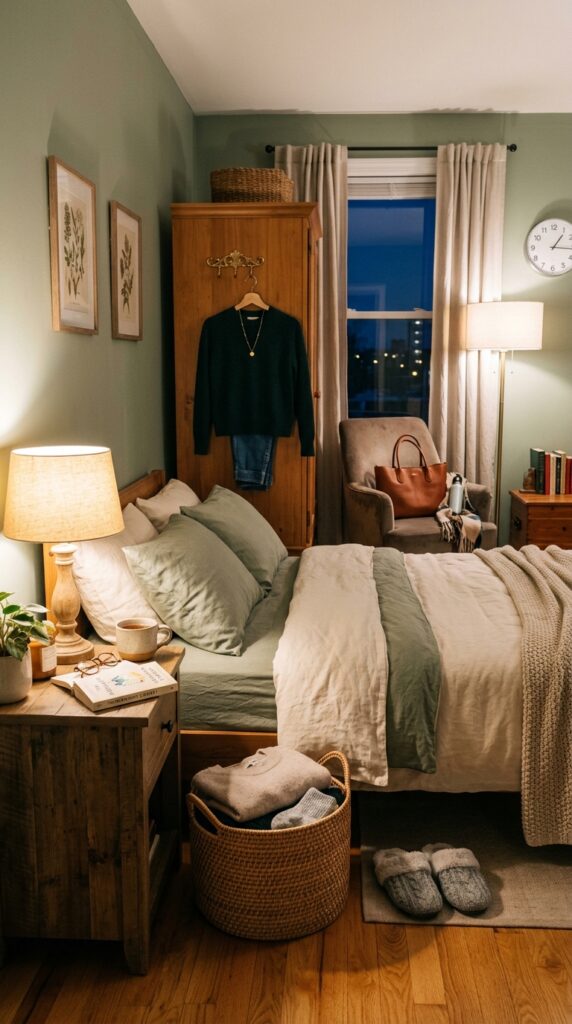
A short evening reset can prevent tomorrow from beginning with yesterday’s mess. Clearing the kitchen table, placing clothes in a basket, and preparing your bag creates a quiet sense of completion. Warm lamp light and fresh sleepwear can help signal that the active part of the day is ending.
Set a timer for ten minutes and focus only on the areas that affect your morning. Put dishes away, clear one surface, choose tomorrow’s clothes, and charge essential devices. A common mistake is turning the reset into a late night cleaning session. Stop when the timer ends and leave deeper tasks for another day. This habit is free. A laundry basket, entryway tray, or over door hook may cost between $10 and $40.
8. Say No Before You Become Resentful
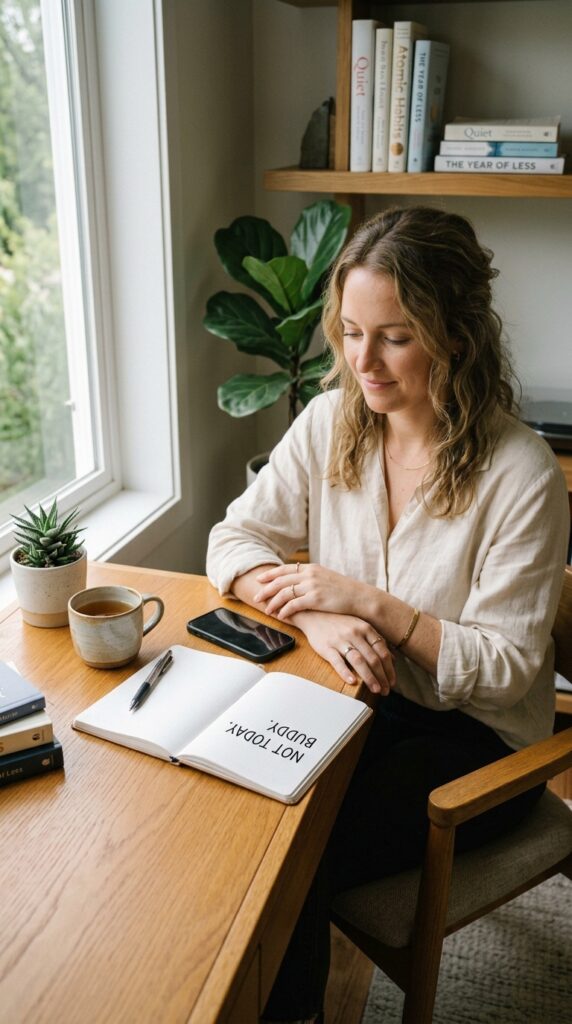
A soft routine depends on having enough time and energy for your own responsibilities. Agreeing to every invitation, request, or favor can leave you frustrated with people who may not realize you are overwhelmed. A calm no protects both your schedule and your relationships.
Use short, respectful language such as, “I cannot commit to that,” or, “I am not available this week.” You do not need to provide a long explanation. In my experience, the biggest mistake is waiting until exhaustion turns into anger before setting a boundary. Practice with smaller requests and give yourself time before answering. This habit costs nothing. A notebook for writing and rehearsing clear responses may cost between $8 and $20.
9. Choose Low Pressure Movement
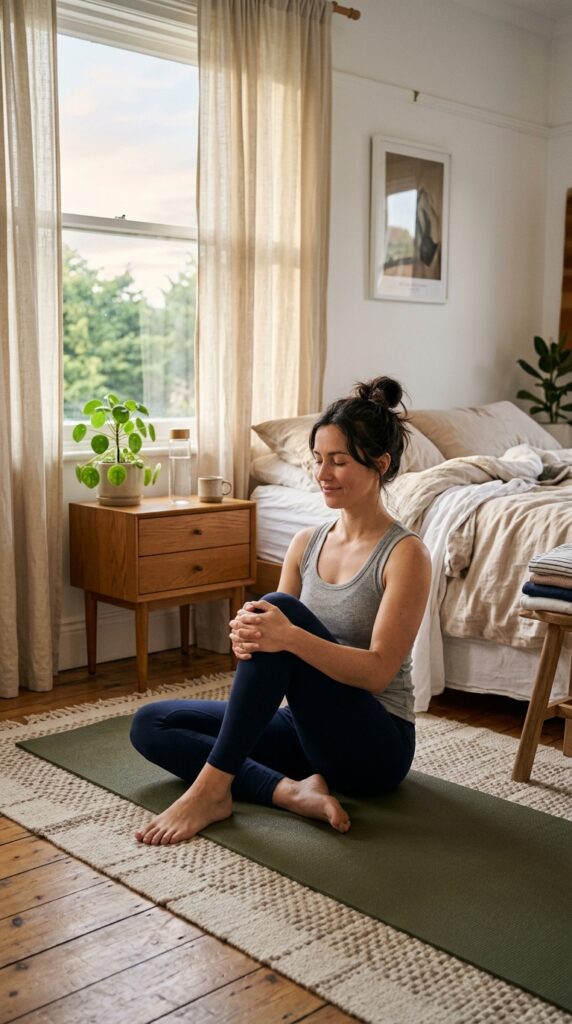
Movement can support your day without becoming another source of stress. A walk, gentle stretch, dance session, or quiet yoga practice can help you reconnect with your body. Soft cotton activewear, fresh air, and a steady pace often feel more inviting than forcing yourself through exercise you dislike.
Choose an activity that matches your current energy and schedule. Begin with ten to twenty minutes and build gradually. What I personally love about low pressure movement is that it can change with the season. You might walk outdoors in mild weather and stretch beside the bed on a rainy day. Avoid comparing your routine with someone else’s training plan. Comfortable walking shoes may cost between $40 and $120, while a basic exercise mat usually costs $15 to $40.
10. Make Rest Part of the Plan
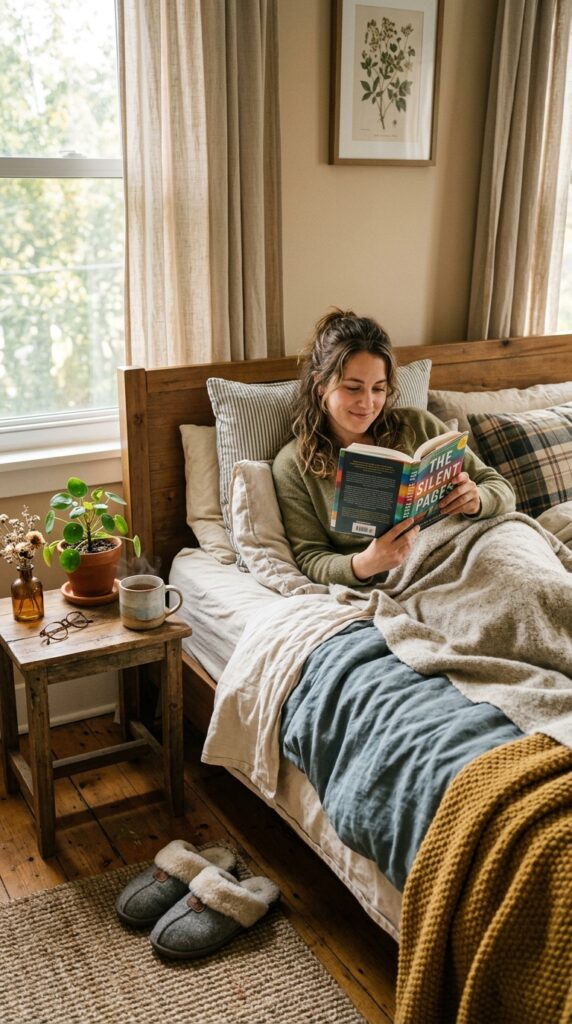
Rest is easier to protect when it appears in your schedule before you feel exhausted. A quiet evening, a longer lunch break, or an unhurried weekend morning can give your body and mind space to recover. Rest does not need to produce a beautiful photo or lead to a useful result.
Choose one regular period each week for low demand time. Keep meals simple, reduce notifications, and avoid filling the space with delayed chores. A lot of people save rest for the moment when everything else is finished, but there will nearly always be another task. Give rest its own place. This habit can be free. Fresh pillowcases, a comfortable throw, or a library book may cost between $10 and $40 if you want to make the time feel more inviting.
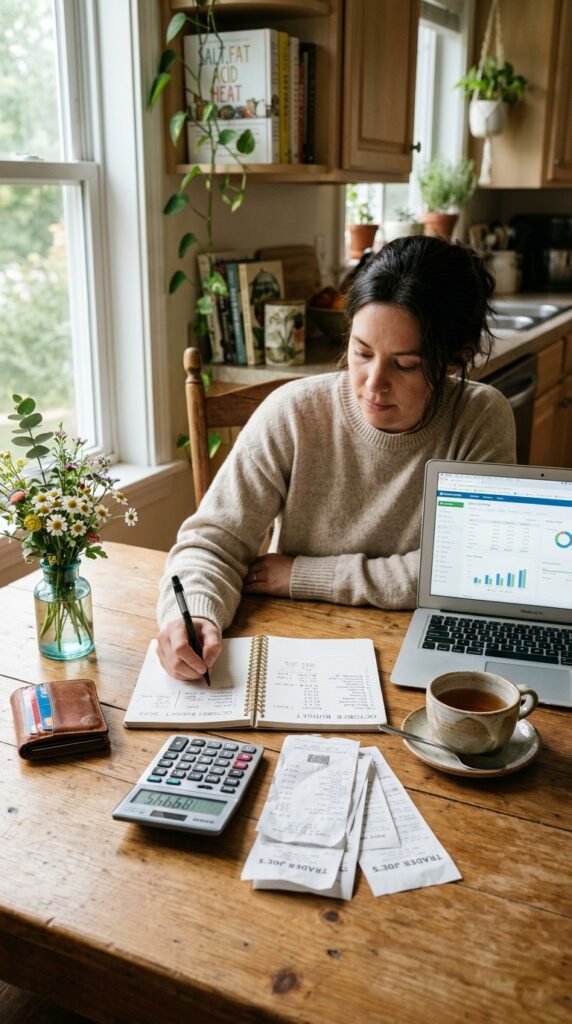
11. Create a Soft Life Budget That Reduces Stress
Financial calm often comes from knowing what your money needs to cover. A simple budget can help you plan for bills, groceries, savings, and small pleasures without checking your balance with fear. The goal is not to remove every enjoyable purchase. It is to make spending more predictable.
Write down your regular income and essential expenses, then choose a realistic amount for flexible spending. Review subscriptions and set aside something for irregular costs such as repairs or gifts. In my experience, the biggest mistake is creating a budget so strict that it cannot survive a normal week. Leave room for small changes. A paper budget notebook may cost between $8 and $20, while spreadsheet templates and many phone tools are free.
12. Keep Your Phone From Filling Every Quiet Moment
Constant scrolling can make short pauses feel restless instead of restorative. Standing in line, drinking tea, or waiting for an appointment becomes another opportunity to absorb messages and content. Leaving some of those moments empty can help your attention settle.
Choose one daily phone free area or activity. This might be the dining table, bedroom, morning drink, or evening shower routine. Move distracting apps away from the home screen and turn off notifications that do not require immediate attention. A lot of people rely only on discipline while keeping every alert active. Change the environment as well as the habit. This step is free. A basic alarm clock or small charging tray may cost between $10 and $30.
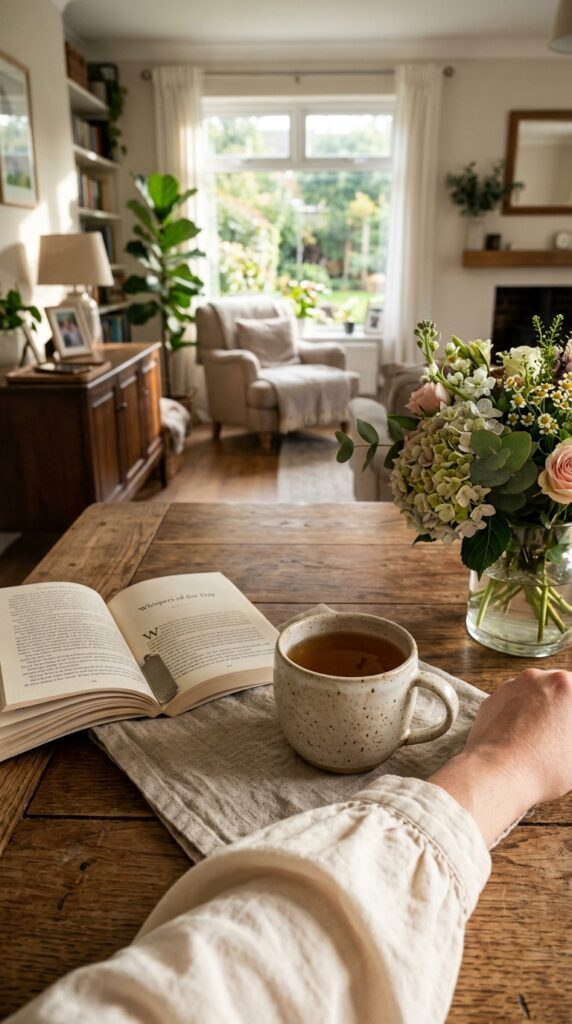
13. Maintain Fewer Things With More Care
Owning fewer clothes, beauty products, decorations, or kitchen tools can make daily care easier. A well maintained handbag, clean pair of shoes, and neatly folded sweater may feel more satisfying than a crowded closet filled with neglected items.
Choose one category and remove what is damaged, unused, or no longer suited to your life. Clean and repair what remains. Follow garment care labels, polish shoes, and sew loose buttons before the damage grows. What I personally love about this habit is that it supports both closet organization and a calmer budget. Avoid replacing everything at once in the name of simplicity. A basic sewing kit, fabric shaver, and shoe brush may cost between $20 and $50.

14. Add Small Pleasures to Ordinary Days
A soft life does not need to depend on holidays or large purchases. Fresh flowers from the market, a favorite mug, music while cooking, or clean sheets on a weekday can make familiar routines feel warmer. These details work best when they fit naturally into your home and budget.
Choose one small pleasure each week and enjoy it without turning it into a shopping habit. Cut greenery from your garden, borrow a book, light a candle while you fold laundry, or prepare a drink you already own. A common mistake is believing every comforting moment requires buying something new. Many useful pleasures are free. A small bunch of flowers, candle, or bakery treat may cost between $5 and $20.
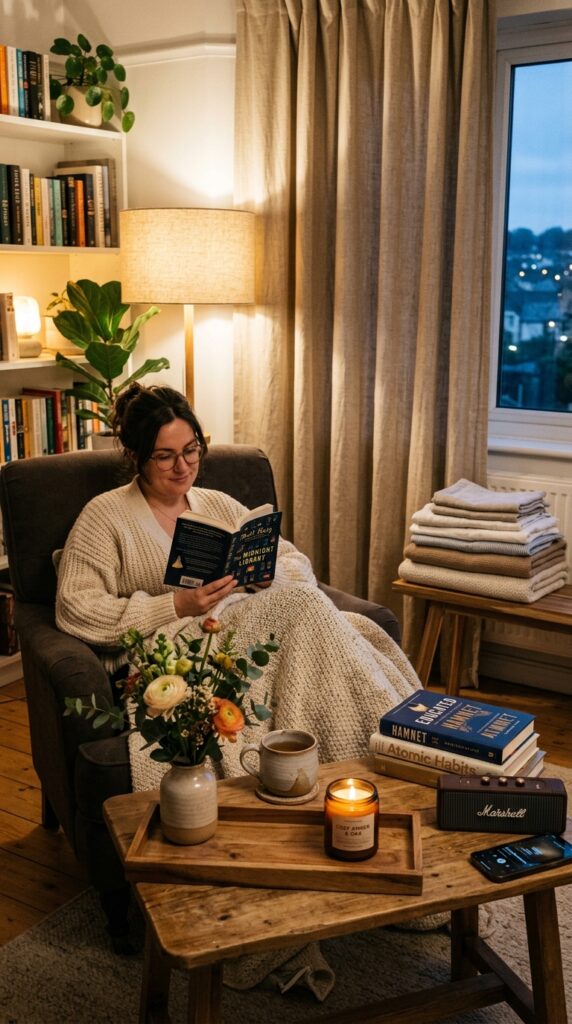
15. Spend More Time With People Who Feel Safe
The people around you affect how calm or guarded you feel. Supportive relationships allow space for honest conversation, laughter, silence, and changing plans without constant judgment. A simple tea at home can feel more nourishing than a crowded event where you cannot relax.
Notice which relationships leave you feeling respected and which repeatedly leave you anxious or depleted. Make time for the people who listen, keep confidence, and accept clear boundaries. In my experience, the biggest mistake is measuring friendship only by how often you meet. Quality and trust matter more than constant contact. Hosting tea at home may cost between $5 and $20, while a walk or phone call can be free.

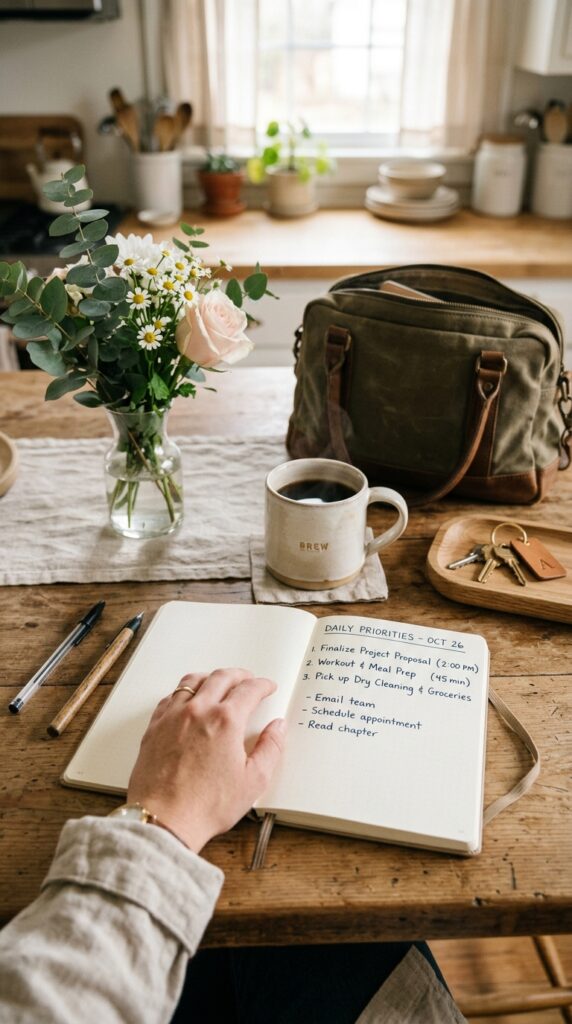
16. Keep a Short List of What Matters Today
A long task list can make the day feel unsuccessful before it begins. Choosing a few priorities creates direction while leaving room for meals, travel, and unexpected needs. A clear page with three meaningful tasks often feels calmer than a crowded planner.
Write one important responsibility, one smaller practical task, and one personal action. Complete those before adding more. A lot of people move unfinished items from one long list to another and carry the guilt into the next day. Review whether each task still matters before rewriting it. This habit is free, though a planner or notepad may cost between $8 and $30. I always recommend this when someone wants a calmer routine without rebuilding the entire schedule.
17. Let Soft Life Ideas Change With Your Season
Your needs will change with work, health, family duties, weather, and energy. A soft routine during a busy month may mean prepared meals and an early bedtime. During a quieter season, it may include longer walks, creative hobbies, or more time with friends. Flexibility keeps the routine supportive.
Review your habits every few months and ask which ones still help. Keep what works, simplify what feels heavy, and release routines that belonged to a different season. What I personally love about this approach is that it removes the pressure to maintain one fixed lifestyle forever. Avoid viewing change as failure. Your routine should respond to your real life. A seasonal review costs nothing, though a notebook, storage basket, or small home update may cost between $10 and $50 when it solves a genuine need.
Build a Softer Routine Without Rebuilding Your Whole Life
A calmer life does not require an expensive home, a completely open schedule, or a wardrobe filled with new clothes. It often begins with practical changes that reduce daily pressure. Clearing one surface, protecting an hour in your calendar, or preparing tomorrow’s outfit can make an ordinary week feel more manageable.
These 17 soft life ideas for a calmer and more intentional routine are meant to support your real responsibilities. Start with one or two ideas connected to your biggest source of stress. If mornings feel rushed, prepare your bag and clothes at night. If your home feels busy, clear one visible area rather than reorganizing every room.
Use what you already own before buying new products, furniture, organizers, or clothing. A washed blanket, cleared tray, simple meal plan, and free afternoon can create more comfort than constant shopping.
Which soft life idea would you try first? I’d love to hear what you’re planning.
Frequently Asked Questions
What does a soft life mean?
A soft life usually means reducing avoidable stress and creating routines that support rest, comfort, boundaries, and stability. It does not mean ignoring responsibilities or expecting life to remain easy. The focus is on handling daily life with less unnecessary pressure.
Can I create a soft life on a small budget?
Yes. Many useful changes cost nothing, including setting boundaries, reducing phone use, leaving space in your schedule, resting, and clearing clutter. Use items you already own before buying new decor, clothing, or organizers.
How do I start a softer daily routine?
Choose one repeated problem and make one small change. Prepare breakfast ingredients if mornings feel chaotic, or clear the bedside table if your room feels visually busy. Keep the first habit simple enough to repeat during a demanding week.
Is a soft life the same as avoiding hard work?
No. A softer routine can include work, caregiving, study, and financial responsibility. The difference is that you reduce habits, commitments, and clutter that create extra strain without adding meaningful value.
How can I maintain soft life habits when I am busy?
Create a shorter version for demanding days. A ten minute room reset, simple meal, or five minute walk still counts. Flexible habits are easier to maintain than routines that only work when you have plenty of free time.